Fire Safety Equipment: What Every Home Should Have
Fire safety is a crucial but often overlooked aspect of home security. While many homeowners invest heavily in locks, surveillance systems, and alarms to deter intruders, they sometimes neglect the potential threat of fire, which can be just as destructive, if not more so. Fire can spread rapidly and unpredictably, often leaving families with little time to respond. That’s why having the right fire safety equipment in your home is not only a smart precaution but a necessary step in ensuring the safety of your loved ones.
Each year, thousands of homes are damaged or destroyed by fires that could have been prevented or minimized through proper domestic fire protection measures. While some fires are unavoidable, the impact they have can be significantly reduced by using life-saving fire equipment. Understanding what tools are essential for home safety and how to use them properly can mean the difference between a minor incident and a devastating loss. This blog will explore the essential home fire safety tools that every household should have and explain their function, purpose, and placement.
Smoke Alarms: The First Line of Defense
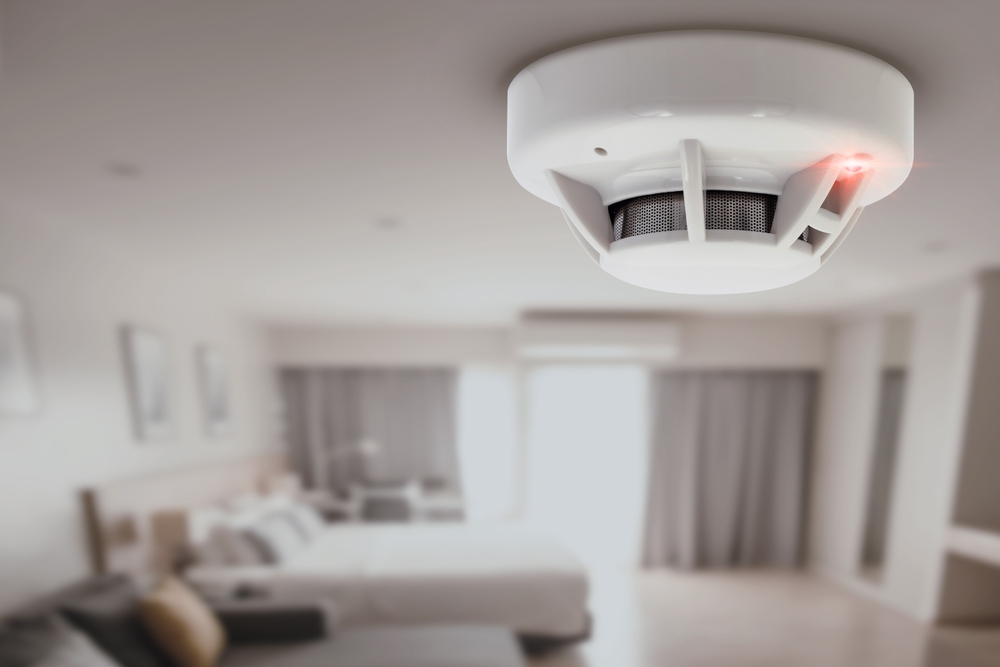
Smoke alarms are arguably the most vital fire safety devices a home can have. They act as an early warning system, detecting smoke before the fire becomes uncontrollable. The National Fire Protection Association recommends installing smoke alarms in every bedroom, outside each sleeping area, and on every level of the home, including the basement. This ensures that everyone has the opportunity to be alerted regardless of where the fire starts.
There are two primary types of smoke alarms: ionization and photoelectric. Ionization alarms are more responsive to flaming fires, while photoelectric alarms are quicker at detecting smoldering fires. Some models combine both technologies for comprehensive coverage. It’s also advisable to opt for interconnected smoke alarms, so when one detects smoke, all alarms in the house sound off. This is particularly useful in larger homes or those with multiple floors.
To ensure your smoke alarms are functioning correctly, test them monthly and change the batteries at least once a year. Many newer models come with sealed, long-life batteries that last up to 10 years. Regardless of the type, a functional smoke alarm is an indispensable part of any domestic fire protection strategy.
Fire Extinguishers: Versatile Life-Saving Fire Equipment
When a fire breaks out, having a fire extinguisher within reach can help contain or even eliminate the threat before it spreads. Fire extinguishers are categorized based on the types of fires they are designed to combat. The most suitable choice for home use is an ABC fire extinguisher, which works on ordinary combustibles (Class A), flammable liquids (Class B), and electrical fires (Class C).
Every home should have at least one multi-purpose fire extinguisher in the kitchen, where most domestic fires originate. Additional units should be placed near potential fire hazards, such as the garage, workshop, or laundry room. It’s essential that household members know how to operate a fire extinguisher. The PASS technique: Pull the pin, Aim the nozzle, Squeeze the handle, and Sweep side to side, is a simple method to remember.
Despite their usefulness, fire extinguishers are not a substitute for calling emergency services. They are meant to address small, contained fires. If a fire is spreading rapidly or is difficult to access, evacuate immediately and alert the fire department. Nonetheless, as part of your essential home fire safety tools, fire extinguishers are a practical line of defense.
Fire Blankets and Escape Ladders: Underestimated but Essential
Fire blankets are a lesser-known but equally critical component of life-saving fire equipment. Typically made from fire-resistant materials like fiberglass or wool, these blankets are designed to smother small fires by cutting off their oxygen supply. They are particularly effective for kitchen fires involving pots and pans or when a person’s clothing has caught fire. Unlike extinguishers, fire blankets are mess-free and do not leave behind chemical residues, making them ideal for use in areas where cleanliness is a concern.
Escape ladders, on the other hand, are crucial for homes with upper stories. In the event of a fire that blocks your main exit routes, a fire escape ladder can provide a safe alternative way out. Most escape ladders are designed to be stored under a bed or in a closet and can be quickly deployed from a window. It is important to practice using the ladder with your family to ensure everyone knows how to use it during an emergency. Like smoke alarms and extinguishers, these devices are part of a complete domestic fire protection plan.
Home Fire Safety Plans and Regular Drills
While equipment is a vital part of fire safety, having a well-rehearsed fire escape plan is equally important. Knowing how to react when a fire alarm goes off can significantly reduce confusion and panic. A home fire safety plan should include multiple exit routes from each room, a designated meeting spot outside the house, and clear roles for family members, especially for assisting children, elderly relatives, or pets.
Conducting fire drills at least twice a year ensures that everyone in the household is familiar with the plan and knows what to do under pressure. During these drills, simulate different scenarios, such as blocked hallways or staircases, to teach adaptability. Reviewing the plan regularly and updating it as needed, for example, if someone in the home develops mobility issues or if renovations change the layout, is a proactive approach to maintaining a high level of safety.
Including your children in these drills and teaching them about the dangers of fire will help build awareness from a young age. Educational resources, apps, and even child-friendly fire safety videos can make learning both effective and engaging. This behavioral training, combined with essential home fire safety tools, forms a comprehensive protective net around your family.
Smart Fire Safety: Modern Innovations and Maintenance
Technology has introduced a new wave of intelligent fire safety devices. Smart smoke detectors and carbon monoxide alarms can be integrated into home automation systems, sending real-time alerts to your smartphone. This is especially useful when you’re not home, as it allows for immediate action, including calling emergency services or alerting neighbors.
Some smart systems can automatically shut off HVAC units or unlock doors to aid evacuation. Others offer voice alerts, which are proven to be more effective at waking children than traditional alarm sounds. Additionally, smart plugs and sensors can monitor the temperature and electrical load of appliances, reducing the risk of electrical fires.
Despite these advances, maintenance remains a cornerstone of effective fire safety. Inspect all your devices regularly, replace batteries as needed, and ensure that fire extinguishers are not expired. Fire blankets should be inspected for wear or contamination, and escape ladders should be checked for structural integrity. A well-maintained system of life-saving fire equipment offers long-term peace of mind and functionality when it matters most.
Conclusion
Fire safety in the home is not a one-time investment but a continuous responsibility. By equipping your home with essential tools such as smoke alarms, fire extinguishers, fire blankets, and escape ladders, you lay the groundwork for a safer environment. Combining these devices with a solid escape plan, regular drills, and modern smart technologies enhances your preparedness for any emergency.
Understanding and implementing these layers of domestic fire protection significantly improves your ability to respond quickly and effectively during a crisis. In the face of danger, every second counts. Life-saving fire equipment is not just about protecting property; it’s about safeguarding the lives of everyone under your roof. Make fire safety a priority in your household today, and you’ll be investing in a more secure tomorrow.
Need Life Safety Products Near You?
There are various forms of personal protection. We offer fire safety and fire prevention equipment including fire extinguishers, and we service them, too. Business owners throughout Southwest Kansas should know what types of personal protection or fire safety equipment is necessary to suit the needs of their business. Rather than struggling with purchasing decisions, discuss with our consultants from C.F. Fire & Life Safety and let us guide you through the logistics. Based in Liberal, KS, C.F. Fire & Life Safety, is your destination for personal protection, fire safety, fire prevention, and fire extinguisher services throughout Southwest Kansas. Contact us today to learn more about what we can do for you!