Prevention Tips for Common Office Fire Hazards
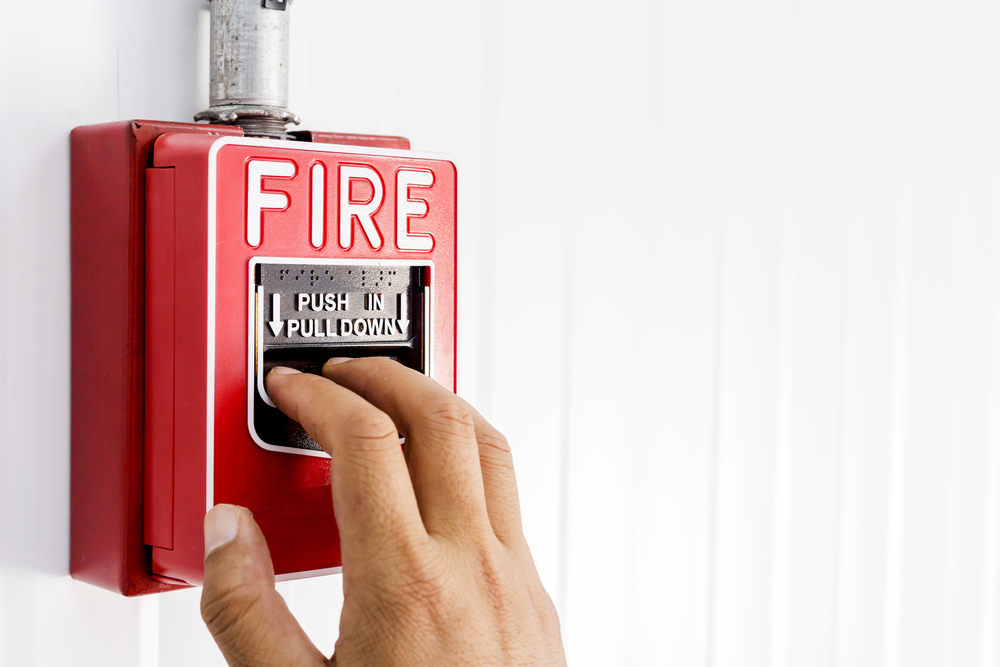
Office buildings, though generally seen as safe environments, are not immune to the threat of fire. From overloaded power strips to neglected kitchen appliances, several everyday office habits and setups can quietly contribute to significant fire risks. Understanding these dangers is not only important for maintaining business continuity, but also essential for safeguarding employee lives and protecting company assets. Taking proactive steps to identify and eliminate fire hazards is a cornerstone of any robust workplace safety plan.
This blog delves into common causes of office fires and offers actionable prevention strategies that can be implemented with minimal disruption. Each section focuses on a key area of risk, paired with expert insights and practical solutions to help ensure your workplace remains safe and compliant with fire safety standards.
Electrical Safety Starts with Awareness
Electricity powers every modern office, but it also presents some of the most common and dangerous fire hazards. Overloaded circuits, damaged cords, or faulty devices can cause overheating and ignite nearby materials. Understanding the basics of electrical safety is essential for both facility managers and everyday staff.
One of the simplest electrical safety tips is to regularly inspect outlets, extension cords, and equipment for signs of wear or damage. Cracked insulation, frayed wires, and scorch marks should never be ignored. Equipment that malfunctions or emits strange smells should be immediately unplugged and assessed by a professional. Offices should also limit the use of extension cords and multi-plug adapters, especially in older buildings where circuits may not be designed to handle high loads.
Another vital step is avoiding daisy-chaining, where multiple extension cords or power strips are connected together. This practice can lead to overheating and should be replaced with surge protectors or permanent electrical installations. Having a licensed electrician evaluate the building’s wiring and perform routine maintenance helps ensure long-term safety and compliance with local codes.
Kitchen Areas Can Be Fire-Prone Zones
The breakroom might be a place to unwind, but it can also be a hotspot for fire hazards if not managed properly. Microwaves, toasters, coffee machines, and other appliances are often left plugged in or misused, increasing the likelihood of an incident. Offices with larger kitchenettes may even include ovens or stovetops, further raising the level of risk.
Unattended cooking is one of the leading causes of workplace fires in kitchen areas. Employees should be reminded never to leave food heating without supervision. Signage, timed shutoff systems, or even motion-detecting appliances can help mitigate this issue. Regularly cleaning appliances to remove crumbs, grease, and other flammable debris is another key preventative measure.
Power sources in the kitchen should be kept dry and away from water-based cleaning supplies or wet hands. Employers should invest in appliances that carry safety certifications and automatic shut-off features. In larger offices, it might be worthwhile to assign responsibility for monitoring the kitchen area to a designated team or employee, especially if meals are prepared during off-hours.
Improper Storage of Combustibles Is Often Overlooked
Offices may not store large amounts of gasoline or chemicals like an industrial facility might, but they still contain plenty of combustible materials. Paper documents, cardboard boxes, printer toner, cleaning supplies, and even aerosol products can become dangerous if stored improperly.
Combustible materials should always be kept away from heat sources such as radiators, heaters, or direct sunlight. Storage rooms should be well-ventilated and organized to ensure that items are not stacked haphazardly. When flammable cleaning agents or solvents are necessary, they should be stored in clearly marked, fire-resistant cabinets that comply with OSHA regulations.
It’s also important not to crowd electrical rooms or utility closets with supplies or furniture. These spaces need adequate clearance for cooling and should remain free of anything that could ignite in the event of a short circuit. Proper documentation and adherence to building codes for chemical and material storage can significantly reduce office fire risks.
Office Equipment and HVAC Systems Require Attention
Office machinery such as printers, photocopiers, and computers can overheat when ventilation is blocked or if they’re not regularly serviced. These machines should be spaced to allow for air circulation, and their vents should be cleaned to prevent the buildup of dust, which is surprisingly flammable. Larger pieces of equipment often have internal components that need inspection or replacement to prevent electrical faults.
HVAC systems, while essential for comfort, also carry their own set of fire hazards. Clogged air filters can cause overheating, while malfunctioning parts may spark unexpectedly. Routine maintenance of HVAC systems not only improves energy efficiency but also eliminates potential ignition points within air ducts or motor systems.
Particularly in older buildings, thermostats and control panels should be examined for wear and updated if they fail to regulate temperatures correctly. Fire dampers within ductwork should be inspected annually, ensuring they will function properly in the event of smoke or fire. Investing in high-quality equipment and maintenance plans will always be more cost-effective than managing fire damage and associated business interruptions.
Cultivating a Culture of Fire Prevention
Beyond physical improvements, fostering an office culture that prioritizes fire prevention is the most sustainable strategy. Employees at all levels should be trained to identify and report hazards, understand emergency procedures, and use fire extinguishers effectively. Fire drills should occur at least twice a year, with clear signage guiding employees to exits and assembly points.
Leadership should lead by example, following all safety guidelines and encouraging staff to do the same. Open communication channels for reporting concerns can help address risks before they escalate. Encouraging good housekeeping habits, like keeping exits clear and not storing items in hallways, can go a long way toward reducing hazards.
Fire alarms, extinguishers, and sprinkler systems must be tested regularly. Compliance with local fire codes is non-negotiable, and working with fire marshals or safety consultants can provide valuable insights into improving safety plans. Prevention strategies must be treated as ongoing commitments rather than one-time actions.
Conclusion
Preventing fires in the workplace requires a combination of vigilance, proper equipment use, and shared responsibility. By paying close attention to common fire hazards, especially electrical faults, kitchen misuse, combustible storage, and neglected maintenance, businesses can drastically reduce the likelihood of a fire. Integrating simple but effective electrical safety tips and promoting employee awareness will lead to safer workspaces that prioritize the well-being of everyone inside.
No workplace is immune to risk, but with the right prevention strategies in place, your office can become a model of safety and preparedness. Implementing these measures not only protects property and productivity, it also shows a strong commitment to employee welfare and responsible operations. Taking action today could prevent a disaster tomorrow.
Need Life Safety Products Near You?
There are various forms of personal protection. We offer fire safety and fire prevention equipment including fire extinguishers, and we service them, too. Business owners throughout Southwest Kansas should know what types of personal protection or fire safety equipment is necessary to suit the needs of their business. Rather than struggling with purchasing decisions, discuss with our consultants from C.F. Fire & Life Safety and let us guide you through the logistics. Based in Liberal, KS, C.F. Fire & Life Safety, is your destination for personal protection, fire safety, fire prevention, and fire extinguisher services throughout Southwest Kansas. Contact us today to learn more about what we can do for you!