Understanding Fire Safety Codes in Great Bend, KS
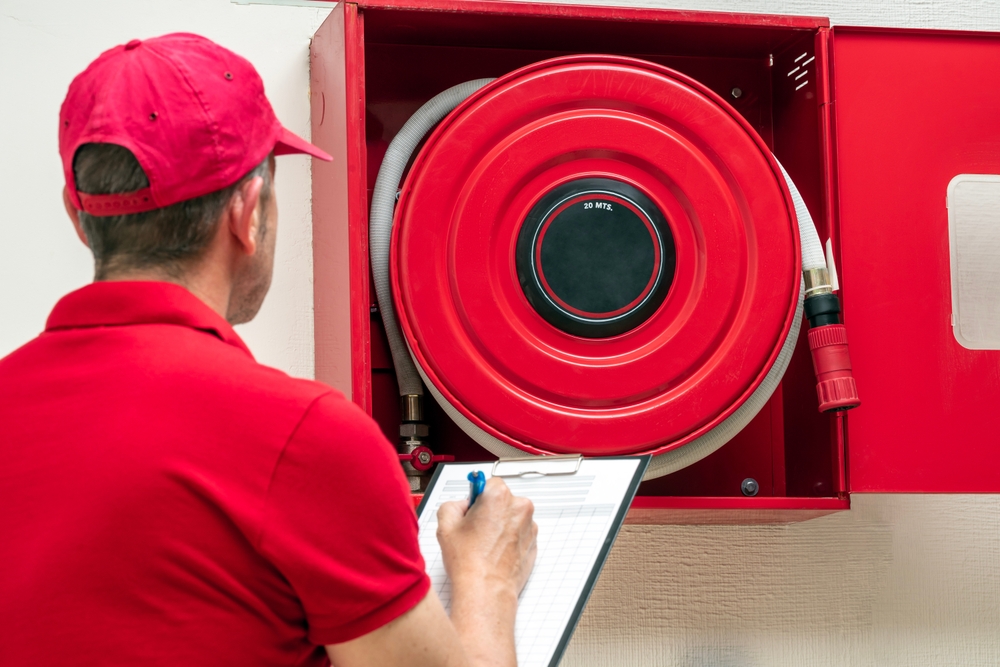
Fire safety is an essential aspect of running a safe and responsible business. In cities like Great Bend, Kansas, understanding the intricate web of commercial fire codes and local fire regulations is not only about legal compliance but also about protecting people, property, and the continuity of business operations. With a growing focus on safety and risk management, it’s crucial for business owners, property managers, and developers to fully understand how business fire safety standards apply to their operations.
From new construction to tenant improvements and ongoing inspections, local authorities in Great Bend enforce a variety of codes aimed at minimizing the risk of fire-related incidents. These rules touch on everything from the installation of sprinklers and alarms to the storage of hazardous materials. By understanding the layers of regulatory oversight and how they apply to specific building types, you can stay ahead of violations, reduce liability, and foster a safer environment for employees and customers alike.
The Foundation of Fire Safety in Great Bend
Fire safety in Great Bend is governed by a combination of nationally recognized standards and city-specific amendments. At the core of these regulations lies the International Fire Code (IFC), which is adopted and modified by many jurisdictions across the country, including Kansas municipalities. Great Bend follows a version of this code that has been tailored to meet local needs and priorities.
The IFC covers a wide range of safety considerations, from building occupancy classifications to fire alarm systems and evacuation planning. In Great Bend, commercial fire codes derived from the IFC are enforced by the Fire Department’s Fire Prevention Bureau. This department is responsible for inspecting commercial properties, reviewing building plans for compliance, and ensuring that all fire protection systems meet city standards.
Business owners must be especially aware of how these codes apply to their specific industry. For instance, a restaurant will have vastly different fire safety requirements than a warehouse storing flammable chemicals. Understanding these distinctions early in the planning or operational phase can prevent costly corrections later on.
Local Fire Regulations and Inspections
Local fire regulations in Great Bend are designed to supplement state and national codes with additional context-sensitive guidelines. These may include specific restrictions on building materials, requirements for clear access to fire hydrants, or the need for periodic testing of alarm systems. The Great Bend Fire Department conducts routine inspections to ensure ongoing compliance, and any deficiencies noted during these inspections must be corrected within a defined time frame.
A common challenge for business owners is staying on top of inspection timelines and understanding what inspectors look for. Inspections typically cover a wide array of areas, including emergency lighting, sprinkler coverage, accessibility of fire extinguishers, and unobstructed exits. Businesses that fail to comply with local fire regulations may face fines or even temporary shutdowns until violations are corrected.
It’s important to note that these inspections are not one-time requirements. Commercial properties are subject to regular reviews, especially when changes are made to occupancy, layout, or the introduction of new materials that may affect fire risk. Being proactive in maintaining compliance will not only satisfy regulatory requirements but also help build a culture of safety within the organization.
Meeting Business Fire Safety Standards
Compliance with business fire safety standards involves more than simply passing inspections. It requires a comprehensive approach to fire prevention and emergency preparedness. This includes everything from employee training and signage to the selection and maintenance of fire suppression equipment.
In Great Bend, business fire safety standards are influenced by both the building’s intended use and its structural characteristics. For example, multi-tenant commercial buildings often need integrated fire alarm systems that connect to a central monitoring service. In contrast, standalone buildings may be allowed more flexibility, provided they meet baseline requirements.
For new businesses, the process of obtaining a Certificate of Occupancy will involve multiple checkpoints, including a fire safety review. During this process, the Fire Department will assess whether the property complies with all applicable commercial fire codes. If deficiencies are found, the certificate may be withheld until corrections are made.
Beyond code compliance, many insurance providers require businesses to maintain high levels of fire safety as a condition of coverage. This adds an additional layer of accountability and financial incentive to meet or exceed local standards. Installing up-to-date alarm systems, fire sprinklers, and accessible fire exits can lower insurance premiums while significantly reducing risk.
The Role of Building Codes and Permits
In Great Bend, fire safety is closely tied to the building permit process. Any new construction, renovation, or significant change of use will trigger a review process that includes an evaluation of fire safety provisions. This ensures that fire resistance, alarm systems, exit strategies, and other critical components are incorporated from the outset.
Architects and contractors working on commercial projects must submit detailed plans to the city’s building department, which coordinates with the Fire Department to ensure compliance with commercial fire codes. The review process evaluates structural fire resistance, compartmentalization, emergency lighting, exit signage, and access for fire personnel.
Neglecting this step can lead to major setbacks. If a project is found to be out of compliance after construction begins, the cost of corrections can be substantial. Worse, a failure to properly secure permits can lead to fines, forced demolition, or lawsuits in the event of a fire. For this reason, developers and business owners should prioritize fire safety considerations from the design phase onward.
Permits related to fire safety also include the installation of specific systems, such as commercial cooking suppression systems, fire alarms, and sprinklers. These systems must not only be installed to code but also maintained and tested at regular intervals. Documentation of these maintenance efforts may be required during inspections.
Educating Staff and Building a Fire-Ready Culture
Even the best fire protection systems are only as effective as the people who use them. That’s why education and training are vital components of a fire-safe business. Employees should know how to use fire extinguishers, recognize alarm signals, and follow evacuation procedures. Regular fire drills and updated emergency plans ensure that everyone in the building knows what to do in case of a fire.
In Great Bend, fire prevention education is encouraged by the Fire Department, which often provides resources and even hosts events aimed at improving public awareness. Businesses that invest in staff training not only improve safety but also demonstrate a strong commitment to community standards.
This culture of preparedness can make a significant difference during emergencies. Employees who know how to respond to a small fire can prevent it from escalating into a major incident. Likewise, a well-rehearsed evacuation can save lives and reduce injuries. These practices are especially important in buildings that host large numbers of people, such as retail stores, restaurants, and healthcare facilities.
Ultimately, integrating fire safety into the daily operations of a business requires leadership, consistency, and a willingness to go beyond the bare minimum. In a city like Great Bend, where community and responsibility go hand in hand, businesses that take fire safety seriously help raise the bar for everyone.
Conclusion
Understanding fire safety codes in Great Bend, KS, is not a luxury for business owners; it’s a legal, ethical, and operational necessity. Compliance with commercial fire codes, local fire regulations, and business fire safety standards ensures that companies are well-prepared to protect both people and property. It also shields them from costly fines, lawsuits, and insurance issues.
By integrating fire safety into building design, permitting, daily operations, and employee training, businesses create safer environments that benefit not only their own teams but also the wider community. Great Bend’s regulatory framework is designed to support these efforts, providing clear guidelines and support through inspections and educational outreach.
Business leaders who stay informed, proactive, and committed to compliance are in the best position to succeed. Fire safety isn’t just about avoiding disaster; it’s about building resilience, earning trust, and contributing to a safer city for everyone. Whether you’re opening a new business, managing a growing company, or overseeing a renovation project, understanding and applying these fire safety principles will always be a smart investment.
Need Life Safety Products Near You?
There are various forms of personal protection. We offer fire safety and fire prevention equipment including fire extinguishers, and we service them, too. Business owners throughout Southwest Kansas should know what types of personal protection or fire safety equipment is necessary to suit the needs of their business. Rather than struggling with purchasing decisions, discuss with our consultants from C.F. Fire & Life Safety and let us guide you through the logistics. Based in Liberal, KS, C.F. Fire & Life Safety, is your destination for personal protection, fire safety, fire prevention, and fire extinguisher services throughout Southwest Kansas. Contact us today to learn more about what we can do for you!