Top Fire Safety Measures for Commercial Buildings
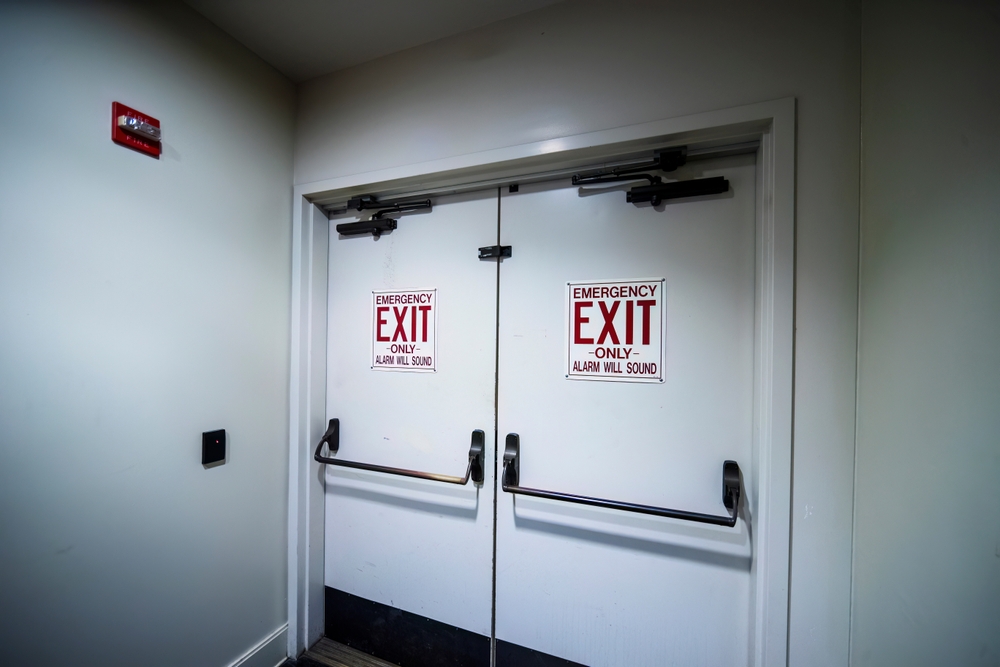
Fire safety is one of the most critical responsibilities for any business owner or facilities manager. Commercial buildings present unique challenges when it comes to fire prevention and emergency response. With dozens or even hundreds of occupants, complex electrical systems, and valuable assets on the line, having a comprehensive approach to commercial fire safety is not just a legal obligation; it is a moral one.
Understanding the risks and taking deliberate, proactive steps can mean the difference between a minor incident and a catastrophic loss.
Common Office Fire Hazards
Before you can protect a building, you need to understand what puts it at risk. Office fire hazards are more common than most people realize, and many of them are hiding in plain sight. Overloaded power strips, frayed electrical cords, and improperly stored flammable materials are among the leading causes of workplace fires. Kitchens and break rooms are particularly vulnerable spaces, where unattended cooking equipment can ignite quickly. Server rooms and data centers generate significant heat and can become fire risks if ventilation and cooling systems are not properly maintained.
Clutter is another underappreciated hazard. When hallways, stairwells, and storage areas are packed with boxes, furniture, or other materials, they do not just obstruct emergency exits; they also provide additional fuel for a fire that might otherwise remain contained. Electrical panels that are blocked or inaccessible present a serious risk as well, since firefighters and building engineers need quick access to shut off power in an emergency.
Human behavior plays a role too. Improper disposal of smoking materials near building entrances, use of unauthorized space heaters, and leaving coffee makers or other appliances running overnight are all behaviors that contribute to preventable fires. Education and awareness are the first line of defense against these everyday risks.
Essential Fire Prevention Strategies Every Business Should Implement
Putting solid fire prevention strategies in place requires a layered approach that combines physical infrastructure, employee training, and ongoing maintenance. No single measure is sufficient on its own; instead, businesses must think in terms of systems that reinforce one another.
The foundation of any fire prevention plan is a thorough risk assessment. This involves walking through the building with a trained eye to identify potential ignition sources, fuel loads, and areas where fire could spread rapidly. Risk assessments should be conducted at least annually and updated whenever significant changes are made to the building layout, occupancy, or operations.
Proper storage of flammable and combustible materials is another cornerstone of fire prevention. Chemicals, paper goods, cleaning supplies, and other combustibles should be stored in designated areas with appropriate containment and ventilation. Quantities of flammable liquids should be kept to the minimum necessary for daily operations, with the remainder stored in compliant safety cabinets or off-site locations.
Electrical safety deserves particular attention in commercial settings. Routine inspections by licensed electricians can catch problems before they escalate. Businesses should ensure that all wiring meets current code requirements, that circuit breakers are properly sized, and that extension cords are used only as temporary measures rather than permanent fixtures. Any signs of electrical trouble, such as flickering lights, tripped breakers, or burning smells, should be investigated immediately by a qualified professional.
Installing and Maintaining Fire Safety Systems
No discussion of commercial fire safety is complete without addressing the critical role of fire detection and suppression systems. These systems are the last line of defense when prevention measures fall short, and their reliability can literally save lives.
Sprinkler systems are widely recognized as one of the most effective tools for controlling commercial building fires. When properly designed and maintained, automatic sprinklers can suppress or extinguish a fire before it spreads beyond the room of origin, buying precious time for occupants to evacuate and for emergency responders to arrive. Buildings that rely on older systems should have them inspected regularly to ensure nozzles are not corroded, pipes are free of obstructions, and water pressure meets required levels.
Smoke and heat detectors form the early warning network that triggers evacuation and alerts the fire department. These devices should be installed in every room and corridor, tested monthly, and replaced according to the manufacturer’s recommended schedule. Interconnected detectors that sound simultaneously throughout the building are far more effective than isolated units that only alarm in the room where smoke is detected.
Fire extinguishers must be present on every floor, properly mounted, clearly labeled, and inspected annually. Employees should be trained on how to use them effectively using the PASS technique: Pull, Aim, Squeeze, and Sweep. However, extinguishers are intended only for small, contained fires; if a fire grows beyond a wastebasket size, evacuation is the correct response.
Emergency lighting and illuminated exit signs are often overlooked until they are desperately needed. These systems should be tested regularly to confirm they activate during power outages and guide occupants safely to exits.
Creating and Practicing a Fire Emergency Plan
Even the best fire prevention strategies and detection systems are only as good as the people who rely on them. A well-designed fire emergency plan transforms a chaotic situation into an organized response, reducing the risk of injuries and ensuring that everyone knows exactly what to do when an alarm sounds.
Every commercial building should have a written emergency action plan that outlines evacuation routes, designated assembly points, responsibilities for specific staff members, and procedures for assisting individuals with disabilities or mobility limitations. This plan should be posted prominently throughout the building and made available to all employees.
Designated fire wardens play a vital role in commercial settings. These individuals are responsible for sweeping their assigned areas, confirming that all occupants have evacuated, and reporting to the incident commander at the assembly point. Wardens should receive specialized training and clear instructions on when to assist others versus when to prioritize their own safe exit.
Fire drills are non-negotiable. Many businesses treat them as a formality or an inconvenience, but regular drills are the only way to ensure that occupants can evacuate quickly and calmly under stress. Drills should be conducted at least twice a year, at varying times of day, and should be followed by a debrief to identify any gaps in the plan or areas where the evacuation took longer than expected.
Coordination with your local fire department adds another layer of preparedness. Inviting fire officials to tour the building allows them to familiarize themselves with the layout, identify potential challenges, and provide site-specific recommendations. This relationship can make a meaningful difference in the speed and effectiveness of their response during an actual emergency.
Compliance, Training, and Ongoing Vigilance
Maintaining compliance with local fire codes and National Fire Protection Association (NFPA) standards is a continuous responsibility, not a one-time checkbox. Regulations evolve, buildings change, and occupancy levels shift over time; staying current requires consistent effort and documentation.
Businesses should designate a fire safety officer or work with a third-party consultant to keep track of inspection schedules, permit renewals, and code updates. Records of all fire safety activities, including inspections, drills, training sessions, and equipment maintenance, should be carefully documented and stored in an accessible location.
Employee training must go beyond the bare minimum required by law. Workers who understand why fire safety protocols exist are far more likely to follow them consistently. Training should cover how to recognize and report hazards, how to respond to an alarm, and how to use fire extinguishers appropriately. New hires should receive this training during onboarding, with refreshers provided at least annually.
Conclusion
A strong commitment to commercial fire safety protects people, property, and the future of your business. By identifying office fire hazards, implementing proven fire prevention strategies, maintaining detection and suppression systems, and preparing every occupant with a clear emergency plan, businesses can dramatically reduce their risk. Fire safety is not a project with a finish line; it is an ongoing culture that requires leadership, consistency, and attention every single day.
Need Life Safety Products Near You?
There are various forms of personal protection. We offer fire safety and fire prevention equipment including fire extinguishers, and we service them, too. Business owners throughout Southwest Kansas should know what types of personal protection or fire safety equipment is necessary to suit the needs of their business. Rather than struggling with purchasing decisions, discuss with our consultants from C.F. Fire & Life Safety and let us guide you through the logistics. Based in Liberal, KS, C.F. Fire & Life Safety, is your destination for personal protection, fire safety, fire prevention, and fire extinguisher services throughout Southwest Kansas. Contact us today to learn more about what we can do for you!