How to Conduct a Fire Drill at Your Workplace
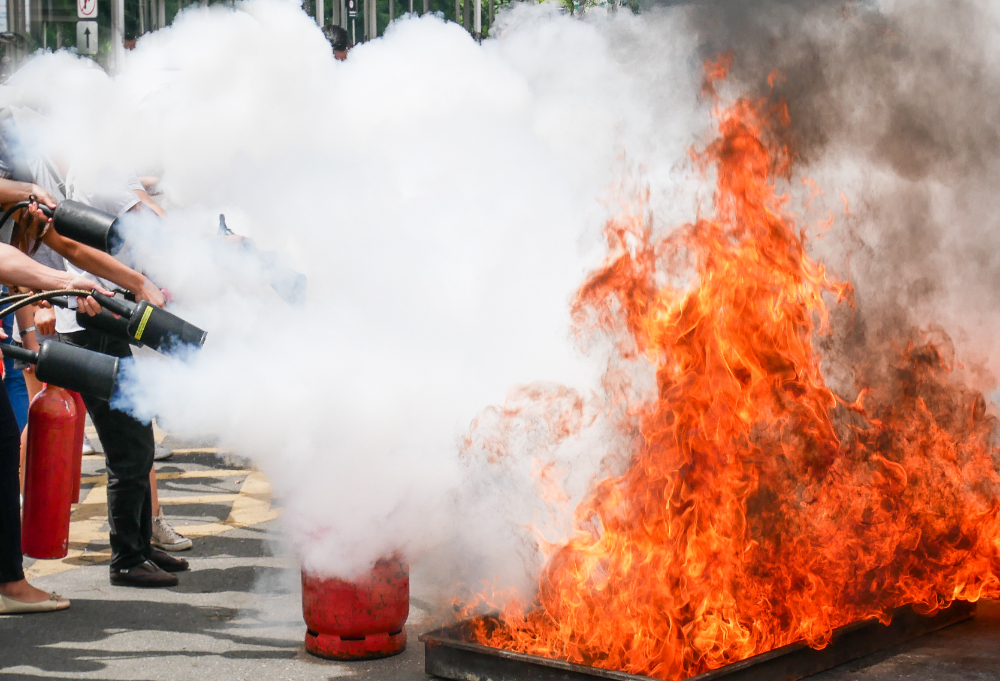
Fire safety is one of the most critical responsibilities a business owner or manager can take on. Yet, despite the obvious importance of emergency preparedness plans, many organizations treat fire drills as a box-checking exercise rather than a genuine life-saving practice. When a real emergency strikes, the difference between a calm, organized evacuation and a chaotic scramble often comes down to how well a workplace has prepared. Learning how to conduct workplace drills effectively is not just a regulatory requirement in most jurisdictions; it is a moral obligation to every person who walks through your doors.
This guide walks you through the entire process of planning and executing a fire drill at your workplace, from the initial stages of fire drill planning all the way through the post-drill evaluation. Whether you manage a small office, a large warehouse, or a multi-story building, these principles apply across the board.
Understanding the Purpose of a Fire Drill
Before diving into logistics, it helps to understand what a fire drill is actually meant to accomplish. A fire drill is a structured simulation of an emergency evacuation designed to test your organization’s emergency preparedness plans and ensure that every employee knows exactly what to do when an alarm sounds.
The goals are straightforward. You want employees to know their evacuation routes. You want to identify bottlenecks, blocked exits, or confusion points in your building layout. You want to verify that designated roles, such as fire wardens or floor monitors, are being carried out properly. And you want to build the kind of muscle memory that kicks in during high-stress situations when rational thinking can temporarily break down.
Research consistently shows that people who have practiced an evacuation respond significantly faster and more effectively than those who have not. A drill that feels routine or even slightly inconvenient is doing exactly what it is supposed to do: preparing people for a moment when inconvenience becomes a matter of survival.
Fire Drill Planning: What to Do Before the Drill
Effective fire drill planning begins weeks, not days, before the actual event. Rushing the preparation process is one of the most common mistakes organizations make, and it often leads to drills that are chaotic, incomplete, or fail to surface real problems.
Start by reviewing your current emergency preparedness plans. These documents should outline your evacuation routes, identify assembly points, assign roles to specific staff members, and account for employees who may need assistance evacuating, such as those with mobility limitations. If your emergency plan has not been updated recently, now is the time to revise it before you test it.
Next, walk through the building yourself. Look at every exit and stairwell. Are they clearly marked? Are they free from obstruction? Test the fire alarm system to confirm it is functioning properly in all areas of the building, including break rooms, restrooms, and any remote corners of the facility. Coordinate with your building manager or facilities team if any repairs or updates are needed.
Assign fire wardens or floor monitors for each section of the building. These individuals are responsible for sweeping their areas to ensure everyone has evacuated, guiding people to the correct exits, and reporting the status of their zones to the incident commander, typically a safety officer or manager, at the assembly point.
Decide whether your drill will be announced or unannounced. Both approaches have merit. Announced drills allow employees to mentally prepare and reduce the risk of injuries from panic, making them a good starting point for organizations running their first drill. Unannounced drills, on the other hand, more closely simulate a real emergency and reveal gaps that a prepared drill might not. Many safety professionals recommend starting with announced drills and transitioning to unannounced ones as your team becomes more experienced.
Finally, set a date and time, and notify the appropriate parties. If your building houses multiple tenants or businesses, coordinate with them. Inform local fire departments in advance; in many areas, this is legally required, and fire officials may even want to observe or participate.
Conducting the Drill: Step-by-Step Execution
On the day of the drill, your role is to observe, not to participate as an evacuee. Position observers at key locations throughout the building so you can collect data on how the evacuation unfolds in real time.
Trigger the alarm at the designated time. From this moment, your observers should be tracking how quickly people begin to move, whether they use the correct exits, whether anyone hesitates or appears confused, and how long it takes to fully clear each floor or section.
Fire wardens should be actively doing their jobs: doing a final sweep of restrooms, conference rooms, and other spaces where someone might be isolated, then reporting to the assembly point. At the assembly point, the incident commander should be conducting a headcount and accounting for all employees, including those who may be working remotely or out of the office that day.
Time the entire process from the moment the alarm sounds to the moment all personnel are accounted for at the assembly point. This number becomes your baseline for future drills.
Pay particular attention to employees who require evacuation assistance. Pre-planned procedures for these individuals should be tested just as rigorously as general evacuation routes. Many buildings designate areas of refuge where individuals who cannot use the stairs wait for emergency responders; make sure these locations are known and accessible.
Once everyone is outside and accounted for, give a brief all-clear signal and allow employees to return to the building in an orderly manner. This is also a good time to share immediate impressions with staff while the experience is fresh.
Post-Drill Evaluation and Follow-Up
Conducting the drill itself is only half the work. The post-drill evaluation is where the real value of your fire drill planning comes through. Without a thorough debrief, you miss the entire point of the exercise.
Gather your observers and fire wardens as soon as possible after the drill. Collect their notes and compile a written report that documents the total evacuation time, any problems encountered, how well roles were carried out, and the overall performance of your emergency preparedness plans. Were there exits that people avoided? Did any employees not know where to go? Did the assembly area create congestion?
Share the findings with your team. Transparency is important here. If the drill revealed weaknesses, employees should know about them so they understand why changes are being made. Celebrate what went well, too; positive reinforcement encourages people to take future drills seriously.
Update your emergency preparedness plans based on what you learned. This might mean repositioning your assembly area, retraining certain staff members, adding clearer exit signage, or revising the roles assigned to fire wardens. Every drill should result in at least one meaningful improvement.
Schedule your next drill. Most safety regulations require workplaces to conduct fire drills at least once per year, though high-risk environments like healthcare facilities, schools, and manufacturing plants often require more frequent practice. Use the interval between drills to keep your team refreshed on procedures, especially when you onboard new employees or make significant changes to your building layout.
Conclusion
Learning how to conduct workplace drills effectively is one of the most valuable investments a business can make in the safety and well-being of its people. Through careful fire drill planning, consistent execution, and honest post-drill evaluation, you turn a routine compliance activity into a genuine life-safety program. Strong emergency preparedness plans are not static documents; they are living frameworks that improve with every drill you run. Start today, and build a culture where safety is taken seriously long before any alarm ever sounds.
Need Life Safety Products Near You?
There are various forms of personal protection. We offer fire safety and fire prevention equipment including fire extinguishers, and we service them, too. Business owners throughout Southwest Kansas should know what types of personal protection or fire safety equipment is necessary to suit the needs of their business. Rather than struggling with purchasing decisions, discuss with our consultants from C.F. Fire & Life Safety and let us guide you through the logistics. Based in Liberal, KS, C.F. Fire & Life Safety, is your destination for personal protection, fire safety, fire prevention, and fire extinguisher services throughout Southwest Kansas. Contact us today to learn more about what we can do for you!