Fire safety is one of the most critical aspects of protecting lives and property. While fire alarms and evacuation plans are essential, regular inspections of fire extinguishers often go overlooked. Yet, these routine checks play a vital role in ensuring preparedness when emergencies strike. A fully functional extinguisher can mean the difference between containing a small fire and facing a devastating disaster. In this blog, we’ll explore the top five reasons why regular fire extinguisher inspections are a cornerstone of life-saving practices and how they contribute to overall fire safety benefits.
1. Ensuring Fire Extinguishers Are Ready to Use
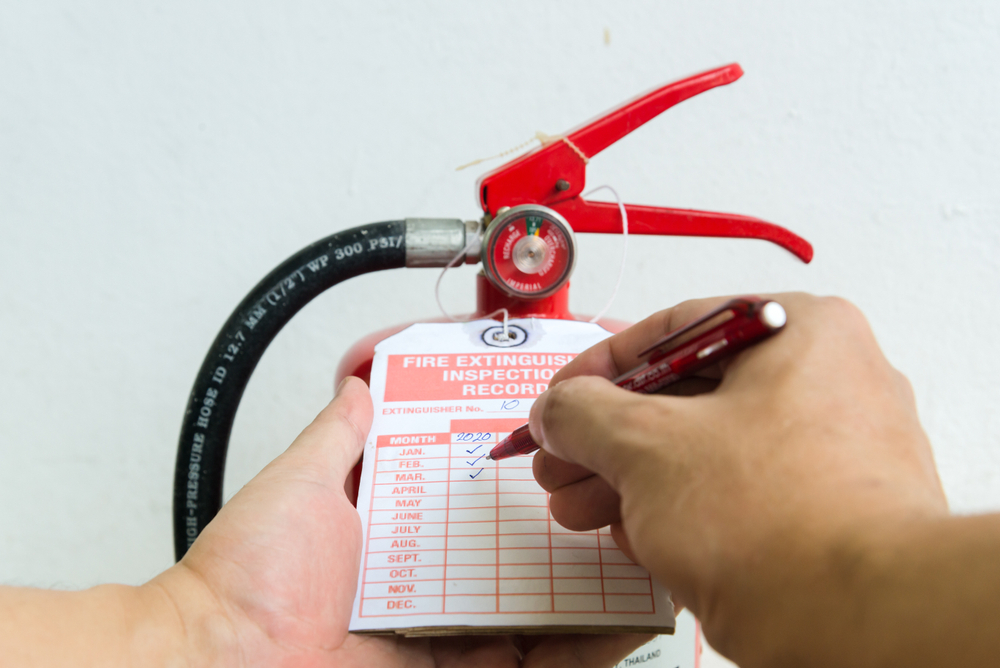
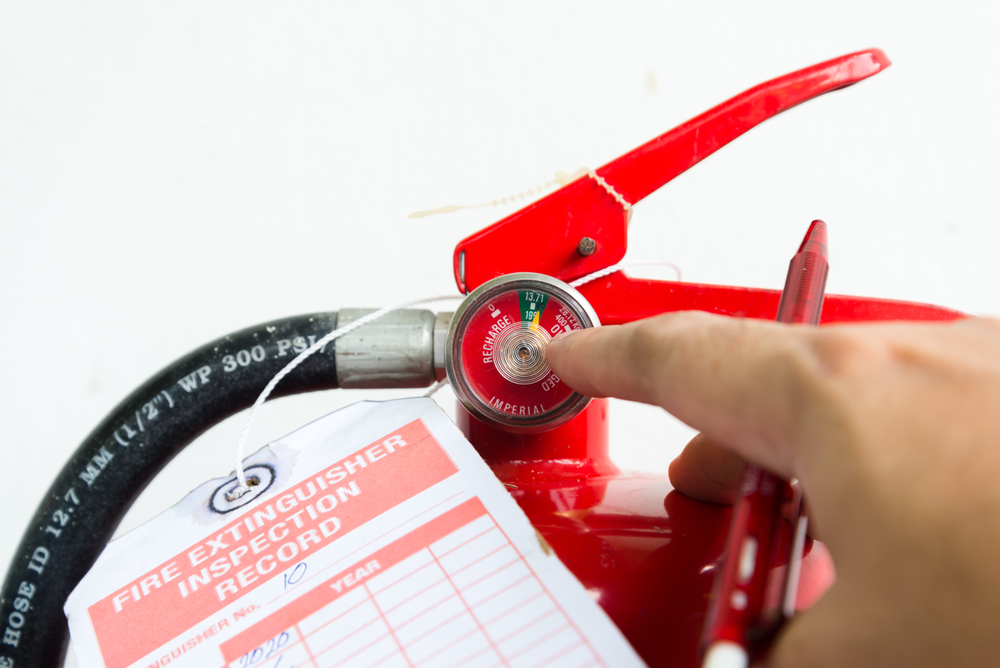
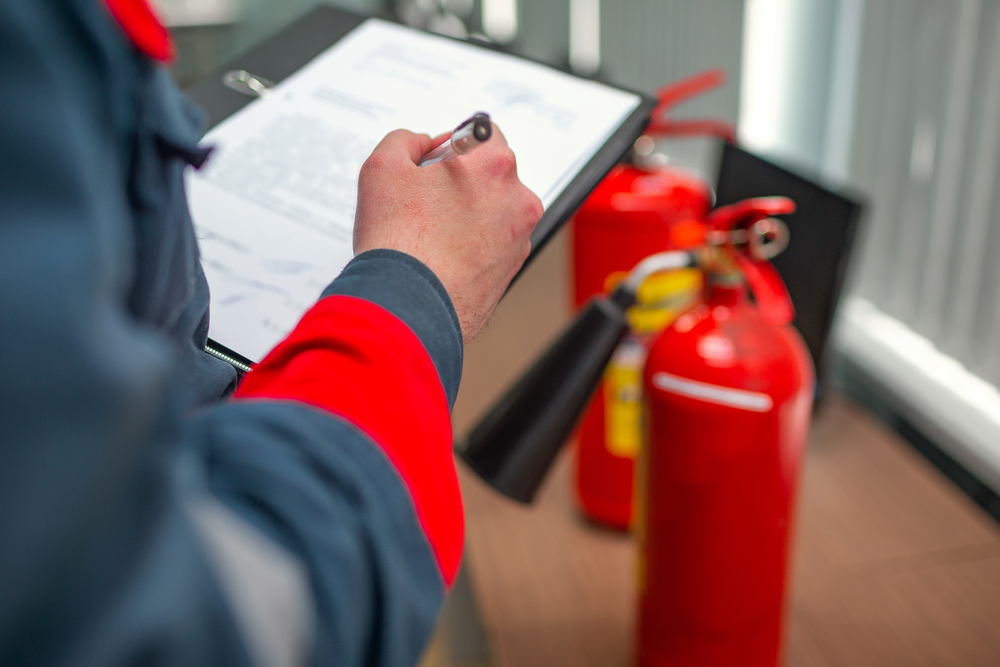
Fire emergencies can escalate in seconds, leaving little room for error. The last thing anyone wants during a crisis is to reach for a fire extinguisher only to find that it doesn’t work. Regular inspections ensure that extinguishers are operational, pressurized, and properly maintained. During these checks, professionals verify key components such as the pressure gauge, nozzle, hose, safety pin, and seals. Even minor defects can compromise performance, which makes early detection critical.
When fire extinguishers are neglected, they may become clogged, lose pressure, or sustain hidden damage over time. These issues may render them useless during emergencies, significantly increasing risk. By scheduling routine inspections, organizations and households can maintain confidence that their extinguishers will function properly when needed. This reliability is one of the most essential fire safety benefits, as it empowers people to act quickly and effectively during the crucial first moments of a fire.
2. Complying with Legal and Safety Standards
Safety regulations exist for a reason: to save lives. Local and national fire codes mandate that businesses, schools, and residential complexes conduct regular inspections of fire extinguishers. Failure to comply can lead not only to costly fines but also to liability in the event of an incident. By keeping extinguishers in top working order, property owners fulfill their legal obligations while ensuring a safer environment for occupants.
Fire protection agencies and insurance providers often require documented proof of compliance. These records demonstrate that inspections are performed consistently and according to standards. Without this documentation, property owners may face penalties, increased insurance premiums, or even legal consequences after an accident. Beyond compliance, maintaining up-to-date inspections shows a genuine commitment to safety, fostering trust among employees, residents, and visitors. It highlights the fact that life-saving practices are not optional—they are essential for protecting people and property.
3. Extending the Lifespan and Reliability of Equipment
Fire extinguishers are an investment in safety, but like any equipment, they require proper care to function effectively over time. Neglecting maintenance can lead to corrosion, leaks, and damaged components, all of which reduce an extinguisher’s reliability. Through regular inspections, potential problems are identified early, preventing expensive repairs or replacements down the road.
Routine servicing also ensures that extinguishers remain compliant with evolving safety standards and technological advancements. For example, pressure checks, recharging, and hydrostatic testing help maintain optimal performance. When fire extinguishers are well-maintained, their lifespan increases, resulting in significant cost savings and enhanced preparedness. These inspections are not just about ensuring functionality; they’re about building long-term resilience into your safety systems. The fire safety benefits extend beyond the immediate—it’s about creating an environment where protective measures remain effective year after year.
4. Protecting Lives Through Rapid Response
When a fire breaks out, every second counts. A small blaze can double in size within minutes, turning manageable situations into uncontrollable disasters. Properly maintained extinguishers enable people to act swiftly, potentially saving lives and preventing severe property damage. Regular inspections ensure that extinguishers are accessible, correctly placed, and fully operational, giving individuals the tools they need for an immediate response.
Without functional equipment, individuals are forced to wait for emergency responders, increasing the likelihood of injuries, fatalities, and extensive losses. On the other hand, an easily accessible, fully charged extinguisher can contain fires before they spread. These life-saving practices are particularly critical in high-risk environments such as restaurants, factories, offices, and schools, where fire hazards are more prevalent. Regular checks transform extinguishers from passive tools into reliable safeguards that empower people to act decisively when it matters most.
5. Promoting a Culture of Fire Safety Awareness
While the technical aspects of regular inspections are crucial, they also play a vital role in shaping organizational and community culture. When inspections are prioritized, they send a powerful message about the importance of safety. Employees, residents, and visitors become more aware of fire risks and how to respond effectively during emergencies. This awareness fosters proactive behavior, encouraging individuals to identify hazards, report concerns, and engage in prevention efforts.
In workplaces, ongoing training and inspections often go hand-in-hand. By educating people on how to use extinguishers, recognize warning signs, and follow proper evacuation procedures, organizations create an environment where life-saving practices become second nature. This cultural shift contributes to broader fire safety benefits by reducing risks, improving emergency response times, and fostering collective responsibility for safety.
Conclusion
Fire emergencies can happen anywhere and at any time, but preparation is the key to minimizing harm and saving lives. Regular inspections of fire extinguishers ensure that these essential tools are always ready for use, comply with legal requirements, and remain effective for years to come. Beyond maintaining functionality, these inspections cultivate a safety-conscious environment where people are equipped to act quickly and responsibly.
The value of life-saving practices cannot be overstated. By investing in regular inspections, businesses, property owners, and individuals safeguard not only their assets but also the well-being of everyone in their care. Ultimately, the most significant fire safety benefits come from being proactive rather than reactive—taking the necessary steps today to prevent tragedies tomorrow.
Need Life Safety Products In Garden City, KS?
There are various forms of personal protection. We offer fire safety and fire prevention equipment including fire extinguishers, and we service them, too. Business owners throughout Southwest Kansas should know what types of personal protection or fire safety equipment is necessary to suit the needs of their business. Rather than struggling with purchasing decisions, discuss with our consultants from C.F. Fire & Life Safety and let us guide you through the logistics. Based in Liberal, KS, C.F. Fire & Life Safety, is your destination for personal protection, fire safety, fire prevention, and fire extinguisher services throughout Southwest Kansas. Contact us today to learn more about what we can do for you!
Fire extinguishers are one of the most critical pieces of fire safety equipment in any commercial, industrial, or residential space. However, simply having extinguishers on site is not enough. To maintain fire safety compliance and ensure that extinguishers will function properly during an emergency, regular fire extinguisher inspections are essential. Unfortunately, many businesses face penalties and increased risk due to common inspection failures. Understanding these failures, why they occur, and how to avoid them is key to protecting lives, property, and regulatory standing.
In this blog, we’ll explore the most common inspection failures, provide practical inspection tips, and offer insights into how organizations can stay ahead of fire safety compliance requirements.
Expired or Missing Inspection Tags
One of the most frequent issues inspectors encounter is expired or missing inspection tags. Each extinguisher must have an up-to-date tag showing the date of the last inspection, the inspector’s initials, and sometimes additional information depending on local regulations. These tags serve as a visible record of maintenance and are the first thing inspectors check.
When tags are missing or outdated, it creates the impression that the extinguisher has not been maintained. Even if the extinguisher itself is in perfect condition, the absence of documentation will result in a failure. Businesses often overlook this step because inspections are sometimes conducted informally without proper tagging, or tags become detached and are not replaced.
To avoid this failure, businesses should implement a consistent inspection routine that ensures tags are updated and secured after each check. Digital inspection systems can also help track compliance, generating reminders for monthly and annual inspections and automatically logging the information. By maintaining current documentation, companies not only meet fire safety compliance requirements but also demonstrate accountability in their fire prevention strategies.
Blocked or Inaccessible Extinguishers
Another common inspection failure occurs when fire extinguishers are blocked, hidden, or otherwise inaccessible. In workplaces with high foot traffic, frequent deliveries, or limited storage, extinguishers are often unintentionally obstructed by boxes, furniture, or equipment. During an emergency, such obstructions can cost precious seconds, preventing employees from accessing life-saving equipment.
Regulations require extinguishers to be mounted in visible, accessible locations, typically along normal paths of travel. They must also have clear signage indicating their presence. If an extinguisher is blocked, inspectors will mark it as non-compliant, even if the extinguisher itself is fully functional.
To avoid this, businesses should conduct routine walkthroughs, checking that all extinguishers are accessible and clearly visible. Training staff to recognize and report blocked extinguishers is equally important. By incorporating accessibility checks into daily operations, organizations reduce the likelihood of inspection failures while ensuring extinguishers are ready for immediate use in emergencies.
Low Pressure or Damaged Units
Perhaps the most serious inspection failure involves extinguishers that are either under-pressurized or physically damaged. Every extinguisher has a pressure gauge, and inspectors will verify that the needle is in the green zone. Extinguishers that are overcharged, undercharged, corroded, or dented can malfunction when needed most.
Environmental factors such as heat, humidity, or corrosive chemicals can degrade an extinguisher’s integrity over time. For example, extinguishers stored near machinery or outdoors may develop rust, leaks, or weakened seals. These conditions pose serious risks, as a damaged extinguisher may not discharge properly or may even explode under pressure.
To prevent such failures, businesses should ensure extinguishers are stored in appropriate environments and inspected monthly for visible damage. Annual maintenance conducted by certified professionals is also essential, as it involves more thorough testing and servicing. By staying proactive, companies can extend the lifespan of their extinguishers and guarantee reliable performance during emergencies.
Incorrect Type or Insufficient Quantity
Not all fires are the same, and neither are extinguishers. Another frequent inspection failure arises when facilities have the wrong type of extinguisher for their environment or too few extinguishers to meet code requirements. For instance, using a water-based extinguisher in a commercial kitchen or near electrical equipment can worsen a fire rather than suppress it.
Codes and standards specify not only the appropriate type of extinguisher for each hazard class but also the number and placement required for adequate coverage. Businesses that fail to conduct hazard assessments or update equipment as operations change often find themselves out of compliance.
To avoid this failure, organizations should work with fire protection professionals to conduct thorough hazard analyses. Regular reviews ensure that extinguisher types match the risks present in each area and that the facility has sufficient coverage to protect employees and assets. Periodic reassessments are especially important when businesses expand, renovate, or change their operations, as these changes can alter fire risks significantly.
Lack of Staff Training and Awareness
Even when extinguishers are properly maintained and inspected, a lack of staff training can lead to inspection failures and real-world dangers. Inspectors may ask whether employees know the location of extinguishers, how to use them, or what steps to take in the event of a fire. If employees cannot answer these questions, inspectors may determine that the facility is not fully compliant.
Training is not only a regulatory requirement in many jurisdictions but also a vital component of effective fire safety. Without proper knowledge, employees may hesitate during emergencies, misuse extinguishers, or place themselves in unnecessary danger.
To avoid this, organizations should schedule regular training sessions that cover fire extinguisher basics, evacuation procedures, and emergency reporting protocols. Refresher courses and hands-on drills help reinforce this knowledge and build employee confidence. Embedding fire safety into workplace culture ensures that extinguishers are not only inspected and maintained but also effectively used when needed.
Conclusion
Fire extinguisher inspections are more than a regulatory obligation; they are an essential safeguard for protecting people, property, and operations. Common inspection failures such as missing tags, blocked access, low pressure, incorrect types, and inadequate training can all undermine fire safety compliance and put lives at risk.
The good news is that these issues are preventable with proactive strategies. Establishing consistent inspection routines, training staff, choosing the right extinguishers for each environment, and working with certified fire safety professionals are all effective ways to maintain compliance and readiness. By focusing on these areas, businesses can not only pass inspections but also build a safer workplace where everyone is prepared to respond effectively in the event of a fire.
Need Life Safety Products In Garden City, KS?
There are various forms of personal protection. We offer fire safety and fire prevention equipment including fire extinguishers, and we service them, too. Business owners throughout Southwest Kansas should know what types of personal protection or fire safety equipment is necessary to suit the needs of their business. Rather than struggling with purchasing decisions, discuss with our consultants from C.F. Fire & Life Safety and let us guide you through the logistics. Based in Liberal, KS, C.F. Fire & Life Safety, is your destination for personal protection, fire safety, fire prevention, and fire extinguisher services throughout Southwest Kansas. Contact us today to learn more about what we can do for you!
Implementing a comprehensive business fire safety plan is not just a matter of regulatory compliance—it is a critical step in protecting lives, preserving property, and ensuring the continuity of business operations. Fires can erupt suddenly and spread rapidly, causing catastrophic damage. A sound fire safety strategy can dramatically reduce these risks, equipping your workplace with the protocols, tools, and training needed to respond swiftly and effectively. Whether your business operates out of a retail space, an office tower, or a warehouse, having a tailored fire safety plan in place is essential.
The Importance of a Business Fire Safety Plan
A business fire safety plan serves as the foundational blueprint for protecting your organization from the devastating impact of fire emergencies. The plan not only outlines the preventive measures to reduce fire risks but also provides a structured response strategy in the event of a fire. A well-designed plan helps businesses minimize loss, avoid injury or death, and resume operations more quickly after an incident.
A proactive fire safety strategy is particularly crucial for industries that handle combustible materials or use heat-producing equipment, such as manufacturing, hospitality, or food services. However, every workplace is vulnerable to fire hazards—from faulty wiring and overloaded circuits to neglected heating equipment or careless use of flammable liquids. With rising concerns around business continuity and safety culture, more organizations are recognizing the importance of preparing for fire emergencies through a robust safety infrastructure.
Assessing Risks and Identifying Fire Hazards
The first step in any fire safety strategy is to conduct a thorough risk assessment. This involves identifying all potential fire hazards within the workplace and evaluating the likelihood and potential consequences of a fire occurring. Hazards can vary depending on your business type, the building structure, and the materials present on-site.
Start by examining key risk areas: electrical systems, kitchen appliances, heating and cooling equipment, storage areas for flammable materials, and employee behavior. Consider historical incidents, if any, and review inspection reports, maintenance logs, and insurance claims. Assess escape routes for accessibility and the presence of obstructions. Also, determine whether fire exits are properly marked and free from blockage at all times.
Once you have identified the hazards, assign a level of risk (low, medium, or high) and document them in a formal fire risk assessment report. This risk map will form the backbone of your business fire safety plan and help you prioritize mitigation measures.
Developing and Documenting the Fire Safety Strategy
After identifying fire hazards, the next step is to create a fire safety strategy tailored to your business operations. This strategy should be both preventive and responsive. On the preventive side, it should incorporate measures to eliminate or reduce fire hazards—this might include upgrading electrical systems, safely storing combustible materials, or maintaining fire alarms and extinguishers. It should also detail employee training schedules, inspection routines, and maintenance checklists.
From a response perspective, the plan should clearly define what actions need to be taken in the event of a fire. This includes assigning roles and responsibilities, such as fire wardens or floor captains, and ensuring employees know evacuation procedures. A well-crafted fire safety plan also outlines the use of fire suppression equipment, emergency contact protocols, and post-incident recovery plans.
Documentation is key. Create a formal, easy-to-understand written plan that is readily accessible to all employees. It should include maps of escape routes, locations of extinguishers and fire alarms, emergency contact numbers, and instructions for special scenarios (e.g., evacuating individuals with disabilities). Regularly update this document to reflect any changes in layout, equipment, or personnel.
Training Employees and Conducting Fire Drills
No fire safety strategy is complete without proper employee training and regular fire drills. Even the most well-designed plan will fail if employees do not understand their roles or how to execute evacuation procedures. Training should be mandatory for all staff members and provided at onboarding, with refresher courses offered periodically. Training should include identifying fire hazards, using fire extinguishers, recognizing alarms, and understanding evacuation routes and protocols.
Simulated fire drills should be conducted at least twice a year, preferably with the participation of local fire departments. These drills help identify any bottlenecks or confusion in the evacuation process, allowing you to fine-tune your plan accordingly. For businesses operating in multi-story buildings, consider practicing stairwell evacuations and testing intercom systems. Ensure drills account for various scenarios, such as fires that block primary exits or occur during shift changes.
Empower fire wardens and safety coordinators to lead these exercises and monitor compliance. The goal is to build a workplace culture that prioritizes preparedness and personal accountability. Reinforce that fire safety is not just the job of a few but a collective responsibility.
Maintaining Fire Safety Equipment and Ensuring Compliance
An effective business fire safety plan is sustained through ongoing maintenance and compliance. Fire alarms, smoke detectors, sprinkler systems, and extinguishers must be inspected and serviced regularly in accordance with local fire codes and manufacturer guidelines. Maintain detailed records of all inspections, tests, and repairs. These records not only support compliance but also help identify patterns or recurring issues that need attention.
Make sure your fire extinguishers are the correct type for your business environment—Class A for ordinary combustibles, Class B for flammable liquids, Class C for electrical fires, and so on. Install signage and lighting to highlight emergency exits, and ensure backup power sources are tested frequently.
In many jurisdictions, businesses are required to submit a formal fire safety plan to local fire authorities for approval. Even if not mandated, involving local fire departments in reviewing your plan can provide valuable insights and foster a collaborative relationship. These agencies may also offer free risk assessments or training programs that benefit your team.
As your business evolves—whether through growth, relocation, or changes in operations—revisit your fire safety strategy to ensure it remains relevant. A neglected or outdated plan can give a false sense of security and leave your organization vulnerable during a real emergency.
Conclusion
A comprehensive business fire safety plan is an investment in the resilience, safety, and long-term success of your enterprise. By identifying fire risks, establishing a practical fire safety strategy, training employees, and maintaining essential equipment, your organization will be better prepared to prevent fires and respond decisively if they occur. Fire emergencies are unpredictable, but your preparation doesn’t have to be. Taking the time to implement and maintain a thoughtful, thorough fire safety plan could mean the difference between a contained incident and a catastrophic loss. Start building your fire safety strategy today—not just to meet regulations, but to protect what matters most.
Need Life Safety Products In Garden City, KS?
There are various forms of personal protection. We offer fire safety and fire prevention equipment including fire extinguishers, and we service them, too. Business owners throughout Southwest Kansas should know what types of personal protection or fire safety equipment is necessary to suit the needs of their business. Rather than struggling with purchasing decisions, discuss with our consultants from C.F. Fire & Life Safety and let us guide you through the logistics. Based in Liberal, KS, C.F. Fire & Life Safety, is your destination for personal protection, fire safety, fire prevention, and fire extinguisher services throughout Southwest Kansas. Contact us today to learn more about what we can do for you!
Selecting the proper fire extinguisher for a given environment or type of fire is not just a matter of safety—it can be the critical factor between containing an emergency and allowing a fire to grow uncontrollably. The sheer variety of commercial fire extinguishers on the market can make fire extinguisher selection feel overwhelming. Each type is designed for specific fire classes, each with its own fuel source and behavior. Understanding how to match the correct extinguisher with potential fire risks ensures optimal safety, regulatory compliance, and peace of mind for business owners, safety officers, and property managers.
The Classes of Fires and Their Extinguishers
To choose the correct fire extinguisher, one must first understand the different classes of fires. Fires are categorized into five primary classes: A, B, C, D, and K. Class A fires involve ordinary combustibles such as wood, paper, and cloth. Class B fires include flammable liquids like gasoline, oil, and solvents. Class C fires arise from electrical equipment and wiring. Class D fires involve combustible metals, and Class K fires pertain to cooking oils and fats typically found in commercial kitchens.
Each fire class requires a specialized extinguishing agent. For instance, water-based extinguishers are effective against Class A fires but may be dangerous when used on Class B or C fires. On the other hand, CO₂ and dry chemical extinguishers can handle Class B and C fires, but might not be suitable for fires involving metal or grease. For this reason, an essential first step in fire extinguisher selection is to evaluate the fire risks in your environment and choose an extinguisher rated for those classes.
ABC fire extinguishers are often marketed as “multi-purpose” and cover the most common types—Classes A, B, and C. These are widely used in offices, schools, and homes. However, specialized environments such as kitchens or industrial workshops may require Class K or Class D extinguishers, respectively. Matching the extinguisher to the fire class risk is vital not only for effectiveness but also to avoid making a fire worse through incorrect use.
Assessing Your Environment and Risk Factors
The location where the fire extinguisher will be used plays a major role in determining the appropriate type. A kitchen, for example, poses vastly different fire hazards compared to a manufacturing facility or an office building. Thus, performing a site-specific fire risk assessment is fundamental to informed fire extinguisher selection.
In commercial kitchens, where cooking oils are prevalent, Class K extinguishers are critical. These use a wet chemical agent that reacts with oils to form a soapy foam, effectively smothering the fire and cooling the surface. In contrast, electrical rooms require non-conductive extinguishers such as CO₂ or dry chemical types to avoid the risk of electrocution.
Warehouses with large quantities of cardboard or wooden pallets benefit from Class A-rated extinguishers, often in the form of water mist or foam agents. Laboratories dealing with flammable liquids may require Class B coverage, and facilities with metal fabrication or machining operations should keep Class D extinguishers nearby, designed specifically for metal fires like those involving magnesium or titanium.
Even within the same commercial property, different areas may demand different extinguishers. A comprehensive fire safety plan should map out extinguisher placement based on localized risks. In high-rise buildings, accessibility is equally important—ensuring extinguishers are visible, clearly labeled, and easy to reach in an emergency. Many commercial fire extinguishers also include mounting brackets and signage as part of compliance standards.
Navigating Fire Extinguisher Types and Technologies
Modern commercial fire extinguishers come in several types, each suited to specific fire risks and offering unique pros and cons. The most common include water, foam, CO₂, dry chemical, dry powder, and wet chemical extinguishers. Understanding how each works and where they are best applied is essential to making the right choice.
Water extinguishers are best suited for Class A fires and work by cooling the fire’s fuel source. However, their use is restricted in areas with electrical equipment or flammable liquids. Foam extinguishers, also effective on Class A fires, extend their capabilities to Class B fires by forming a barrier over flammable liquids to prevent re-ignition.
CO₂ extinguishers, common in server rooms and offices with electrical equipment, work by displacing oxygen around the fire and are clean, leaving no residue. However, they are less effective in ventilated spaces and lack post-fire cooling, which may allow re-ignition. Dry chemical extinguishers are the most versatile, covering Classes A, B, and C. These are the go-to choice for many commercial settings but may leave behind corrosive residues requiring cleanup.
Dry powder extinguishers, used for Class D fires, vary depending on the metal involved and are typically reserved for highly specialized environments. Wet chemical extinguishers, essential for kitchens, not only smother grease fires but also cool the surface to prevent flare-ups.
Some newer technologies include water mist and clean agent extinguishers, which offer non-toxic and non-damaging solutions suitable for sensitive areas like museums, hospitals, or data centers. While often more expensive, they represent the cutting edge of commercial fire extinguishers, offering environmentally friendly and effective fire suppression.
Meeting Compliance, Maintenance, and Legal Requirements
Beyond choosing the right extinguisher, businesses must also meet legal and regulatory standards for fire safety. Local and national fire codes, such as those established by the NFPA (National Fire Protection Association) and enforced by OSHA (Occupational Safety and Health Administration), dictate not only which types of extinguishers are necessary but also their quantity, placement, and maintenance requirements.
Commercial fire extinguishers must be easily accessible, clearly marked, and mounted at prescribed heights. Regular inspections—typically monthly visual checks and annual professional servicing—are required to ensure each unit is functional. Tamper seals, pressure gauges, and expiration dates must be routinely checked and documented. In many cases, extinguishers also need hydrostatic testing every 5 to 12 years depending on type.
Moreover, employees must be trained in proper extinguisher use, typically using the PASS method: Pull the pin, Aim the nozzle, Squeeze the handle, and Sweep side to side. Without proper training, even the most sophisticated extinguishing technology can prove useless in an emergency.
Insurance policies and safety audits often require documentation proving that a company has taken steps to assess fire risks, select appropriate extinguishers, and train staff accordingly. Failure to comply can result in legal consequences, increased liability, and denied insurance claims in the event of a fire.
Making the Final Decision: Balancing Safety and Cost
Ultimately, selecting the right fire extinguisher involves balancing a variety of factors: fire class risk, environment, extinguisher technology, compliance, and budget. While it may be tempting to opt for a one-size-fits-all solution like an ABC dry chemical extinguisher, specialized environments require tailored responses. Using the wrong extinguisher can be dangerous and may even exacerbate a fire, leading to greater property damage or personal injury.
Budget constraints are real for many businesses, but investing in high-quality, compliant commercial fire extinguishers is a decision that pays off in both safety and long-term savings. Some business owners may also consider working with certified fire protection specialists to conduct professional risk assessments and make informed recommendations.
Additionally, regular maintenance contracts can help ensure that extinguishers remain in good working condition and aligned with evolving fire safety regulations. This is especially important as a business grows or changes operations, potentially introducing new fire risks that alter fire extinguisher selection needs.
Conclusion
Choosing the right fire extinguisher is not merely about buying a piece of equipment—it’s about integrating a proactive approach to fire safety into your overall operational strategy. Whether outfitting a commercial kitchen, a tech office, a warehouse, or a laboratory, understanding the science and strategy behind extinguishers ensures that when fire strikes, you are equipped to respond effectively. With the proper extinguishers in place, you safeguard not only property and productivity but also the lives of everyone who walks through your doors.
Need Life Safety Products In Garden City, KS?
There are various forms of personal protection. We offer fire safety and fire prevention equipment including fire extinguishers, and we service them, too. Business owners throughout Southwest Kansas should know what types of personal protection or fire safety equipment is necessary to suit the needs of their business. Rather than struggling with purchasing decisions, discuss with our consultants from C.F. Fire & Life Safety and let us guide you through the logistics. Based in Liberal, KS, C.F. Fire & Life Safety, is your destination for personal protection, fire safety, fire prevention, and fire extinguisher services throughout Southwest Kansas. Contact us today to learn more about what we can do for you!
Fire extinguishers are among the most vital tools for preserving fire safety in any environment, whether it be your home, business, or public space in Garden City. While many people invest in a quality fire extinguisher and place it in an accessible location, far fewer take the time to maintain and inspect it regularly. Neglecting routine inspection can render this life-saving device useless when you need it the most. A fire extinguisher, much like any other safety equipment, is only as reliable as the care you put into keeping it functional. In Garden City, where commercial and residential properties are growing steadily, ensuring your fire extinguishers are up to code is not just a legal obligation but a moral one. Without periodic checks, corrosion, pressure loss, or blocked nozzles can compromise the fire extinguisher’s performance, jeopardizing fire safety for you and those around you.
Keeping fire extinguishers in top working order protects both property and human life. By making fire extinguisher inspection and maintenance a regular part of your routine, you help safeguard against small, containable fires turning into devastating events. Garden City residents who prioritize safety inspections contribute to a more prepared and resilient community, showing a shared commitment to public well-being.
How to Inspect Your Fire Extinguisher in Garden City
Learning how to properly inspect your fire extinguisher is essential for ensuring it will operate when needed. The inspection process should be conducted monthly, in line with recommendations from fire safety experts and the National Fire Protection Association (NFPA). In Garden City, local fire departments and professional fire safety technicians are also available to provide guidance or perform annual maintenance.
When performing an inspection, first check the fire extinguisher’s pressure gauge. The indicator needle should be in the green zone, confirming the unit is properly pressurized. If it is not, the extinguisher may be unsafe and require servicing. Next, examine the hose and nozzle to make sure there are no blockages, cracks, or damage that could interfere with discharge. The locking pin should be intact and the tamper seal unbroken. These simple visual cues tell you whether the extinguisher is in its original, operational condition.
It is equally important to inspect the label, ensuring the operating instructions are legible and clear. Labels often fade or become damaged over time, making it harder to use the extinguisher effectively during a crisis. Finally, gently lift the extinguisher to confirm it still feels full, as weight loss might indicate a slow leak or discharge. In Garden City, you can bring your extinguisher to a professional service shop if you detect any problems during these inspections.
The Role of Professional Fire Extinguisher Servicing
While monthly inspections are important, Garden City residents and business owners must also schedule professional servicing on an annual basis, as recommended by fire safety regulations. Professional technicians have specialized tools and knowledge to perform deeper checks, such as verifying the integrity of the internal components, refilling or recharging the unit, and conducting hydrostatic testing if needed.
A professional inspection goes far beyond what a simple monthly visual check can achieve. It includes disassembling parts of the extinguisher, checking for corrosion inside the cylinder, and ensuring the extinguishing agent is in optimal condition. Many fire extinguisher service providers in Garden City also update maintenance logs, which are legally required for businesses to demonstrate compliance with fire codes. This legal compliance is not something to overlook, as fines and penalties can apply if extinguishers are not properly maintained.
Professional servicing guarantees that the fire extinguisher is in line with national and local standards, giving you peace of mind. After all, in the moment of a fire emergency, you do not want to discover that your extinguisher has failed due to a preventable issue. Garden City’s fire safety professionals help ensure that never happens, giving you confidence in your equipment’s reliability.
Storage, Placement, and Environmental Factors
Proper storage and placement of your fire extinguisher are just as crucial as maintaining it. In Garden City, where the climate can include periods of high humidity, proper placement helps avoid corrosion or rust that could degrade the extinguisher’s functionality. Extinguishers should always be stored upright, mounted on brackets or placed in designated cabinets where they remain visible and easy to reach.
You should position extinguishers close to potential fire hazards such as kitchens, garages, workshops, and heating equipment. At the same time, avoid placing them where they could become blocked by furniture or boxes. In commercial settings in Garden City, fire codes often specify the maximum distance an occupant should travel to reach an extinguisher, and these distances should be strictly observed.
Environmental conditions also play a role. Extreme heat, freezing temperatures, or moisture can all reduce the lifespan of a fire extinguisher. It is best to place extinguishers in moderate, dry environments when possible, to protect both the pressurizing agent and the extinguisher’s mechanical components. If your only option is to store it outdoors or in a non-climate-controlled area, check it more frequently to catch any corrosion or wear before it becomes a problem.
Building a Culture of Fire Safety in Garden City
In the broader context, maintaining your fire extinguisher is part of building a culture of fire safety in Garden City. Fire safety is not the responsibility of any one person alone; it is a collective effort that begins with individual action. Each resident and business owner has a part to play by inspecting and maintaining their fire extinguishers, sharing knowledge with neighbors, and encouraging others to do the same.
Educational outreach from local authorities and fire departments can help bolster these efforts. Schools, community centers, and neighborhood groups in Garden City should take advantage of available training resources and free fire extinguisher demonstrations. Community involvement improves not just knowledge but readiness, allowing people to react quickly and effectively if a fire breaks out.
Beyond simply maintaining equipment, residents should also create fire safety plans that include evacuation routes, meeting points, and procedures for notifying emergency services. These plans, combined with reliable fire extinguishers, create a robust defense against fire hazards. In commercial environments, employee fire safety training should include hands-on practice with extinguishers and regular fire drills.
Conclusion
The commitment to maintaining and inspecting your fire extinguisher is a simple yet profound act of responsibility. For Garden City residents, it is about more than just a routine check — it is about preserving lives, protecting property, and strengthening community resilience. By taking ownership of fire extinguisher maintenance and encouraging others to do the same, you contribute to a culture of safety that benefits everyone. In the end, a well-maintained fire extinguisher could mean the difference between a minor incident and a catastrophic tragedy. Garden City deserves nothing less than a community fully prepared for any emergency, armed with both knowledge and the right tools to fight back against fire.
Need Life Safety Products In Garden City, KS?
There are various forms of personal protection. We offer fire safety and fire prevention equipment including fire extinguishers, and we service them, too. Business owners throughout Southwest Kansas should know what types of personal protection or fire safety equipment is necessary to suit the needs of their business. Rather than struggling with purchasing decisions, discuss with our consultants from C.F. Fire & Life Safety and let us guide you through the logistics. Based in Liberal, KS, C.F. Fire & Life Safety, is your destination for personal protection, fire safety, fire prevention, and fire extinguisher services throughout Southwest Kansas. Contact us today to learn more about what we can do for you!