Ensuring safety is a top priority for both property owners and local governments, and nowhere is this more evident than in the fire inspection process. In Garden City, where community growth and revitalization are hallmarks of civic pride, the role of fire inspections in promoting fire prevention and protection cannot be overstated. Whether you are a business owner, a landlord, or simply a resident wanting to safeguard your home, understanding what to expect during a fire inspection in Garden City will help you feel prepared, confident, and compliant with local fire codes. In this detailed guide, we will explore how fire inspections work, their legal and practical basis, what inspectors look for, how to prepare, and the impact these inspections have on the community’s overall safety culture.
The Purpose of Fire Inspections in Garden City
The primary objective of fire inspections in Garden City is to ensure that buildings, businesses, and residential complexes comply with local and national fire safety codes. These inspections serve as a vital preventive measure against fires that could cause injuries, fatalities, and property loss. By identifying hazards before they result in disasters, the Garden City Fire Department takes a proactive role in protecting the lives of residents and preserving economic stability.
In Garden City, fire inspections are legally mandated through municipal codes that align with national standards such as the International Fire Code (IFC) and National Fire Protection Association (NFPA) guidelines. This ensures that fire prevention measures remain consistent, modern, and effective. Inspections typically cover commercial buildings, schools, apartment complexes, and public spaces, but may also include private residences upon request or as part of a community safety initiative.
While many people see fire inspections as simply a regulatory hurdle, their true purpose is to protect the community. Fire inspectors often provide education and advice to residents and business owners about best practices in fire prevention, going beyond a checklist mentality to foster a culture of safety.
How the Fire Inspection Process Works
When the Garden City Fire Department initiates an inspection, it usually begins with advance notice to the property owner or manager, unless it is a follow-up or complaint-driven inspection which can happen unannounced. Inspectors typically introduce themselves, explain the scope of the inspection, and then begin a thorough review of the premises.
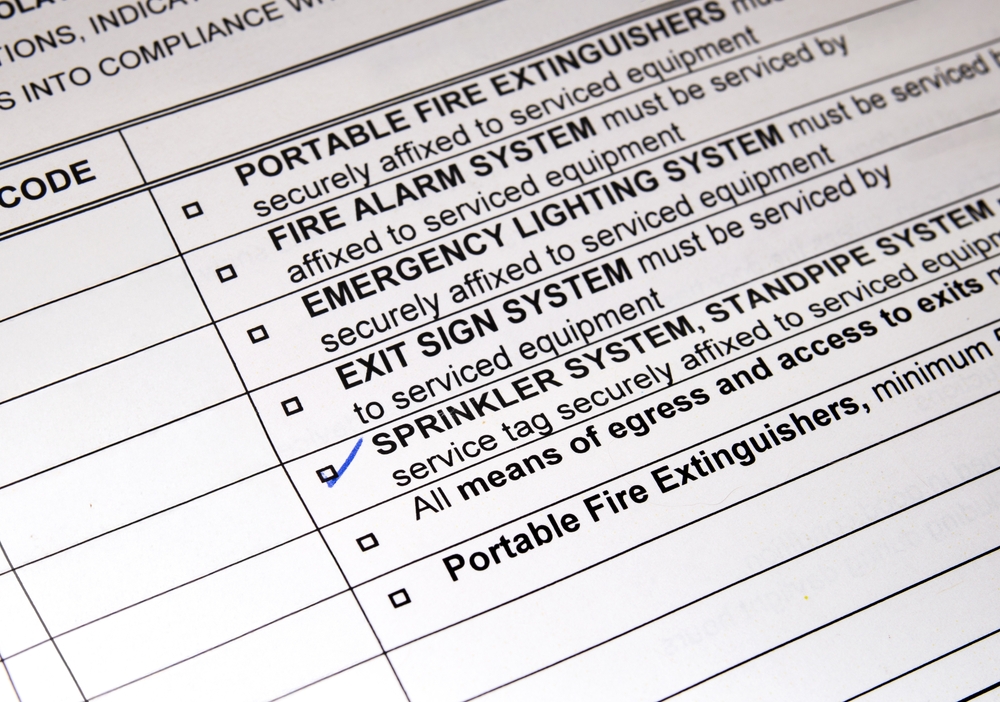
During this walkthrough, inspectors look for a wide range of hazards, including blocked exits, faulty wiring, improper storage of flammable materials, outdated fire extinguishers, and non-functional fire alarms or sprinkler systems. They will also verify that emergency lighting is operational, and that any fire safety systems are properly maintained and tested according to their scheduled requirements.
If violations are found, the inspector will document them in a written report, sometimes accompanied by photographs. Property owners will be given a timeframe to correct these deficiencies and schedule a re-inspection to ensure compliance. In more serious cases where an imminent hazard is present, the inspector has the authority to order immediate remedial action or even close the facility until the danger is addressed.
It is essential to recognize that the inspection process is not meant to punish but to protect. Fire inspectors in Garden City are trained professionals who can answer questions and offer guidance on how to meet safety codes effectively and efficiently.
Preparing for a Fire Inspection in Garden City
Preparation is key to ensuring a smooth and successful fire inspection. Business owners and residents in Garden City should adopt a proactive mindset about fire prevention rather than treating it as a one-time event. This means performing routine self-inspections using a checklist based on local fire codes and the International Fire Code.
Some important steps to prepare for an inspection include keeping fire extinguishers serviced and easily accessible, ensuring all emergency exits are clear and well-marked, maintaining exit lighting, and testing fire alarms regularly. Property owners should also store flammable materials safely and in accordance with manufacturer recommendations, and ensure that sprinkler systems are inspected by licensed professionals on their required schedule.
Training staff on fire safety protocols is another crucial part of preparation. Employees should know how to evacuate the building, where fire extinguishers are located, and how to respond in the event of a fire emergency. These elements not only help during a fire inspection but could be life-saving in a real emergency.
When the inspector arrives, having all relevant documentation ready — including records of fire system maintenance, emergency plans, and employee training logs — will streamline the process. Inspectors appreciate when property owners are organized and demonstrate a commitment to fire safety, as this helps build trust and collaborative relationships.
Key Components of a Fire Inspection
While each inspection is unique depending on the building type and occupancy, there are several key components that are almost always part of a fire inspection in Garden City.
First, inspectors will check egress — the ability of occupants to exit the building safely during an emergency. This involves evaluating whether doors open freely, whether exit paths are clear, and if signage is appropriate and visible.
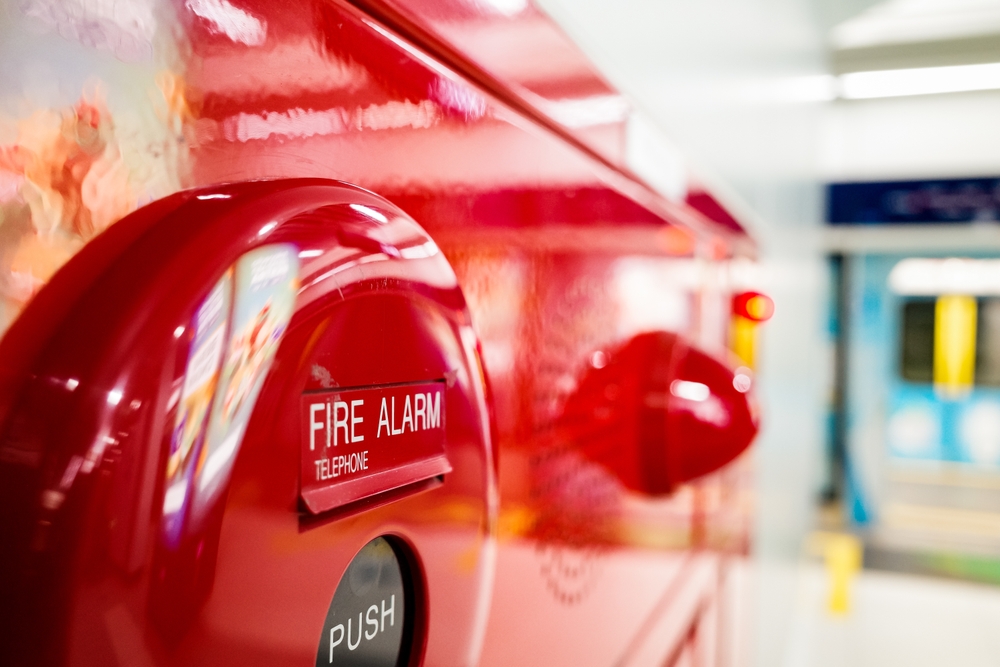
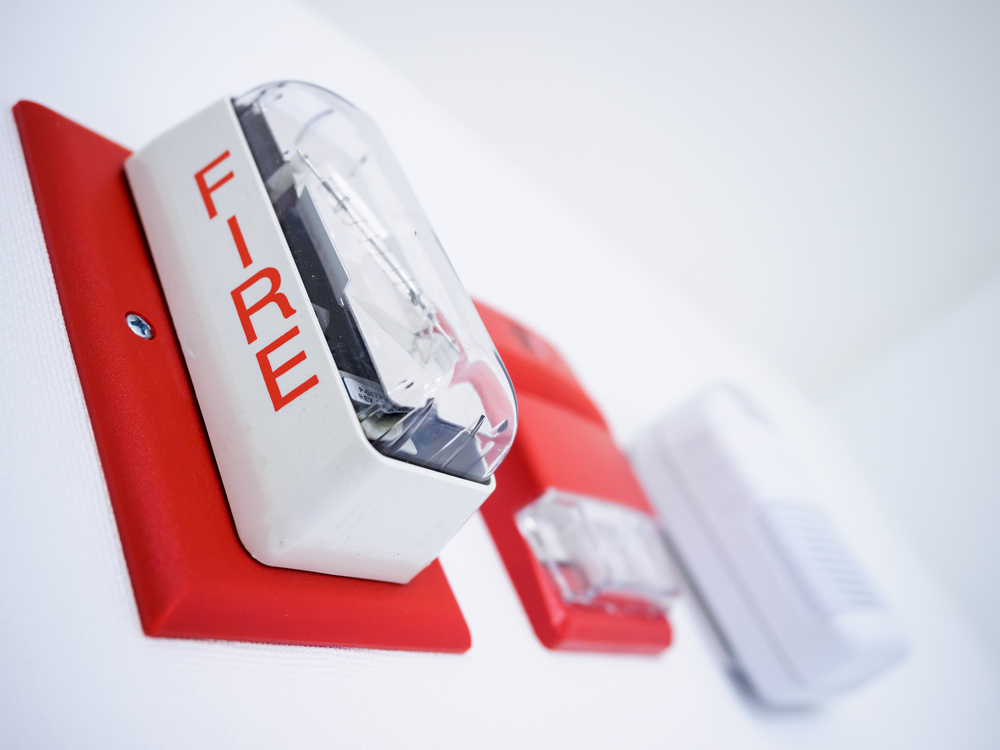
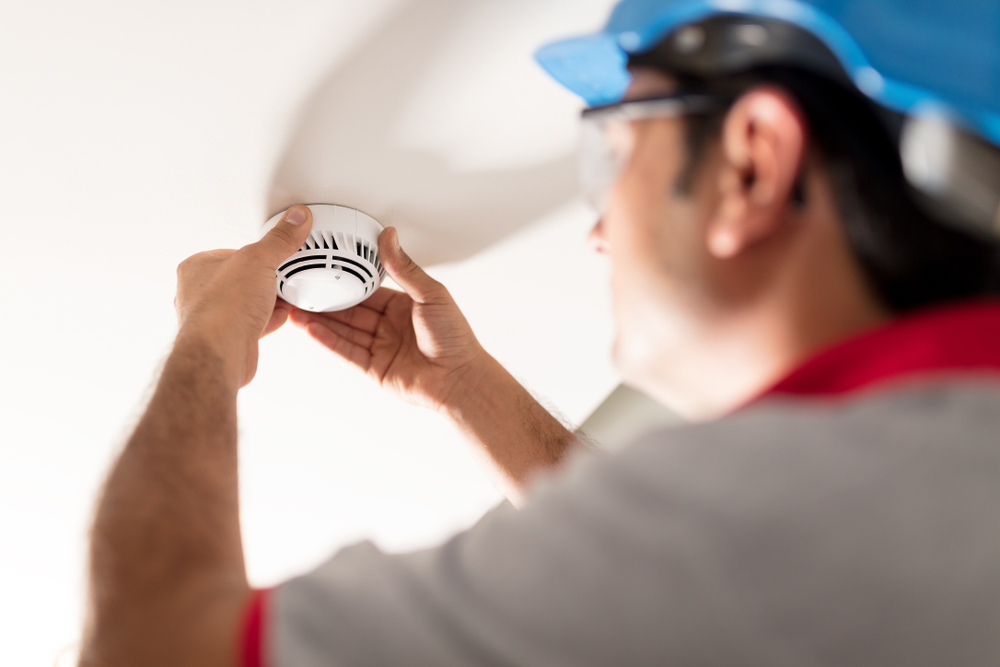
Next, fire detection and suppression systems will be examined. This includes fire alarms, smoke detectors, sprinkler systems, and standpipes, all of which must be in working order and have current inspection tags or documentation to verify their service status.
Electrical systems are another major area of focus, as outdated or overloaded circuits pose significant fire hazards. Inspectors will review wiring, panel conditions, and sometimes even extension cord use.
Storage of hazardous materials, including chemicals and combustible goods, will be carefully assessed to ensure they are secured in safe, approved containers away from ignition sources.
Finally, inspectors will review fire prevention documentation, such as emergency plans, evacuation maps, and staff fire drill records, to verify that fire safety practices are not just physical but procedural.
All of these steps together create a robust framework to protect lives and property throughout Garden City, reinforcing why fire inspections are such a critical element of local fire prevention.
The Impact of Fire Inspections on Garden City’s Community Safety
The long-term impact of regular and thorough fire inspections is profound. In Garden City, the success of the fire inspection program is evident in its historically low incidence of major fires, which can be directly linked to the proactive efforts of both inspectors and responsible property owners.
Fire inspections act as an essential line of defense against tragedy, giving the fire department and community members confidence that buildings are safe for occupancy. They also improve community resilience because fewer fires mean fewer disruptions to the local economy, less displacement of residents, and reduced strain on emergency services.
Beyond immediate safety, fire inspections help drive a broader culture of fire prevention. Residents and business owners become more aware of their responsibilities and more invested in fire safety, leading to a shared sense of accountability and vigilance that benefits everyone. The educational component of inspections, where inspectors advise on best practices, is particularly effective in promoting long-term behavioral change.
This culture of safety is a major asset for Garden City, enhancing its reputation as a secure and welcoming place to live and do business. Insurance providers may also look favorably on communities with strong fire prevention programs, potentially resulting in lower premiums for property owners who maintain high standards of fire safety compliance.
A Community Committed to Fire Safety
The fire inspection process in Garden City is more than just a legal requirement — it is a cornerstone of the community’s dedication to protecting life, property, and economic stability. By understanding what to expect during an inspection, from preparation through follow-up, residents and business owners can build stronger partnerships with local fire officials and actively participate in the fire prevention mission.
Fire inspections are designed to help, not hinder, and those who view them as opportunities rather than obstacles will find the process easier and more productive. With consistent attention to fire safety, a cooperative mindset, and a clear understanding of local regulations, every stakeholder in Garden City can contribute to a safer, more resilient community.
Whether you manage a bustling commercial space downtown or live in a quiet residential neighborhood, the principles of fire prevention apply equally — and with the guidance of the Garden City Fire Department, you can rest assured that your property is prepared for the unexpected. Investing time and effort into maintaining fire safety standards is not only good practice but a vital contribution to a thriving and secure Garden City.
Need Life Safety Products In Garden City, KS?
There are various forms of personal protection. We offer fire safety and fire prevention equipment including fire extinguishers, and we service them, too. Business owners throughout Southwest Kansas should know what types of personal protection or fire safety equipment is necessary to suit the needs of their business. Rather than struggling with purchasing decisions, discuss with our consultants from C.F. Fire & Life Safety and let us guide you through the logistics. Based in Liberal, KS, C.F. Fire & Life Safety, is your destination for personal protection, fire safety, fire prevention, and fire extinguisher services throughout Southwest Kansas. Contact us today to learn more about what we can do for you!
Fire is one of the most devastating risks to property, with the potential to cause irreparable harm to homes, businesses, and infrastructure. For this reason, fire prevention systems have become essential components in both residential and commercial buildings. These systems do more than just protect property and lives—they also play a significant role in reducing insurance premiums. Insurance companies assess risk based on a variety of factors, and fire safety measures are high on that list. When a structure is adequately protected against fire hazards, the perceived risk is lower, and insurers are more likely to offer fire prevention savings to policyholders.
In today’s risk-conscious world, the integration of fire prevention systems is not only a safety imperative but also a financially strategic decision. From smoke detectors and sprinkler systems to comprehensive fire suppression systems and alarm integrations, these technologies can significantly impact the bottom line for property owners. Understanding how these systems contribute to insurance premium reduction is crucial for both homeowners and business operators seeking to maximize safety and minimize costs.
Understanding Fire Risk and Insurance Assessment
Insurance providers operate on the principle of risk assessment. The higher the risk of a claim, the higher the premium charged to the policyholder. Fire poses a particularly severe risk due to its destructive nature and the costs involved in recovery. As such, buildings without adequate fire prevention systems are seen as high-risk, which translates into higher insurance premiums. Conversely, when a building is equipped with modern fire safety systems, insurance companies recognize the reduced likelihood of severe fire damage and reward policyholders accordingly.
The underwriting process takes into account multiple elements such as the type of fire prevention system installed, the age and maintenance records of the equipment, and the building’s overall safety protocols. For instance, a commercial facility with regularly serviced sprinkler systems, fire alarms, and automatic suppression systems is seen as far less risky compared to a similar structure without these protections. This direct correlation between risk mitigation and premium rates underscores the importance of investing in comprehensive fire safety solutions.
Types of Fire Prevention Systems and Their Impact
Fire prevention systems can be broadly categorized into detection, suppression, and evacuation facilitation technologies. Each category plays a role in reducing the potential impact of a fire and consequently, the insurance premiums.
Detection systems include smoke detectors, heat sensors, and fire alarms. These devices provide early warning, enabling occupants to respond quickly, evacuate safely, and potentially suppress a small fire before it escalates. Insurers recognize the value of early detection and often provide discounts for properties with modern, interconnected alarm systems that are regularly tested and maintained.
Suppression systems, such as automatic sprinkler systems and chemical suppression agents, directly combat the spread of fire. These systems are especially important in commercial environments where a fire could lead to massive operational and financial losses. Insurers typically offer significant fire prevention savings to facilities with state-of-the-art suppression systems, particularly those that are integrated with central monitoring services.
Evacuation facilitation includes emergency lighting, fire exits, and escape route signage. While these features primarily serve to protect lives, their presence also indicates a proactive approach to fire safety, which can favorably influence insurance rates. A well-designed and maintained evacuation infrastructure reassures insurers that the risk to human life is minimized, reducing potential liabilities and encouraging lower premiums.
Regulatory Compliance and Fire Safety Incentives
Fire safety regulations vary depending on the jurisdiction, but most require a baseline level of fire protection in buildings. Meeting and exceeding these regulatory standards not only ensures legal compliance but also positions property owners for insurance benefits. Insurers often evaluate whether a property simply meets the minimum requirements or goes above and beyond to mitigate risk.
Properties that exceed basic regulatory standards—such as those with enhanced fire safety training for employees, detailed evacuation drills, or high-tech fire prevention systems—are viewed more favorably by insurance underwriters. This perception translates into tangible fire prevention savings in the form of reduced premiums or deductible incentives. In some cases, insurers may offer grants or rebates to assist in upgrading fire prevention infrastructure, reinforcing the mutual benefit of risk mitigation.
Moreover, compliance with national and international standards like those set by the National Fire Protection Association (NFPA) or Underwriters Laboratories (UL) can further enhance a property’s insurability. Insurance companies trust these standards and use them as benchmarks for evaluating fire safety. When a building is certified to meet or exceed these standards, it sends a strong message about the owner’s commitment to minimizing fire-related risks.
Cost-Benefit Analysis: Fire Safety Investment vs. Insurance Savings
While the initial investment in fire prevention systems may seem substantial, the long-term benefits—particularly in terms of insurance savings—are undeniable. A comprehensive cost-benefit analysis reveals that installing effective fire safety systems often pays for itself over time. This is particularly true when factoring in not just the potential reduction in premiums, but also the avoidance of costly fire-related damages and business disruptions.
For residential properties, adding basic fire detection and suppression systems may result in modest but meaningful premium reductions. Homeowners can also benefit from increased property value and peace of mind. For commercial and industrial buildings, the impact is more significant. Large-scale operations with advanced fire prevention measures often enjoy insurance discounts of 10% or more, depending on the insurer and the extent of risk mitigation. These savings can amount to thousands of dollars annually, making the investment in fire safety systems a financially sound decision.
Additionally, many fire prevention technologies are becoming more affordable and accessible due to advances in smart building systems. Integration with digital platforms allows for real-time monitoring, automated alerts, and seamless maintenance scheduling—all of which contribute to enhanced safety and lower insurance premiums. As a result, property owners no longer have to choose between cost-efficiency and safety—they can achieve both.
Looking Ahead: The Future of Fire Safety and Insurance
The evolution of fire safety technology continues to shape the landscape of property insurance. As smart building technologies become more mainstream, insurers are beginning to incorporate data-driven assessments into their premium calculations. Real-time data from connected fire prevention systems offers unprecedented insights into a building’s risk profile, enabling more precise underwriting and personalized premium structures.
This trend is poised to accelerate, with insurers potentially offering dynamic pricing models based on live data feeds from fire safety equipment. For example, a building with active fire detection and suppression reporting zero maintenance issues and optimal functionality may be rewarded with lower monthly premiums in real time. This shift represents a new frontier in insurance risk management, where fire prevention savings become not just a static discount but a dynamic, performance-based incentive.
Moreover, increasing awareness of climate-related fire risks, especially in areas prone to wildfires, has highlighted the need for more robust fire safety measures. Insurance companies are becoming more selective in underwriting policies in high-risk regions, and properties with advanced fire prevention systems will have a clear advantage. In some cases, fire safety could determine insurability altogether, making these systems essential rather than optional.
Conclusion
Fire prevention systems are a critical component of any comprehensive risk management strategy. They not only protect lives and assets but also offer substantial financial benefits through reduced insurance premiums. As insurance companies continue to prioritize fire safety in their risk assessments, property owners who invest in effective prevention systems stand to gain both peace of mind and tangible economic advantages. The future of fire safety and insurance is increasingly intertwined, and those who proactively embrace this reality will be best positioned for long-term security and savings.
Need Life Safety Products In Garden City, KS?
There are various forms of personal protection. We offer fire safety and fire prevention equipment including fire extinguishers, and we service them, too. Business owners throughout Southwest Kansas should know what types of personal protection or fire safety equipment is necessary to suit the needs of their business. Rather than struggling with purchasing decisions, discuss with our consultants from C.F. Fire & Life Safety and let us guide you through the logistics. Based in Liberal, KS, C.F. Fire & Life Safety, is your destination for personal protection, fire safety, fire prevention, and fire extinguisher services throughout Southwest Kansas. Contact us today to learn more about what we can do for you!
As urbanization accelerates and climate change exacerbates the risk of wildfires and extreme weather events, fire safety has become a front-and-center concern across the globe. Traditional fire safety methods are rapidly being complemented—and sometimes replaced—by innovative technologies and approaches designed to reduce risk, protect lives, and preserve property in more proactive and efficient ways. In 2025, fire safety is poised for a significant transformation, driven by advancements in artificial intelligence, sustainable materials, and interconnected building systems. Whether you’re a safety professional, building manager, or technology enthusiast, understanding these 2025 fire safety trends can help you stay ahead of the curve and safeguard what matters most.
Smart Technology Is Reshaping Fire Detection and Response
One of the most exciting developments in the realm of 2025 fire safety trends is the widespread adoption of smart technology to enhance early detection and response times. Traditional smoke detectors, while essential, often rely on the presence of visible smoke or significant heat to trigger alarms. In contrast, modern intelligent systems leverage the Internet of Things (IoT), machine learning, and real-time data analysis to identify potential fire hazards before they escalate.
Smart detectors are now equipped with environmental sensors that can detect changes in air quality, carbon monoxide levels, humidity, and even volatile organic compounds (VOCs), which may precede a fire event. These devices communicate wirelessly with centralized control systems, providing detailed diagnostics that can pinpoint the origin of the risk and alert both building occupants and emergency services within seconds.
Moreover, the integration of AI-driven algorithms allows for predictive analytics that anticipate fire outbreaks based on historical and environmental data. For instance, commercial buildings equipped with smart fire suppression systems can analyze daily activity patterns and optimize sprinkler deployment or gas suppression in real-time, reducing water damage and response delays.
Advanced Materials and Fire-Resistant Designs
Innovations in fire safety are also being driven by the materials used in construction and product design. A notable trend for 2025 is the increased use of fire-resistant, sustainable materials in both commercial and residential buildings. This movement is aligned with the global push for eco-friendly construction, but it doesn’t sacrifice safety for sustainability.
New generation materials like intumescent coatings—which swell when exposed to heat, forming an insulating barrier—and fiber-reinforced polymers with embedded flame retardants are revolutionizing the way architects and engineers think about fireproofing. These materials are not only lighter and more cost-effective but also offer improved fire resistance without the toxic chemicals that characterized older fire-retardant treatments.
Additionally, modular construction techniques are benefiting from prefabricated components that meet high fire safety standards right off the production line. These pre-engineered components are rigorously tested under extreme conditions and are often certified for multi-hour fire ratings, allowing for faster, safer building processes and increased resilience during emergencies.
Wildfire Defense and Community-Scale Innovations
The rising threat of wildfires, particularly in regions like the American West, Australia, and parts of Europe, has made community-scale fire safety a critical area of innovation. One of the most groundbreaking 2025 fire safety trends is the implementation of proactive wildfire defense systems that go beyond reactive firefighting.
Smart wildfire detection platforms now use satellite imagery, drones, and ground sensors to monitor large landscapes for heat anomalies, smoke plumes, and wind shifts. These tools provide authorities with early warnings, allowing for faster evacuation decisions and better deployment of firefighting resources. Combined with AI mapping systems, municipalities can model fire paths and identify the most vulnerable zones in real-time.
Another critical development is the use of defensible space automation. In fire-prone residential areas, robotic landscaping equipment and irrigation systems are being used to clear brush, maintain firebreaks, and hydrate the environment on-demand. These automated systems work continuously, often powered by solar energy, to reduce fuel loads and create protective barriers that slow or prevent fire spread.
Furthermore, fire-resilient urban planning is gaining traction. Communities are adopting stricter building codes, enforcing setbacks, and introducing fire-resistant community infrastructure such as steel utility poles and underground power lines. These strategies demonstrate that innovations in fire safety are not confined to individual structures but extend to how entire communities prepare for and mitigate the effects of wildfires.
Integration with Smart Cities and Building Systems
As cities grow smarter and more connected, fire safety systems are evolving into integrated networks that align with broader smart city goals. In 2025, one of the most compelling innovations in fire safety is the convergence of building information modeling (BIM), digital twins, and city-wide emergency management platforms.
Digital twin technology, which creates real-time virtual replicas of physical buildings or infrastructure, is increasingly used in fire safety planning and response. These digital models allow fire marshals and emergency responders to visualize fire progression, simulate evacuation scenarios, and strategize responses without ever setting foot in the actual location. During emergencies, these models are updated with sensor data to offer dynamic guidance and situational awareness.
Smart city infrastructure also enables coordinated traffic signal control for emergency vehicles, ensuring quicker access to incident sites. Integrated public alert systems, capable of targeting notifications based on GPS location, are being used to inform citizens in real time of potential fire hazards and evacuation instructions.
Inside buildings, fire safety systems are now designed to operate as part of a holistic building management system. HVAC, lighting, security, and fire control systems communicate with each other to manage airflow during a fire, unlock escape routes, and prevent panic through voice-activated alerts. These integrated systems reduce human error and offer a more cohesive response during crises.
Regulatory and Cultural Shifts Supporting Innovation
While technology plays a pivotal role in shaping the future of fire safety, regulatory frameworks and public awareness campaigns are just as critical in making these innovations mainstream. In 2025, forward-thinking jurisdictions are updating fire safety codes to accommodate new technologies and building practices. This includes approving novel materials, mandating smart detectors in high-occupancy structures, and providing incentives for green building designs that meet strict fire safety criteria.
Insurance companies are also encouraging adoption of cutting-edge safety tools by offering reduced premiums to buildings that implement AI-based monitoring, smart sprinklers, or fire-resistant materials. These financial incentives reflect a growing understanding that prevention and early intervention are more cost-effective than traditional fire damage claims.
From a cultural standpoint, fire safety education is being modernized to resonate with digital-native generations. Virtual reality training modules and interactive mobile apps are being introduced in schools and workplaces to teach fire prevention, evacuation drills, and first-aid in immersive, engaging ways. This new wave of education ensures that fire safety is not just the responsibility of specialists, but a shared societal value embraced by individuals of all ages.
At the policy level, collaboration between public and private sectors is crucial for fostering innovation. Governments are partnering with tech companies, startups, and academic institutions to fund research, develop standards, and launch pilot programs. These partnerships ensure that innovations in fire safety continue to evolve, tested not only in labs but in real-world environments where lives are truly on the line.
Conclusion
The landscape of fire safety is undergoing a radical transformation. Driven by emerging technologies, sustainable design, and a more integrated societal approach, the 2025 fire safety trends represent a shift from reactive protection to proactive prevention. Innovations in fire safety are redefining how we build, live, and protect our communities—from smart detection systems and wildfire defense to regulatory evolution and digital twin modeling.
Staying informed about these trends is more than a professional responsibility; it’s a civic imperative. Whether you’re in construction, property management, public safety, or simply a concerned citizen, understanding the future of fire safety means you’re better prepared to contribute to a safer, more resilient world. As the flames of risk continue to rise in complexity and intensity, our response must be equally sophisticated, smart, and forward-thinking.
Need Life Safety Products In Garden City, KS?
There are various forms of personal protection. We offer fire safety and fire prevention equipment including fire extinguishers, and we service them, too. Business owners throughout Southwest Kansas should know what types of personal protection or fire safety equipment is necessary to suit the needs of their business. Rather than struggling with purchasing decisions, discuss with our consultants from C.F. Fire & Life Safety and let us guide you through the logistics. Based in Liberal, KS, C.F. Fire & Life Safety, is your destination for personal protection, fire safety, fire prevention, and fire extinguisher services throughout Southwest Kansas. Contact us today to learn more about what we can do for you!
Businesses across Kansas, particularly those operating in industries where hazardous chemicals or materials are involved, must adhere to specific health and safety regulations. One of the critical safety measures for protecting employees in these environments is the installation of properly functioning eye-wash stations. These stations are required by law to provide immediate and effective eye irrigation in case of chemical exposure or other contaminants. However, when a business fails to pass its eye-wash station inspection, the consequences can be far-reaching, affecting not only employee safety but also the business’s compliance standing, financial health, and reputation.
The Importance of Eye-Wash Stations in Kansas Workplaces
Eye-wash stations are critical safety devices in workplaces that use chemicals, solvents, or other hazardous materials that could potentially cause serious eye injuries. These stations are designed to provide immediate relief by flushing harmful substances from the eyes, helping to prevent long-term damage and even permanent blindness. The Occupational Safety and Health Administration (OSHA) and the American National Standards Institute (ANSI) set strict guidelines for eye-wash stations in the workplace, outlining the required specifications and maintenance procedures.
In Kansas, businesses that use hazardous chemicals, especially those involved in manufacturing, laboratories, or cleaning industries, are mandated to provide these safety features as part of their workplace safety protocols. The state, in compliance with federal OSHA regulations, expects businesses to meet the necessary standards for eye-wash station functionality, positioning, and maintenance.
Legal and Regulatory Implications of Failing an Eye-Wash Station Inspection
When a business in Kansas fails to pass its eye-wash station inspection, the legal and regulatory consequences can be severe. The most immediate consequence is a citation from OSHA or local authorities for non-compliance with safety regulations. These citations can carry hefty fines and penalties, depending on the severity of the violation. The failure to meet OSHA’s standards for eye-wash stations could be considered a serious or even willful violation, leading to more significant financial penalties.
In addition to monetary fines, businesses that fail eye-wash station inspections may face increased scrutiny during subsequent inspections. Repeat violations or a pattern of non-compliance could lead to more substantial penalties and a higher likelihood of facing legal actions, including lawsuits from employees who may have been harmed due to the lack of proper safety equipment.
It’s essential for businesses to not only comply with these safety standards but to maintain a record of inspections, repairs, and any modifications made to the eye-wash stations. Failure to document these efforts could complicate matters during inspections and investigations, further increasing the risk of legal consequences.
Impact on Employee Health and Safety
The most pressing consequence of a failed eye-wash station inspection is the direct impact on employee health and safety. In the event of a chemical splash or irritant exposure to the eyes, the lack of a functional eye-wash station could lead to severe injury. Depending on the substance involved, prolonged exposure without proper eye irrigation can cause irreversible damage to the cornea, leading to permanent vision impairment or blindness.
Employees who suffer from injuries due to non-functional eye-wash stations may also experience long-term health issues that affect their quality of life. Additionally, the mental and emotional toll of a workplace injury can negatively impact an employee’s morale and productivity. If the injury is severe enough, it could result in prolonged absence from work, and in some cases, permanent disability.
Furthermore, in the event of an injury, the employer could face workers’ compensation claims. These claims can be costly, especially if the injury is a direct result of a failure to maintain proper safety equipment, such as eye-wash stations. Workers’ compensation claims, legal disputes, and the potential for employees to seek compensation through lawsuits can put significant financial strain on a business.
Financial Repercussions of Failing to Pass an Eye-Wash Station Inspection
In addition to the immediate fines and penalties imposed by regulatory bodies, the financial repercussions of a failed eye-wash station inspection can extend much further. The cost of maintaining an eye-wash station inspection schedule and repairing or upgrading faulty equipment can be considerable. However, when a business fails to meet compliance standards, it risks much higher financial consequences.
First, the cost of fines and penalties can be substantial. OSHA violations can range from a few hundred dollars for minor infractions to tens of thousands of dollars for more serious violations. For instance, a serious violation, such as failing to meet eye-wash station requirements, could lead to fines of up to $13,653 per violation. If the violation is deemed willful or repeated, the fine could increase to as much as $136,532. This level of financial penalty can significantly harm a business’s bottom line, particularly for smaller companies that may already be operating on tight margins.
Beyond direct fines, the cost of managing an injury or illness that could have been prevented with a functioning eye-wash station can add up quickly. Medical bills, workers’ compensation claims, and potential lawsuits can all contribute to substantial financial losses. The costs related to employee downtime, insurance premiums, and possible reputational damage can further impact a business’s financial stability.
Damage to Business Reputation and Consumer Trust
Beyond the legal and financial consequences, failing an eye-wash station inspection in Kansas can severely damage a business’s reputation. In today’s world, consumers and employees alike are increasingly conscious of workplace safety standards and corporate responsibility. A business that is cited for failing to meet safety regulations may find its reputation tarnished in the eyes of the public and its workforce.
For businesses that operate in industries with high exposure to hazardous materials, such as manufacturing, chemicals, or research, safety violations can be especially damaging. News of a failure to comply with safety regulations can spread quickly, especially in a tightly knit industry or community. Negative publicity can drive away potential customers and clients, while talented workers may look for safer environments to work in. In some cases, a poor safety record could make it difficult for businesses to attract new employees or maintain a loyal workforce.
When businesses fail to maintain eye-wash stations that meet regulatory standards, it can raise questions about their overall commitment to worker safety and well-being. This can have long-lasting effects on the trust customers place in the business, which can, in turn, lead to reduced sales, partnerships, and business opportunities.
Long-Term Consequences and Preventative Measures
The long-term consequences of failing an eye-wash station inspection in Kansas can be significant, but they are not inevitable. Businesses that take proactive steps to ensure that their eye-wash stations are properly installed, maintained, and inspected can avoid the majority of these risks. By regularly testing the equipment, keeping detailed records of maintenance, and ensuring that employees are trained in emergency procedures, businesses can maintain compliance and protect their workforce.
Regular eye-wash station inspections are not only a legal requirement but a moral obligation for businesses that operate in hazardous environments. By investing in safety measures and taking the time to ensure that all equipment is functioning correctly, businesses can avoid the potentially severe consequences of a failed inspection. This proactive approach can help safeguard employee health, maintain compliance with Kansas regulations, and protect the business’s reputation and financial health.
Conclusion
Failing to pass an eye-wash station inspection in Kansas can have serious consequences for businesses, including legal penalties, financial losses, and reputational damage. These outcomes underscore the importance of maintaining a safe working environment by ensuring that all safety equipment, including eye-wash stations, meets regulatory standards. Through diligent attention to safety and compliance, businesses can mitigate risks and ensure the well-being of their employees.
Need Life Safety Products In Garden City, KS?
There are various forms of personal protection. We offer fire safety and fire prevention equipment including fire extinguishers, and we service them, too. Business owners throughout Southwest Kansas should know what types of personal protection or fire safety equipment is necessary to suit the needs of their business. Rather than struggling with purchasing decisions, discuss with our consultants from C.F. Fire & Life Safety and let us guide you through the logistics. Based in Liberal, KS, C.F. Fire & Life Safety, is your destination for personal protection, fire safety, fire prevention, and fire extinguisher services throughout Southwest Kansas. Contact us today to learn more about what we can do for you!
In the event of a fire, every second counts. A smoke detector is often the first line of defense, alerting inhabitants to danger before flames and smoke spread uncontrollably. For this reason, ensuring that smoke detectors function correctly is a crucial aspect of home and business fire prevention plans. While many people rely on their smoke detectors to provide timely warnings, one factor that is frequently overlooked is the sensitivity of these devices. Over time, smoke detectors can lose their sensitivity due to factors like dust buildup, aging components, or poor maintenance, potentially putting lives at risk. Smoke detector sensitivity testing is a simple yet vital procedure that helps ensure these life-saving devices perform optimally. Understanding the significance of this testing and how it contributes to fire prevention can go a long way in enhancing safety within homes and businesses.
What is Smoke Detector Sensitivity Testing?
Smoke detector sensitivity testing is the process of assessing a smoke alarm’s response to smoke and other environmental conditions. The goal of sensitivity testing is to ensure that the detector can properly identify smoke or other indicators of fire and alert the occupants in a timely manner. While smoke detectors are generally reliable, various factors can affect their performance over time, including the accumulation of dust or cobwebs inside the device, the aging of the sensor components, or environmental conditions such as humidity and temperature.
Testing involves using a specific aerosol or smoke test that simulates smoke or other potential fire indicators. By exposing the smoke detector to this test smoke, technicians can gauge the alarm’s response time and functionality. In many cases, sensitivity testing can be done in intervals, typically every six months or as recommended by the manufacturer, to ensure that the detectors are still working at their optimal sensitivity levels.
Why Sensitivity Testing is Crucial for Fire Prevention
One of the core principles of fire prevention is early detection. Smoke detectors serve as the primary means of alerting people to smoke or fire in their environment. However, if a detector is too sensitive, it might trigger false alarms in non-threatening situations, such as when cooking or during high humidity. On the other hand, a detector with low sensitivity may fail to trigger an alarm when it is most needed, allowing a fire to grow before the inhabitants are aware of the danger.
Regular sensitivity testing helps ensure that smoke detectors remain at the right level of sensitivity—neither too sensitive nor too slow to detect a fire. In homes and businesses, the consequences of a malfunctioning smoke detector can be dire. A missed alarm in the early stages of a fire can lead to delayed evacuation and increased exposure to harmful smoke and heat. By ensuring that smoke detectors are sensitive to the appropriate levels of smoke, the risk of overlooking critical early warning signs is greatly reduced, thereby enhancing overall fire safety.
The Impact of Poor Maintenance on Smoke Detector Sensitivity
Poor maintenance is one of the leading causes of smoke detector malfunction. Many people install smoke detectors and then forget about them, neglecting regular testing and upkeep. Over time, dust, dirt, and other debris can accumulate inside the detector, which can interfere with its ability to sense smoke effectively. When this happens, the smoke detector may become less responsive to actual smoke, increasing the likelihood of undetected fires.
In addition to dust buildup, certain environmental conditions, such as high humidity, extreme temperatures, or chemical exposure, can also affect the performance of smoke detectors. For example, if a detector is installed in an area with high levels of moisture, such as a bathroom or kitchen, the humidity can impact the sensor’s ability to detect smoke. Similarly, extreme temperature fluctuations can cause the components of the smoke detector to deteriorate faster, leading to reduced sensitivity over time.
Testing smoke detectors for sensitivity on a regular basis helps identify any issues caused by poor maintenance or environmental factors. If a smoke detector fails the sensitivity test, it is typically cleaned or replaced to restore its functionality. Additionally, smoke detectors in areas prone to higher levels of dust or humidity may need to be cleaned more frequently to maintain optimal sensitivity.
Best Practices for Smoke Detector Sensitivity Testing
To ensure that smoke detectors continue to function correctly, it is important to follow recommended best practices for sensitivity testing. These best practices not only help preserve the effectiveness of the alarms but also contribute to better overall fire prevention. First and foremost, it is essential to follow the manufacturer’s guidelines for testing intervals. Most experts recommend testing smoke detectors at least once every six months. However, it is always beneficial to check them more frequently, particularly in homes with multiple people or in business environments where fire risks may be higher.
During testing, it is crucial to verify that each smoke detector is functioning correctly and that its sensitivity level is appropriate for the area in which it is installed. For example, in areas with frequent cooking, such as kitchens, smoke detectors should be tested to ensure they can differentiate between harmless smoke from cooking and the actual threat of a fire. The sensitivity of the detector may need to be adjusted or replaced if it responds too quickly to cooking fumes.
Another best practice is to replace batteries in smoke detectors regularly. Even though many modern smoke detectors have long-lasting batteries, it is still important to check them every year. Dead batteries are a common cause of malfunctioning smoke detectors and can result in missed alarms. Some detectors also come with a “low battery” alert, but it is better to replace the batteries proactively rather than waiting for the warning.
Finally, testing should be done with an appropriate aerosol or smoke simulator. Using actual fire or uncontrolled smoke is never safe or advisable. Instead, smoke testing products designed for this purpose can ensure that detectors respond in a controlled, safe environment. This can help identify potential weaknesses or failures in the alarm system before they ever become a real threat.
Smoke Detector Sensitivity Testing and Fire Prevention Tips
Incorporating smoke detector sensitivity testing into a broader fire prevention strategy can significantly improve safety. Regularly tested smoke detectors are just one component of an effective fire prevention plan, but they play a pivotal role in ensuring that people have adequate time to evacuate in case of a fire. Combining these tests with other fire prevention tips can create a comprehensive approach to minimizing fire risks.
One of the most important fire prevention tips is to have smoke detectors installed in all areas of a building, particularly in sleeping quarters, hallways, and near kitchens. Detectors should not be placed too close to areas where steam or smoke from cooking may regularly trigger false alarms, such as directly above the stove. Additionally, fire extinguishers should be easily accessible in key areas, and escape routes should be clearly marked and free of obstructions.
Another essential fire prevention tip is to educate all family members or employees on fire safety procedures, including how to react to a smoke alarm. Practice fire drills regularly, ensuring that everyone is familiar with the quickest and safest evacuation routes. Fire prevention also involves proper electrical maintenance, keeping flammable materials away from heat sources, and ensuring that all equipment is up to code.
Lastly, it’s crucial to keep fire alarms in working order. This includes not only sensitivity testing but also making sure the alarms are up to date, properly calibrated, and that replacement is done at the appropriate intervals. Smoke detectors typically have a lifespan of 8-10 years, after which they should be replaced entirely. As technology advances, many modern smoke detectors come equipped with additional features like carbon monoxide detection, adding another layer of protection to homes and businesses.
Conclusion
Smoke detector sensitivity testing plays a vital role in fire prevention by ensuring that smoke alarms respond to real fire threats while minimizing the risk of false alarms. Regular testing, cleaning, and maintenance are essential for keeping detectors functioning optimally. When combined with other fire prevention measures, such as installing detectors in the right locations, educating those in the home or workplace, and practicing emergency procedures, sensitivity testing helps ensure that a smoke detector continues to fulfill its life-saving role. Ultimately, a small investment in regular testing and maintenance can make the difference between life and death in a fire emergency, emphasizing the importance of taking proactive steps toward fire safety.
Need Life Safety Products In Garden City, KS?
There are various forms of personal protection. We offer fire safety and fire prevention equipment including fire extinguishers, and we service them, too. Business owners throughout Southwest Kansas should know what types of personal protection or fire safety equipment is necessary to suit the needs of their business. Rather than struggling with purchasing decisions, discuss with our consultants from C.F. Fire & Life Safety and let us guide you through the logistics. Based in Liberal, KS, C.F. Fire & Life Safety, is your destination for personal protection, fire safety, fire prevention, and fire extinguisher services throughout Southwest Kansas. Contact us today to learn more about what we can do for you!