Amarillo, Texas, is no stranger to the dramatic shifts in weather that each season brings. From dry, windy summers to chilly, furnace-reliant winters, each season presents its own set of fire risks that can jeopardize homes, lives, and property. Fire prevention is a year-round responsibility, and Amarillo residents need to remain vigilant to keep their families and neighborhoods safe. Whether it’s practicing summer fire prevention or preparing for winter fire hazards, being aware of the risks and taking the appropriate precautions is essential for every household in the area.
This article explores the unique fire safety considerations that each season brings to Amarillo, providing practical advice that residents can follow to reduce the risk of fire and improve overall community safety. Let’s take a closer look at how to protect your home from fire throughout the year.
Spring Fire Safety: Preparing for Dry Conditions
Spring in Amarillo can be deceptive. While blooming flowers and warmer weather create an inviting atmosphere, the season also marks the beginning of increasing fire risk due to dry vegetation and gusty winds. As the snow from the winter months melts away and the temperatures begin to rise, dead vegetation becomes a potential fuel source for wildfires and home-based fires alike.
Homeowners should focus on cleaning up dry leaves, dead branches, and other debris that may have accumulated around the yard. This not only enhances curb appeal but also reduces the amount of flammable material that could ignite in the event of a nearby fire. It’s also wise to inspect outdoor grills and fire pits before their first use of the season, ensuring that gas lines are secure and no flammable materials are stored nearby. In Amarillo, where the winds can shift quickly and unpredictably, even a small spark can lead to a major fire incident if precautions are not taken.
Local fire departments often use spring to educate communities about fire preparedness, encouraging residents to review their home evacuation plans and check the functionality of smoke detectors. Spring cleaning can include a fire safety checklist: ensuring that fire extinguishers are charged and accessible, reviewing insurance policies for fire coverage, and trimming overgrown vegetation near the house. These tasks can significantly reduce the chance of a fire turning into a devastating loss.
Summer Fire Prevention: Combating Heat and Drought
The Texas Panhandle experiences some of its highest fire risks during the summer months. The combination of extreme heat, low humidity, and dry brush makes summer fire prevention an urgent priority for Amarillo residents. In recent years, grassfires have posed a growing threat to both rural and suburban areas, as lightning strikes, discarded cigarettes, and unattended barbecues have all sparked fires that spread rapidly.
Understanding the role of defensible space during the summer is vital. Residents should create a buffer zone between their homes and any flammable vegetation. Mowing the lawn regularly, removing dried-out plants, and keeping firewood and propane tanks at a safe distance from the home can all serve to reduce fire danger. Barbecue grills and outdoor cooking equipment should always be used at least 10 feet away from any structure, and should never be left unattended while in use.
July and August are especially critical months when outdoor activities peak. Fireworks, despite their festive appeal, have been the cause of numerous blazes in Amarillo during Independence Day celebrations. It’s important to follow all city ordinances regarding fireworks and consider attending public displays instead of hosting your own.
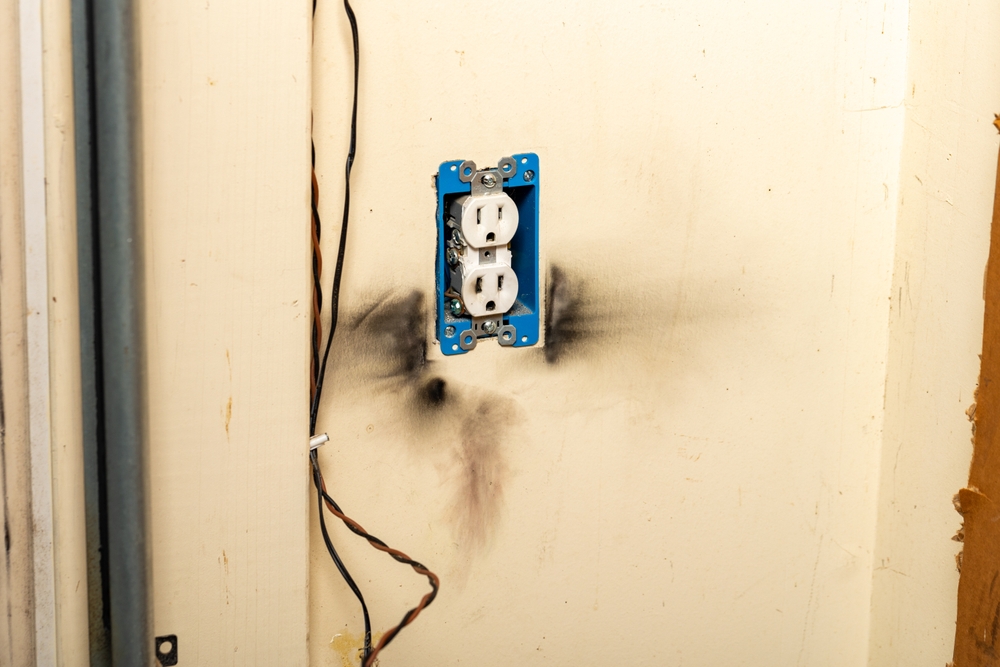
Additionally, many homeowners in Amarillo use air conditioning units extensively during the summer. Electrical fires can become a concern if systems are not properly maintained. Ensuring that wiring is up to code and that electrical systems are not overloaded can prevent malfunctions that might otherwise lead to fire. Summer fire prevention isn’t just about outdoor awareness—it extends to every plug and appliance in your home.
Fall Fire Awareness: Transitioning Safely into the Colder Months
Fall marks the transition from intense heat to cooler temperatures and is often considered a shoulder season when it comes to fire risk. However, this transitional period brings its own fire safety concerns. Dry leaves covering roofs, gutters, and lawns act as tinder for embers from fireplaces, fire pits, and even cigarette butts. Amarillo’s windy fall weather can easily turn a small fire into a widespread blaze if conditions are right.
Fireplaces and wood stoves become more commonly used during the fall. Before using them, it’s crucial to ensure that chimneys are clean and free of creosote buildup, which is highly flammable. Annual inspections and cleanings should be scheduled early in the season, before regular use begins. Portable heaters, another common source of heat as temperatures dip, should be inspected for damage and placed safely away from furniture, drapes, and other flammable materials.
Raking and properly disposing of leaves rather than burning them is another key aspect of fall fire safety. Leaf burning can quickly get out of hand, especially on dry, windy days. Instead, consider composting or bagging leaves for pickup. Always keep an eye on Amarillo’s local burn bans and air quality advisories during the fall months.
Autumn is also an ideal time to review and practice fire escape plans with all members of the household. As daylight hours decrease, ensure that outdoor lighting around exits is functional to assist in nighttime evacuations if necessary. Preparedness is an ongoing process, and fall offers a timely opportunity to reinforce fire safety routines before winter arrives.
Winter Fire Hazards: Staying Warm Without Risk
Winter in Amarillo is marked by a reliance on heating equipment, which is one of the leading causes of residential fires during the colder months. Winter fire hazards are especially concerning due to the increased use of space heaters, fireplaces, candles, and cooking appliances during holiday gatherings.
One of the most overlooked risks is the improper use of space heaters. These devices should always be kept at least three feet away from anything that can burn and should be plugged directly into wall outlets rather than extension cords. It’s also recommended to choose models with automatic shut-off features to prevent overheating or tipping accidents.
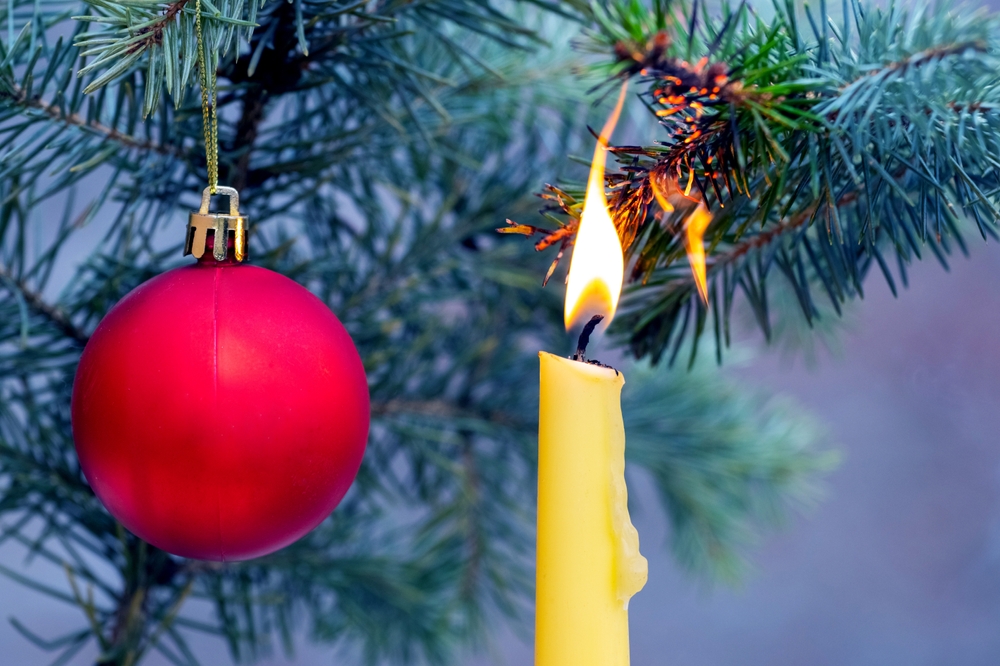
Candles, though charming during the holiday season, can become a serious fire hazard if left unattended. Consider using flameless LED candles as a safer alternative. If real candles are used, keep them in sturdy holders away from children, pets, and decorations. Christmas trees, both real and artificial, also need attention. Real trees should be kept well-watered, and all lights used for decorating should be certified for safety and checked for frayed wires or broken bulbs.
Kitchen fires increase during the winter holidays, as cooking becomes more frequent. Never leave stovetops unattended, and always turn pot handles inward to avoid accidental spills. Grease fires, in particular, should never be extinguished with water; instead, use a metal lid to smother the flames or a class B fire extinguisher.
Beyond indoor safety, Amarillo residents should take care with outdoor heating appliances like fire pits and patio heaters. Always ensure these are turned off and fully extinguished after use. Snow and ice may reduce visibility or mobility during a fire emergency, so keeping exits clear of obstructions is essential throughout the winter season.
Year-Round Fire Preparedness in Amarillo
Fire safety is not confined to any one season. In Amarillo, each time of year brings new fire-related challenges, and the best defense is a proactive, informed approach. Homeowners should view fire safety as a continuous cycle, adapting to the evolving risks of each season.
Testing smoke and carbon monoxide detectors regularly, keeping fire extinguishers in key areas like the kitchen and garage, and having clear evacuation routes are essential all year long. Educating all family members—including children—on what to do in the event of a fire helps to minimize panic and ensure swift action.
Staying updated on fire safety recommendations from local authorities can also make a significant difference. Amarillo’s fire department often issues seasonal alerts and tips that align with regional fire conditions. Following these guidelines not only protects individual homes but also supports the broader effort to keep entire neighborhoods safe.
Conclusion
Living in Amarillo means enjoying the beauty of all four seasons, but it also demands a vigilant approach to seasonal fire safety. From managing dry brush during the summer to mitigating winter fire hazards indoors, taking preventive steps throughout the year is essential. By understanding how fire risks change with the seasons and committing to regular safety practices, Amarillo residents can reduce the chance of fires and ensure a safer environment for everyone.
Whether it’s summer fire prevention or preparing for winter heating hazards, each effort you make contributes to a more fire-resilient home and community. Don’t wait for a fire to remind you of what could have been done—act today and stay safe all year long.
Need Life Safety Products In Garden City, KS?
There are various forms of personal protection. We offer fire safety and fire prevention equipment including fire extinguishers, and we service them, too. Business owners throughout Southwest Kansas should know what types of personal protection or fire safety equipment is necessary to suit the needs of their business. Rather than struggling with purchasing decisions, discuss with our consultants from C.F. Fire & Life Safety and let us guide you through the logistics. Based in Liberal, KS, C.F. Fire & Life Safety, is your destination for personal protection, fire safety, fire prevention, and fire extinguisher services throughout Southwest Kansas. Contact us today to learn more about what we can do for you!
Fire hazards are a serious concern for homeowners everywhere, and Seward County, KS is no exception. Home safety depends on awareness, prevention, and timely action. Every year, fires cause injuries, property damage, and sometimes tragic loss of life. The good news is that with the right fire prevention tips, families can drastically reduce their risk. This article explores some of the most common fire hazards in Seward County homes and offers practical strategies to keep households safe.
Kitchen-Related Fire Hazards
The kitchen is the most common area where fires start. In Seward County, like many communities, cooking-related fires are a top concern for fire departments. Grease buildup, unattended stoves, and flammable items left near heat sources all contribute to this risk. Many homeowners underestimate how quickly a pan of oil can ignite or how easily a dish towel can catch fire when placed too close to a burner.
Home safety in the kitchen starts with vigilance. Never leave cooking unattended, even for a short moment. If you must step away, turn off the stove. Keep combustibles such as towels, oven mitts, and paper products at a safe distance from heat. Regularly cleaning ovens, stovetops, and vent hoods reduces grease buildup, which is highly flammable. It is also wise to keep a small fire extinguisher in the kitchen and ensure all household members know how to use it.
Another critical fire prevention tip involves appliances. Overloaded outlets and faulty wiring on toasters, coffee makers, or microwaves can spark a fire. Always unplug appliances when not in use and avoid daisy-chaining extension cords. In Seward County, where older homes may still have outdated wiring, scheduling an electrical inspection provides peace of mind that kitchen appliances will not become hidden fire hazards.
Electrical and Heating Equipment Risks
Electrical and heating systems account for a large percentage of residential fires. Space heaters, particularly in cold Kansas winters, are convenient but hazardous if misused. Placing them too close to bedding, curtains, or furniture creates a dangerous situation. Likewise, running space heaters for long periods without monitoring increases the chance of overheating.
Home safety experts recommend keeping at least three feet of clearance around space heaters. Modern heaters often have automatic shutoff features when tipped over, but older units may lack these protections. Families in Seward County should consider upgrading to newer models to enhance fire prevention.
Wiring issues are another hidden risk. Frayed cords, overloaded power strips, or outdated breaker panels can all spark fires. If lights flicker frequently, fuses blow often, or outlets feel warm to the touch, these are warning signs of potential electrical fire hazards. Scheduling regular maintenance checks by a licensed electrician helps address problems before they escalate.
Fire prevention tips for electrical safety include replacing old cords immediately, never running cords under rugs, and limiting how many devices plug into one outlet. In households with children or pets, using outlet covers can also prevent accidental damage that may lead to sparks or fire.
Fireplace and Chimney Hazards
Many Seward County homes enjoy fireplaces during colder months, but these charming features come with risks. Chimneys that are not cleaned regularly accumulate creosote, a highly flammable byproduct of burning wood. Creosote buildup is one of the leading causes of chimney fires. Even a small spark can ignite the deposits lining the chimney walls.
Proper fireplace maintenance is central to home safety. Annual inspections and cleanings by a certified chimney sweep reduce the likelihood of creosote ignition. Using only seasoned hardwoods for burning also minimizes buildup compared to softer or green woods that produce more smoke and residue. Homeowners should never burn trash, cardboard, or treated wood, as these release harmful chemicals and increase fire risk.
Screens or glass doors should always be in place to prevent sparks from escaping the fireplace. Additionally, ashes should be disposed of carefully. Even when they appear cool, ashes can retain heat for days. Storing them in a metal container outside the home ensures they do not ignite nearby combustibles. For Seward County families who frequently use fireplaces, following these fire prevention tips creates a safer environment without giving up the warmth and comfort of a fire.
Smoking Materials and Candles
Smoking materials remain a major contributor to residential fires. Cigarettes, cigars, and pipes can all ignite furniture, bedding, or carpets if not extinguished properly. In homes across Seward County, careless disposal of smoking materials poses a recurring danger. The risk increases significantly if smoking occurs indoors or in bedrooms.
The safest practice is to smoke outside and use deep, sturdy ashtrays. Water should be poured over cigarette butts before discarding them to ensure they are completely extinguished. For families striving for home safety, establishing designated outdoor smoking areas away from structures is an effective step.
Candles, while often used for ambiance or during power outages, present similar risks. An unattended candle can quickly ignite curtains, decorations, or wooden surfaces. Fire prevention tips include using candle holders that do not tip easily and keeping flames at least one foot away from flammable objects. Extinguishing candles before leaving a room or going to sleep is a must. Many Seward County residents are switching to battery-operated flameless candles, which provide the same warm glow without the fire hazards.
Outdoor and Seasonal Fire Hazards
Fire risks are not confined to the inside of the home. Outdoor hazards also contribute to house fires in Seward County. Barbecue grills, for instance, are popular during summer months but can ignite wooden decks or siding if placed too close to the house. Using grills at least ten feet away from any structure and never leaving them unattended ensures safer use. Checking for propane leaks before lighting a gas grill is another key fire prevention tip.
Seasonal decorations can also become dangerous. Holiday lights with frayed cords or overloaded outlets can spark fires both indoors and outdoors. Real Christmas trees, if not watered regularly, dry out quickly and become highly flammable. Residents should replace damaged light strings, use appropriate extension cords rated for outdoor use, and keep trees well-hydrated to improve home safety during festive months.
Yards filled with dry grass, leaves, or improperly stored firewood can also act as fuel for a fire. In windy Kansas conditions, a small spark can spread rapidly. Keeping yards clear of debris and storing firewood away from the home helps minimize outdoor fire hazards. For rural areas of Seward County where controlled burns are sometimes used, homeowners should always follow local guidelines and never conduct burns on windy days.
Conclusion
Fire hazards are a constant presence in households, but they are not unavoidable. By understanding where risks exist and applying simple fire prevention tips, Seward County residents can significantly reduce their chances of experiencing a devastating house fire. From kitchen safety and electrical precautions to maintaining fireplaces, extinguishing candles, and managing outdoor risks, every effort contributes to overall home safety.
The key is consistency. Fire prevention is not a one-time task but an ongoing commitment to awareness and maintenance. Families that incorporate these habits into daily routines create safer living environments for themselves and future generations. In Seward County, where community values and family life are deeply rooted, investing in fire safety ensures that homes remain places of comfort, not danger.
Need Life Safety Products In Garden City, KS?
There are various forms of personal protection. We offer fire safety and fire prevention equipment including fire extinguishers, and we service them, too. Business owners throughout Southwest Kansas should know what types of personal protection or fire safety equipment is necessary to suit the needs of their business. Rather than struggling with purchasing decisions, discuss with our consultants from C.F. Fire & Life Safety and let us guide you through the logistics. Based in Liberal, KS, C.F. Fire & Life Safety, is your destination for personal protection, fire safety, fire prevention, and fire extinguisher services throughout Southwest Kansas. Contact us today to learn more about what we can do for you!
As the holiday season arrives in Kismet, Kansas, families look forward to decorating their homes, preparing festive meals, and enjoying gatherings with loved ones. While the spirit of the season is bright, it also brings an increase in fire risks. According to national fire data, December is one of the highest months for residential fires, largely due to the combination of heating equipment, decorative lighting, candles, and busy kitchens. For a small and close-knit community like Kismet, seasonal fire safety becomes not just a precaution but a necessity to protect both families and neighborhoods.
Holiday fire safety tips are not just generic guidelines. They are practical habits that ensure every holiday celebration remains joyful and free from tragedy. By staying aware of the most common causes of holiday-related fires, residents in Kismet can reduce risks and ensure their gatherings are memorable for the right reasons. Whether it is the proper placement of a Christmas tree or maintaining cooking safety during family dinners, understanding the risks is the first step toward prevention.
Decorating with Safety in Mind
One of the most cherished traditions of the holiday season is decorating homes with lights, trees, and festive ornaments. However, these decorations often pose significant fire hazards if not handled carefully. In Kismet, many families enjoy displaying outdoor lighting that illuminates the winter nights. While this tradition adds warmth and charm, it also requires special attention. Holiday lights should always be inspected for frayed wires, broken bulbs, or cracked sockets before use. Using damaged strands can cause sparks, which may ignite flammable materials nearby.
Artificial and natural Christmas trees also play a major role in seasonal fire safety. For those who prefer real trees, it is important to keep them well-watered, as dry needles are highly flammable. A tree that dries out too quickly can become a fire hazard, especially when combined with electrical lights. Placement is equally important. A tree should never block exits or sit too close to fireplaces, space heaters, or radiators. For artificial trees, residents should confirm that the product is labeled as fire-resistant.
Decorative candles, another holiday staple, must also be handled with care. They should never be left unattended and should always be placed on stable surfaces away from flammable decorations like garlands, wreaths, and curtains. For families looking for safer alternatives, battery-operated candles offer the same ambiance without the risk of open flames. Keeping these simple holiday fire safety tips in mind while decorating ensures that homes remain both beautiful and safe throughout the season.
Kitchen and Cooking Safety During Celebrations
Holiday meals are at the heart of seasonal gatherings, bringing family and friends together around the table. Yet cooking is one of the leading causes of house fires during the holiday season. In Kismet, where many residents prepare large meals for extended families, the kitchen becomes a bustling and sometimes chaotic space. Practicing cooking safety is critical in reducing the chances of a kitchen fire.
Unattended cooking is the number one cause of kitchen fires. During busy holiday preparations, it can be tempting to step away from the stove to greet guests or check on other activities. However, staying in the kitchen while frying, boiling, or grilling is essential. When roasting or baking for longer periods, it is best to set timers as reminders and check food regularly. Loose-fitting clothing, especially long sleeves, should be avoided while cooking, as they can easily brush against burners or hot surfaces.
Grease fires require special attention. Pouring water on a grease fire only spreads the flames. Instead, a metal lid should be used to smother the fire, or a fire extinguisher rated for kitchen use should be kept nearby. Keeping flammable items like oven mitts, paper towels, and dishcloths away from the stove is another small but critical step. In a community like Kismet, where families often share meals and traditions, promoting these cooking safety practices helps protect not only individual households but also neighbors and extended family gatherings.
Heating Equipment and Electrical Safety
Kansas winters are often cold, and in Kismet, many households rely on heating equipment to stay warm during the holidays. Unfortunately, heating sources like space heaters, fireplaces, and wood stoves are frequent causes of residential fires. Seasonal fire safety practices must include careful attention to heating methods to ensure warmth does not come at the cost of safety.
Space heaters should be placed at least three feet away from any combustible materials, including bedding, curtains, and furniture. They should never be left unattended, especially around children or pets. Modern space heaters often include automatic shut-off features if tipped over, but residents should still check their equipment for safety certifications. Fireplaces require regular maintenance. Chimneys should be cleaned before the start of the season to prevent creosote buildup, which can ignite and cause chimney fires. A sturdy screen should always be placed in front of fireplaces to prevent sparks from reaching flammable flooring or decorations.
Electrical safety is equally important during the holidays. Overloading outlets with multiple plugs for holiday lights, heaters, and appliances increases the risk of overheating and fire. Surge protectors are a safer alternative, but they too should not be overloaded. Extension cords should never be run under rugs or across doorways, as this can damage the wires and create hidden hazards. By staying mindful of both heating and electrical safety, families in Kismet can enjoy cozy holidays without compromising fire safety.
Community Awareness and Emergency Preparedness
While personal responsibility is central to holiday fire safety, community-wide awareness plays an equally important role. In a small town like Kismet, neighbors look out for one another, and spreading awareness about seasonal fire safety can have a ripple effect that protects everyone. Community organizations, schools, and local fire departments often provide educational resources and may host fire safety workshops during the holiday season. Attending or promoting these events helps ensure that all residents remain informed and prepared.
Emergency preparedness is another crucial aspect of fire safety. Every household should have working smoke detectors on each floor and near sleeping areas. Batteries should be tested regularly, and detectors should be replaced every ten years. Fire extinguishers should be kept in accessible locations, particularly in kitchens and near heating equipment. Families should also develop and practice fire escape plans, ensuring that every member knows at least two ways out of the home and where to meet outside in case of emergency.
For Kismet residents, this sense of preparedness is more than just a precaution. It strengthens the community’s resilience during the holiday season. By combining individual care with community involvement, the risk of fire-related incidents is significantly reduced. The more families participate in promoting awareness, the safer the town becomes for everyone.
Conclusion
The holiday season in Kismet, KS, is a time of joy, tradition, and togetherness. Yet it is also a season when the risk of residential fires increases due to decorations, cooking, heating, and electrical use. By practicing holiday fire safety tips such as inspecting lights, keeping Christmas trees watered, staying attentive in the kitchen, maintaining heating equipment, and avoiding electrical overloads, residents can significantly reduce risks. Embracing seasonal fire safety not only protects individual homes but also ensures the safety and well-being of the entire Kismet community.
The holidays are meant to be filled with warmth and happiness, not tragedy. With careful attention to safety, families in Kismet can celebrate with peace of mind, knowing that their homes and loved ones are secure. Fire prevention begins with awareness, and by taking simple, consistent steps, every household can contribute to a safer and brighter holiday season for all.
Need Life Safety Products In Garden City, KS?
There are various forms of personal protection. We offer fire safety and fire prevention equipment including fire extinguishers, and we service them, too. Business owners throughout Southwest Kansas should know what types of personal protection or fire safety equipment is necessary to suit the needs of their business. Rather than struggling with purchasing decisions, discuss with our consultants from C.F. Fire & Life Safety and let us guide you through the logistics. Based in Liberal, KS, C.F. Fire & Life Safety, is your destination for personal protection, fire safety, fire prevention, and fire extinguisher services throughout Southwest Kansas. Contact us today to learn more about what we can do for you!
Implementing a comprehensive business fire safety plan is not just a matter of regulatory compliance—it is a critical step in protecting lives, preserving property, and ensuring the continuity of business operations. Fires can erupt suddenly and spread rapidly, causing catastrophic damage. A sound fire safety strategy can dramatically reduce these risks, equipping your workplace with the protocols, tools, and training needed to respond swiftly and effectively. Whether your business operates out of a retail space, an office tower, or a warehouse, having a tailored fire safety plan in place is essential.
The Importance of a Business Fire Safety Plan
A business fire safety plan serves as the foundational blueprint for protecting your organization from the devastating impact of fire emergencies. The plan not only outlines the preventive measures to reduce fire risks but also provides a structured response strategy in the event of a fire. A well-designed plan helps businesses minimize loss, avoid injury or death, and resume operations more quickly after an incident.
A proactive fire safety strategy is particularly crucial for industries that handle combustible materials or use heat-producing equipment, such as manufacturing, hospitality, or food services. However, every workplace is vulnerable to fire hazards—from faulty wiring and overloaded circuits to neglected heating equipment or careless use of flammable liquids. With rising concerns around business continuity and safety culture, more organizations are recognizing the importance of preparing for fire emergencies through a robust safety infrastructure.
Assessing Risks and Identifying Fire Hazards
The first step in any fire safety strategy is to conduct a thorough risk assessment. This involves identifying all potential fire hazards within the workplace and evaluating the likelihood and potential consequences of a fire occurring. Hazards can vary depending on your business type, the building structure, and the materials present on-site.
Start by examining key risk areas: electrical systems, kitchen appliances, heating and cooling equipment, storage areas for flammable materials, and employee behavior. Consider historical incidents, if any, and review inspection reports, maintenance logs, and insurance claims. Assess escape routes for accessibility and the presence of obstructions. Also, determine whether fire exits are properly marked and free from blockage at all times.
Once you have identified the hazards, assign a level of risk (low, medium, or high) and document them in a formal fire risk assessment report. This risk map will form the backbone of your business fire safety plan and help you prioritize mitigation measures.
Developing and Documenting the Fire Safety Strategy
After identifying fire hazards, the next step is to create a fire safety strategy tailored to your business operations. This strategy should be both preventive and responsive. On the preventive side, it should incorporate measures to eliminate or reduce fire hazards—this might include upgrading electrical systems, safely storing combustible materials, or maintaining fire alarms and extinguishers. It should also detail employee training schedules, inspection routines, and maintenance checklists.
From a response perspective, the plan should clearly define what actions need to be taken in the event of a fire. This includes assigning roles and responsibilities, such as fire wardens or floor captains, and ensuring employees know evacuation procedures. A well-crafted fire safety plan also outlines the use of fire suppression equipment, emergency contact protocols, and post-incident recovery plans.
Documentation is key. Create a formal, easy-to-understand written plan that is readily accessible to all employees. It should include maps of escape routes, locations of extinguishers and fire alarms, emergency contact numbers, and instructions for special scenarios (e.g., evacuating individuals with disabilities). Regularly update this document to reflect any changes in layout, equipment, or personnel.
Training Employees and Conducting Fire Drills
No fire safety strategy is complete without proper employee training and regular fire drills. Even the most well-designed plan will fail if employees do not understand their roles or how to execute evacuation procedures. Training should be mandatory for all staff members and provided at onboarding, with refresher courses offered periodically. Training should include identifying fire hazards, using fire extinguishers, recognizing alarms, and understanding evacuation routes and protocols.
Simulated fire drills should be conducted at least twice a year, preferably with the participation of local fire departments. These drills help identify any bottlenecks or confusion in the evacuation process, allowing you to fine-tune your plan accordingly. For businesses operating in multi-story buildings, consider practicing stairwell evacuations and testing intercom systems. Ensure drills account for various scenarios, such as fires that block primary exits or occur during shift changes.
Empower fire wardens and safety coordinators to lead these exercises and monitor compliance. The goal is to build a workplace culture that prioritizes preparedness and personal accountability. Reinforce that fire safety is not just the job of a few but a collective responsibility.
Maintaining Fire Safety Equipment and Ensuring Compliance
An effective business fire safety plan is sustained through ongoing maintenance and compliance. Fire alarms, smoke detectors, sprinkler systems, and extinguishers must be inspected and serviced regularly in accordance with local fire codes and manufacturer guidelines. Maintain detailed records of all inspections, tests, and repairs. These records not only support compliance but also help identify patterns or recurring issues that need attention.
Make sure your fire extinguishers are the correct type for your business environment—Class A for ordinary combustibles, Class B for flammable liquids, Class C for electrical fires, and so on. Install signage and lighting to highlight emergency exits, and ensure backup power sources are tested frequently.
In many jurisdictions, businesses are required to submit a formal fire safety plan to local fire authorities for approval. Even if not mandated, involving local fire departments in reviewing your plan can provide valuable insights and foster a collaborative relationship. These agencies may also offer free risk assessments or training programs that benefit your team.
As your business evolves—whether through growth, relocation, or changes in operations—revisit your fire safety strategy to ensure it remains relevant. A neglected or outdated plan can give a false sense of security and leave your organization vulnerable during a real emergency.
Conclusion
A comprehensive business fire safety plan is an investment in the resilience, safety, and long-term success of your enterprise. By identifying fire risks, establishing a practical fire safety strategy, training employees, and maintaining essential equipment, your organization will be better prepared to prevent fires and respond decisively if they occur. Fire emergencies are unpredictable, but your preparation doesn’t have to be. Taking the time to implement and maintain a thoughtful, thorough fire safety plan could mean the difference between a contained incident and a catastrophic loss. Start building your fire safety strategy today—not just to meet regulations, but to protect what matters most.
Need Life Safety Products In Garden City, KS?
There are various forms of personal protection. We offer fire safety and fire prevention equipment including fire extinguishers, and we service them, too. Business owners throughout Southwest Kansas should know what types of personal protection or fire safety equipment is necessary to suit the needs of their business. Rather than struggling with purchasing decisions, discuss with our consultants from C.F. Fire & Life Safety and let us guide you through the logistics. Based in Liberal, KS, C.F. Fire & Life Safety, is your destination for personal protection, fire safety, fire prevention, and fire extinguisher services throughout Southwest Kansas. Contact us today to learn more about what we can do for you!
Ensuring safety is a top priority for both property owners and local governments, and nowhere is this more evident than in the fire inspection process. In Garden City, where community growth and revitalization are hallmarks of civic pride, the role of fire inspections in promoting fire prevention and protection cannot be overstated. Whether you are a business owner, a landlord, or simply a resident wanting to safeguard your home, understanding what to expect during a fire inspection in Garden City will help you feel prepared, confident, and compliant with local fire codes. In this detailed guide, we will explore how fire inspections work, their legal and practical basis, what inspectors look for, how to prepare, and the impact these inspections have on the community’s overall safety culture.
The Purpose of Fire Inspections in Garden City
The primary objective of fire inspections in Garden City is to ensure that buildings, businesses, and residential complexes comply with local and national fire safety codes. These inspections serve as a vital preventive measure against fires that could cause injuries, fatalities, and property loss. By identifying hazards before they result in disasters, the Garden City Fire Department takes a proactive role in protecting the lives of residents and preserving economic stability.
In Garden City, fire inspections are legally mandated through municipal codes that align with national standards such as the International Fire Code (IFC) and National Fire Protection Association (NFPA) guidelines. This ensures that fire prevention measures remain consistent, modern, and effective. Inspections typically cover commercial buildings, schools, apartment complexes, and public spaces, but may also include private residences upon request or as part of a community safety initiative.
While many people see fire inspections as simply a regulatory hurdle, their true purpose is to protect the community. Fire inspectors often provide education and advice to residents and business owners about best practices in fire prevention, going beyond a checklist mentality to foster a culture of safety.
How the Fire Inspection Process Works
When the Garden City Fire Department initiates an inspection, it usually begins with advance notice to the property owner or manager, unless it is a follow-up or complaint-driven inspection which can happen unannounced. Inspectors typically introduce themselves, explain the scope of the inspection, and then begin a thorough review of the premises.
During this walkthrough, inspectors look for a wide range of hazards, including blocked exits, faulty wiring, improper storage of flammable materials, outdated fire extinguishers, and non-functional fire alarms or sprinkler systems. They will also verify that emergency lighting is operational, and that any fire safety systems are properly maintained and tested according to their scheduled requirements.
If violations are found, the inspector will document them in a written report, sometimes accompanied by photographs. Property owners will be given a timeframe to correct these deficiencies and schedule a re-inspection to ensure compliance. In more serious cases where an imminent hazard is present, the inspector has the authority to order immediate remedial action or even close the facility until the danger is addressed.
It is essential to recognize that the inspection process is not meant to punish but to protect. Fire inspectors in Garden City are trained professionals who can answer questions and offer guidance on how to meet safety codes effectively and efficiently.
Preparing for a Fire Inspection in Garden City
Preparation is key to ensuring a smooth and successful fire inspection. Business owners and residents in Garden City should adopt a proactive mindset about fire prevention rather than treating it as a one-time event. This means performing routine self-inspections using a checklist based on local fire codes and the International Fire Code.
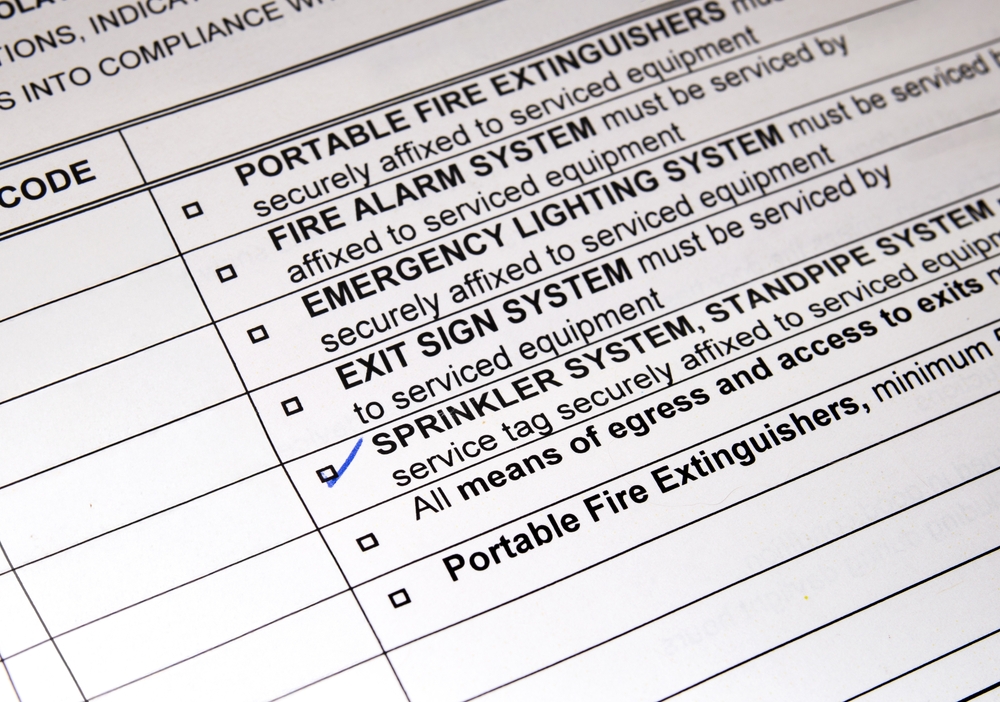
Some important steps to prepare for an inspection include keeping fire extinguishers serviced and easily accessible, ensuring all emergency exits are clear and well-marked, maintaining exit lighting, and testing fire alarms regularly. Property owners should also store flammable materials safely and in accordance with manufacturer recommendations, and ensure that sprinkler systems are inspected by licensed professionals on their required schedule.
Training staff on fire safety protocols is another crucial part of preparation. Employees should know how to evacuate the building, where fire extinguishers are located, and how to respond in the event of a fire emergency. These elements not only help during a fire inspection but could be life-saving in a real emergency.
When the inspector arrives, having all relevant documentation ready — including records of fire system maintenance, emergency plans, and employee training logs — will streamline the process. Inspectors appreciate when property owners are organized and demonstrate a commitment to fire safety, as this helps build trust and collaborative relationships.
Key Components of a Fire Inspection
While each inspection is unique depending on the building type and occupancy, there are several key components that are almost always part of a fire inspection in Garden City.
First, inspectors will check egress — the ability of occupants to exit the building safely during an emergency. This involves evaluating whether doors open freely, whether exit paths are clear, and if signage is appropriate and visible.
Next, fire detection and suppression systems will be examined. This includes fire alarms, smoke detectors, sprinkler systems, and standpipes, all of which must be in working order and have current inspection tags or documentation to verify their service status.
Electrical systems are another major area of focus, as outdated or overloaded circuits pose significant fire hazards. Inspectors will review wiring, panel conditions, and sometimes even extension cord use.
Storage of hazardous materials, including chemicals and combustible goods, will be carefully assessed to ensure they are secured in safe, approved containers away from ignition sources.
Finally, inspectors will review fire prevention documentation, such as emergency plans, evacuation maps, and staff fire drill records, to verify that fire safety practices are not just physical but procedural.
All of these steps together create a robust framework to protect lives and property throughout Garden City, reinforcing why fire inspections are such a critical element of local fire prevention.
The Impact of Fire Inspections on Garden City’s Community Safety
The long-term impact of regular and thorough fire inspections is profound. In Garden City, the success of the fire inspection program is evident in its historically low incidence of major fires, which can be directly linked to the proactive efforts of both inspectors and responsible property owners.
Fire inspections act as an essential line of defense against tragedy, giving the fire department and community members confidence that buildings are safe for occupancy. They also improve community resilience because fewer fires mean fewer disruptions to the local economy, less displacement of residents, and reduced strain on emergency services.
Beyond immediate safety, fire inspections help drive a broader culture of fire prevention. Residents and business owners become more aware of their responsibilities and more invested in fire safety, leading to a shared sense of accountability and vigilance that benefits everyone. The educational component of inspections, where inspectors advise on best practices, is particularly effective in promoting long-term behavioral change.
This culture of safety is a major asset for Garden City, enhancing its reputation as a secure and welcoming place to live and do business. Insurance providers may also look favorably on communities with strong fire prevention programs, potentially resulting in lower premiums for property owners who maintain high standards of fire safety compliance.
A Community Committed to Fire Safety
The fire inspection process in Garden City is more than just a legal requirement — it is a cornerstone of the community’s dedication to protecting life, property, and economic stability. By understanding what to expect during an inspection, from preparation through follow-up, residents and business owners can build stronger partnerships with local fire officials and actively participate in the fire prevention mission.
Fire inspections are designed to help, not hinder, and those who view them as opportunities rather than obstacles will find the process easier and more productive. With consistent attention to fire safety, a cooperative mindset, and a clear understanding of local regulations, every stakeholder in Garden City can contribute to a safer, more resilient community.
Whether you manage a bustling commercial space downtown or live in a quiet residential neighborhood, the principles of fire prevention apply equally — and with the guidance of the Garden City Fire Department, you can rest assured that your property is prepared for the unexpected. Investing time and effort into maintaining fire safety standards is not only good practice but a vital contribution to a thriving and secure Garden City.
Need Life Safety Products In Garden City, KS?
There are various forms of personal protection. We offer fire safety and fire prevention equipment including fire extinguishers, and we service them, too. Business owners throughout Southwest Kansas should know what types of personal protection or fire safety equipment is necessary to suit the needs of their business. Rather than struggling with purchasing decisions, discuss with our consultants from C.F. Fire & Life Safety and let us guide you through the logistics. Based in Liberal, KS, C.F. Fire & Life Safety, is your destination for personal protection, fire safety, fire prevention, and fire extinguisher services throughout Southwest Kansas. Contact us today to learn more about what we can do for you!