Fire safety is an essential aspect of running a safe and responsible business. In cities like Great Bend, Kansas, understanding the intricate web of commercial fire codes and local fire regulations is not only about legal compliance but also about protecting people, property, and the continuity of business operations. With a growing focus on safety and risk management, it’s crucial for business owners, property managers, and developers to fully understand how business fire safety standards apply to their operations.
From new construction to tenant improvements and ongoing inspections, local authorities in Great Bend enforce a variety of codes aimed at minimizing the risk of fire-related incidents. These rules touch on everything from the installation of sprinklers and alarms to the storage of hazardous materials. By understanding the layers of regulatory oversight and how they apply to specific building types, you can stay ahead of violations, reduce liability, and foster a safer environment for employees and customers alike.
The Foundation of Fire Safety in Great Bend
Fire safety in Great Bend is governed by a combination of nationally recognized standards and city-specific amendments. At the core of these regulations lies the International Fire Code (IFC), which is adopted and modified by many jurisdictions across the country, including Kansas municipalities. Great Bend follows a version of this code that has been tailored to meet local needs and priorities.
The IFC covers a wide range of safety considerations, from building occupancy classifications to fire alarm systems and evacuation planning. In Great Bend, commercial fire codes derived from the IFC are enforced by the Fire Department’s Fire Prevention Bureau. This department is responsible for inspecting commercial properties, reviewing building plans for compliance, and ensuring that all fire protection systems meet city standards.
Business owners must be especially aware of how these codes apply to their specific industry. For instance, a restaurant will have vastly different fire safety requirements than a warehouse storing flammable chemicals. Understanding these distinctions early in the planning or operational phase can prevent costly corrections later on.
Local Fire Regulations and Inspections
Local fire regulations in Great Bend are designed to supplement state and national codes with additional context-sensitive guidelines. These may include specific restrictions on building materials, requirements for clear access to fire hydrants, or the need for periodic testing of alarm systems. The Great Bend Fire Department conducts routine inspections to ensure ongoing compliance, and any deficiencies noted during these inspections must be corrected within a defined time frame.
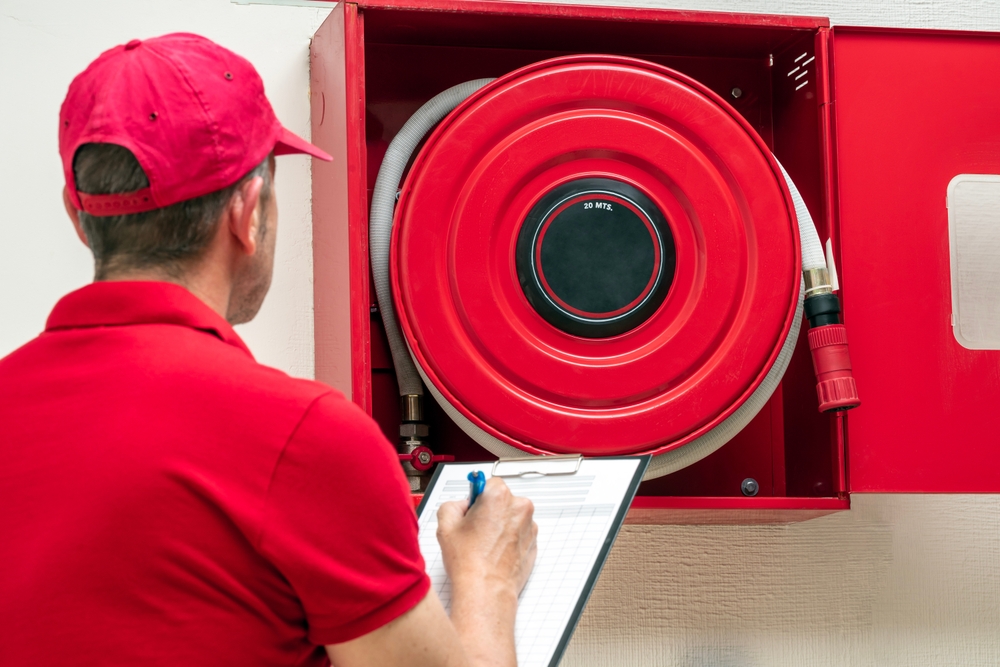
A common challenge for business owners is staying on top of inspection timelines and understanding what inspectors look for. Inspections typically cover a wide array of areas, including emergency lighting, sprinkler coverage, accessibility of fire extinguishers, and unobstructed exits. Businesses that fail to comply with local fire regulations may face fines or even temporary shutdowns until violations are corrected.
It’s important to note that these inspections are not one-time requirements. Commercial properties are subject to regular reviews, especially when changes are made to occupancy, layout, or the introduction of new materials that may affect fire risk. Being proactive in maintaining compliance will not only satisfy regulatory requirements but also help build a culture of safety within the organization.
Meeting Business Fire Safety Standards
Compliance with business fire safety standards involves more than simply passing inspections. It requires a comprehensive approach to fire prevention and emergency preparedness. This includes everything from employee training and signage to the selection and maintenance of fire suppression equipment.
In Great Bend, business fire safety standards are influenced by both the building’s intended use and its structural characteristics. For example, multi-tenant commercial buildings often need integrated fire alarm systems that connect to a central monitoring service. In contrast, standalone buildings may be allowed more flexibility, provided they meet baseline requirements.
For new businesses, the process of obtaining a Certificate of Occupancy will involve multiple checkpoints, including a fire safety review. During this process, the Fire Department will assess whether the property complies with all applicable commercial fire codes. If deficiencies are found, the certificate may be withheld until corrections are made.
Beyond code compliance, many insurance providers require businesses to maintain high levels of fire safety as a condition of coverage. This adds an additional layer of accountability and financial incentive to meet or exceed local standards. Installing up-to-date alarm systems, fire sprinklers, and accessible fire exits can lower insurance premiums while significantly reducing risk.
The Role of Building Codes and Permits
In Great Bend, fire safety is closely tied to the building permit process. Any new construction, renovation, or significant change of use will trigger a review process that includes an evaluation of fire safety provisions. This ensures that fire resistance, alarm systems, exit strategies, and other critical components are incorporated from the outset.
Architects and contractors working on commercial projects must submit detailed plans to the city’s building department, which coordinates with the Fire Department to ensure compliance with commercial fire codes. The review process evaluates structural fire resistance, compartmentalization, emergency lighting, exit signage, and access for fire personnel.
Neglecting this step can lead to major setbacks. If a project is found to be out of compliance after construction begins, the cost of corrections can be substantial. Worse, a failure to properly secure permits can lead to fines, forced demolition, or lawsuits in the event of a fire. For this reason, developers and business owners should prioritize fire safety considerations from the design phase onward.
Permits related to fire safety also include the installation of specific systems, such as commercial cooking suppression systems, fire alarms, and sprinklers. These systems must not only be installed to code but also maintained and tested at regular intervals. Documentation of these maintenance efforts may be required during inspections.
Educating Staff and Building a Fire-Ready Culture
Even the best fire protection systems are only as effective as the people who use them. That’s why education and training are vital components of a fire-safe business. Employees should know how to use fire extinguishers, recognize alarm signals, and follow evacuation procedures. Regular fire drills and updated emergency plans ensure that everyone in the building knows what to do in case of a fire.
In Great Bend, fire prevention education is encouraged by the Fire Department, which often provides resources and even hosts events aimed at improving public awareness. Businesses that invest in staff training not only improve safety but also demonstrate a strong commitment to community standards.
This culture of preparedness can make a significant difference during emergencies. Employees who know how to respond to a small fire can prevent it from escalating into a major incident. Likewise, a well-rehearsed evacuation can save lives and reduce injuries. These practices are especially important in buildings that host large numbers of people, such as retail stores, restaurants, and healthcare facilities.
Ultimately, integrating fire safety into the daily operations of a business requires leadership, consistency, and a willingness to go beyond the bare minimum. In a city like Great Bend, where community and responsibility go hand in hand, businesses that take fire safety seriously help raise the bar for everyone.
Conclusion
Understanding fire safety codes in Great Bend, KS, is not a luxury for business owners; it’s a legal, ethical, and operational necessity. Compliance with commercial fire codes, local fire regulations, and business fire safety standards ensures that companies are well-prepared to protect both people and property. It also shields them from costly fines, lawsuits, and insurance issues.
By integrating fire safety into building design, permitting, daily operations, and employee training, businesses create safer environments that benefit not only their own teams but also the wider community. Great Bend’s regulatory framework is designed to support these efforts, providing clear guidelines and support through inspections and educational outreach.
Business leaders who stay informed, proactive, and committed to compliance are in the best position to succeed. Fire safety isn’t just about avoiding disaster; it’s about building resilience, earning trust, and contributing to a safer city for everyone. Whether you’re opening a new business, managing a growing company, or overseeing a renovation project, understanding and applying these fire safety principles will always be a smart investment.
Need Life Safety Products Near You?
There are various forms of personal protection. We offer fire safety and fire prevention equipment including fire extinguishers, and we service them, too. Business owners throughout Southwest Kansas should know what types of personal protection or fire safety equipment is necessary to suit the needs of their business. Rather than struggling with purchasing decisions, discuss with our consultants from C.F. Fire & Life Safety and let us guide you through the logistics. Based in Liberal, KS, C.F. Fire & Life Safety, is your destination for personal protection, fire safety, fire prevention, and fire extinguisher services throughout Southwest Kansas. Contact us today to learn more about what we can do for you!
Fire safety is a crucial but often overlooked aspect of home security. While many homeowners invest heavily in locks, surveillance systems, and alarms to deter intruders, they sometimes neglect the potential threat of fire, which can be just as destructive, if not more so. Fire can spread rapidly and unpredictably, often leaving families with little time to respond. That’s why having the right fire safety equipment in your home is not only a smart precaution but a necessary step in ensuring the safety of your loved ones.
Each year, thousands of homes are damaged or destroyed by fires that could have been prevented or minimized through proper domestic fire protection measures. While some fires are unavoidable, the impact they have can be significantly reduced by using life-saving fire equipment. Understanding what tools are essential for home safety and how to use them properly can mean the difference between a minor incident and a devastating loss. This blog will explore the essential home fire safety tools that every household should have and explain their function, purpose, and placement.
Smoke Alarms: The First Line of Defense
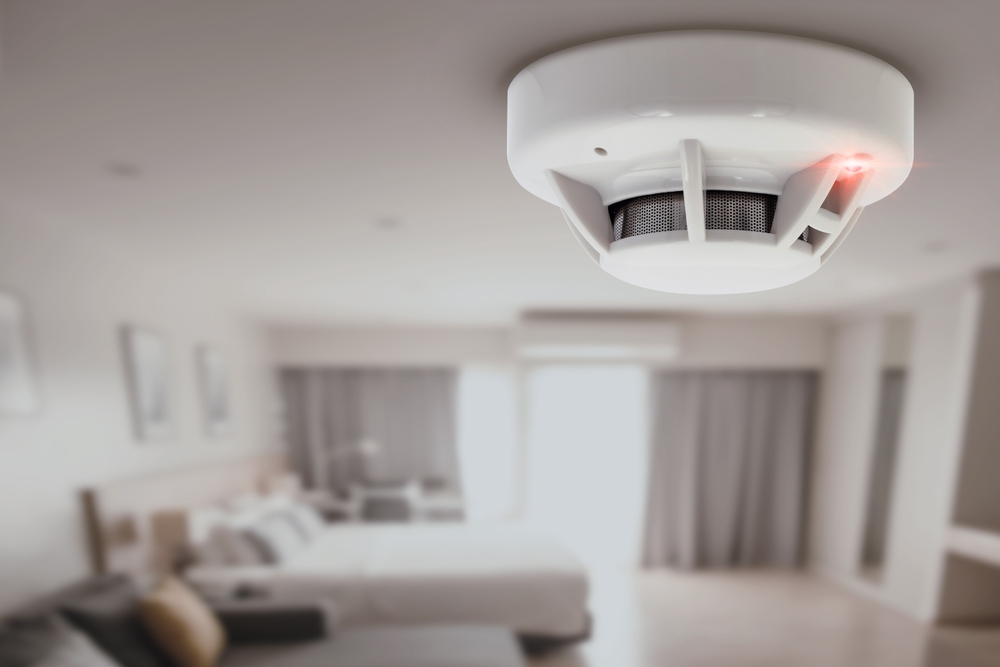
Smoke alarms are arguably the most vital fire safety devices a home can have. They act as an early warning system, detecting smoke before the fire becomes uncontrollable. The National Fire Protection Association recommends installing smoke alarms in every bedroom, outside each sleeping area, and on every level of the home, including the basement. This ensures that everyone has the opportunity to be alerted regardless of where the fire starts.
There are two primary types of smoke alarms: ionization and photoelectric. Ionization alarms are more responsive to flaming fires, while photoelectric alarms are quicker at detecting smoldering fires. Some models combine both technologies for comprehensive coverage. It’s also advisable to opt for interconnected smoke alarms, so when one detects smoke, all alarms in the house sound off. This is particularly useful in larger homes or those with multiple floors.
To ensure your smoke alarms are functioning correctly, test them monthly and change the batteries at least once a year. Many newer models come with sealed, long-life batteries that last up to 10 years. Regardless of the type, a functional smoke alarm is an indispensable part of any domestic fire protection strategy.
Fire Extinguishers: Versatile Life-Saving Fire Equipment
When a fire breaks out, having a fire extinguisher within reach can help contain or even eliminate the threat before it spreads. Fire extinguishers are categorized based on the types of fires they are designed to combat. The most suitable choice for home use is an ABC fire extinguisher, which works on ordinary combustibles (Class A), flammable liquids (Class B), and electrical fires (Class C).
Every home should have at least one multi-purpose fire extinguisher in the kitchen, where most domestic fires originate. Additional units should be placed near potential fire hazards, such as the garage, workshop, or laundry room. It’s essential that household members know how to operate a fire extinguisher. The PASS technique: Pull the pin, Aim the nozzle, Squeeze the handle, and Sweep side to side, is a simple method to remember.
Despite their usefulness, fire extinguishers are not a substitute for calling emergency services. They are meant to address small, contained fires. If a fire is spreading rapidly or is difficult to access, evacuate immediately and alert the fire department. Nonetheless, as part of your essential home fire safety tools, fire extinguishers are a practical line of defense.
Fire Blankets and Escape Ladders: Underestimated but Essential
Fire blankets are a lesser-known but equally critical component of life-saving fire equipment. Typically made from fire-resistant materials like fiberglass or wool, these blankets are designed to smother small fires by cutting off their oxygen supply. They are particularly effective for kitchen fires involving pots and pans or when a person’s clothing has caught fire. Unlike extinguishers, fire blankets are mess-free and do not leave behind chemical residues, making them ideal for use in areas where cleanliness is a concern.
Escape ladders, on the other hand, are crucial for homes with upper stories. In the event of a fire that blocks your main exit routes, a fire escape ladder can provide a safe alternative way out. Most escape ladders are designed to be stored under a bed or in a closet and can be quickly deployed from a window. It is important to practice using the ladder with your family to ensure everyone knows how to use it during an emergency. Like smoke alarms and extinguishers, these devices are part of a complete domestic fire protection plan.
Home Fire Safety Plans and Regular Drills
While equipment is a vital part of fire safety, having a well-rehearsed fire escape plan is equally important. Knowing how to react when a fire alarm goes off can significantly reduce confusion and panic. A home fire safety plan should include multiple exit routes from each room, a designated meeting spot outside the house, and clear roles for family members, especially for assisting children, elderly relatives, or pets.
Conducting fire drills at least twice a year ensures that everyone in the household is familiar with the plan and knows what to do under pressure. During these drills, simulate different scenarios, such as blocked hallways or staircases, to teach adaptability. Reviewing the plan regularly and updating it as needed, for example, if someone in the home develops mobility issues or if renovations change the layout, is a proactive approach to maintaining a high level of safety.
Including your children in these drills and teaching them about the dangers of fire will help build awareness from a young age. Educational resources, apps, and even child-friendly fire safety videos can make learning both effective and engaging. This behavioral training, combined with essential home fire safety tools, forms a comprehensive protective net around your family.
Smart Fire Safety: Modern Innovations and Maintenance
Technology has introduced a new wave of intelligent fire safety devices. Smart smoke detectors and carbon monoxide alarms can be integrated into home automation systems, sending real-time alerts to your smartphone. This is especially useful when you’re not home, as it allows for immediate action, including calling emergency services or alerting neighbors.
Some smart systems can automatically shut off HVAC units or unlock doors to aid evacuation. Others offer voice alerts, which are proven to be more effective at waking children than traditional alarm sounds. Additionally, smart plugs and sensors can monitor the temperature and electrical load of appliances, reducing the risk of electrical fires.
Despite these advances, maintenance remains a cornerstone of effective fire safety. Inspect all your devices regularly, replace batteries as needed, and ensure that fire extinguishers are not expired. Fire blankets should be inspected for wear or contamination, and escape ladders should be checked for structural integrity. A well-maintained system of life-saving fire equipment offers long-term peace of mind and functionality when it matters most.
Conclusion
Fire safety in the home is not a one-time investment but a continuous responsibility. By equipping your home with essential tools such as smoke alarms, fire extinguishers, fire blankets, and escape ladders, you lay the groundwork for a safer environment. Combining these devices with a solid escape plan, regular drills, and modern smart technologies enhances your preparedness for any emergency.
Understanding and implementing these layers of domestic fire protection significantly improves your ability to respond quickly and effectively during a crisis. In the face of danger, every second counts. Life-saving fire equipment is not just about protecting property; it’s about safeguarding the lives of everyone under your roof. Make fire safety a priority in your household today, and you’ll be investing in a more secure tomorrow.
Need Life Safety Products Near You?
There are various forms of personal protection. We offer fire safety and fire prevention equipment including fire extinguishers, and we service them, too. Business owners throughout Southwest Kansas should know what types of personal protection or fire safety equipment is necessary to suit the needs of their business. Rather than struggling with purchasing decisions, discuss with our consultants from C.F. Fire & Life Safety and let us guide you through the logistics. Based in Liberal, KS, C.F. Fire & Life Safety, is your destination for personal protection, fire safety, fire prevention, and fire extinguisher services throughout Southwest Kansas. Contact us today to learn more about what we can do for you!
Keeping tenants safe and protecting your rental property from damage are two of the most critical responsibilities of any landlord in Great Bend. Fires can start unexpectedly, and the damage they leave behind is often devastating, both financially and emotionally. That’s why proactive fire prevention isn’t just a best practice—it’s essential.
Fire prevention is not just about following local codes or passing inspections. It’s about instilling peace of mind for tenants and avoiding costly repairs, legal issues, or even total property loss. There are a variety of fire prevention tips and products that landlords in Great Bend can use to safeguard their rental property and their residents. From the basics like smoke detectors to more advanced fire suppression systems, the right combination of tenant safety products can significantly reduce the risk of fire-related incidents.
In this post, we’ll dive into five categories of fire prevention products that every responsible landlord in Great Bend should consider installing in their rental units. These products are essential not only for tenant safety but also for ensuring your investment remains secure and in compliance with local regulations.
Smoke and Carbon Monoxide Detectors: The First Line of Defense
One of the simplest and most effective fire prevention tips for landlords is the consistent use and maintenance of smoke detectors. These devices are often the first alert tenants receive when smoke is present, giving them time to evacuate safely and potentially stop a small incident from escalating into a major disaster. For rental property owners in Great Bend, ensuring that each unit has working smoke detectors installed in every bedroom, hallway, and near the kitchen is not just a good idea—it’s a requirement under most state laws.
Equally important are carbon monoxide detectors, particularly if the unit uses gas-powered appliances or heating systems. Carbon monoxide is odorless and deadly, and its presence can go unnoticed until it’s too late. A dual smoke and carbon monoxide detector is a cost-effective way to provide layered protection in one compact device.
Smart detectors are becoming increasingly popular among landlords. These devices can send alerts directly to your smartphone, allowing you to monitor battery levels and emergency signals remotely. This feature is especially helpful for landlords managing multiple properties or for those who live outside Great Bend but maintain rental units in the area.
Fire Extinguishers: Accessible Tools for Emergency Response
Even though fire extinguishers are not always required by law in individual residential units, they are strongly recommended, especially in kitchens and other high-risk areas. A properly placed fire extinguisher can mean the difference between a minor flare-up and a catastrophic fire.
For Great Bend landlords, choosing the right type of fire extinguisher is essential. A multipurpose extinguisher (rated ABC) is typically the most suitable for residential settings because it can handle most types of fires, including those started by wood, grease, and electrical equipment. Installing one in the kitchen area of each rental unit is a practical tenant safety product that can help stop a fire before it spreads.
However, merely providing an extinguisher isn’t enough. Tenants should be informed on how to use it correctly. A short tutorial during the lease signing process or a laminated instruction sheet posted in the kitchen can provide tenants with the knowledge they need to act quickly and safely in case of a fire.
Fire-Resistant Materials and Furnishings: An Extra Layer of Protection
Many fires in rental properties spread rapidly due to the materials used in construction and furnishing. As a landlord, choosing fire-resistant materials when renovating or upgrading your Great Bend rental property adds a critical layer of protection that can slow the spread of flames and reduce overall damage.
Fire-resistant drywall, doors, and insulation materials are particularly beneficial in multi-family buildings where the risk of fire spreading from one unit to another is higher. Similarly, installing fire-rated doors between the garage and living areas, or between apartments, can significantly increase the time tenants have to evacuate safely.
When it comes to furnishing common areas or short-term rental units, using flame-retardant curtains, mattresses, and upholstery is another fire prevention tip that can limit fire hazards. While these materials may cost slightly more upfront, the added safety they provide is well worth the investment, especially when weighed against the cost of rebuilding or replacing property lost to fire.
Kitchen Safety Devices: Minimizing the Leading Cause of Residential Fires
Cooking equipment is the number one cause of residential fires in the United States, and Great Bend is no exception. That makes kitchen safety devices one of the most important fire prevention products landlords can invest in. Many of these tools are relatively low-cost and can significantly reduce the risk of a cooking-related fire.
One popular option is an automatic stove shut-off device. These devices sense when the stove has been left on unattended and turn it off automatically after a set amount of time. This is particularly useful in properties rented by seniors, college students, or tenants with young children, where distractions can easily lead to forgotten cooking.
Another highly effective product is a stovetop fire suppression system. These systems are typically mounted above the stove and contain canisters filled with fire-suppressing chemicals. When high heat or flames are detected, the system activates, releasing the suppressant to extinguish the fire before it spreads.
Installing simple heat sensors in the kitchen can also act as an early warning system, complementing traditional smoke detectors and offering more precise alerts for cooking-related incidents. Together, these tools form a comprehensive kitchen fire prevention strategy.
Sprinkler Systems and Fire Escape Planning: For Multi-Unit and High-Risk Properties
While not required in every residential rental property, sprinkler systems offer one of the most effective methods for containing and extinguishing fires before they cause widespread damage. For landlords managing multi-unit buildings or high-occupancy properties in Great Bend, installing a sprinkler system might be one of the best long-term investments in tenant safety.
Sprinklers can control a fire even before firefighters arrive, often limiting damage to a single room. In fact, data shows that properties with sprinkler systems experience up to 90% less damage from fires compared to those without. This can translate into lower insurance premiums and less time spent on costly repairs.
Equally important is ensuring that tenants know how to respond during a fire. While not a “product” in the traditional sense, fire escape plans are an essential part of a comprehensive fire prevention strategy. Each rental unit should have a clearly posted escape plan showing multiple exits and the location of fire extinguishers. Landlords should walk new tenants through the plan during move-in, particularly in multi-story buildings.
If the property has common areas, consider conducting an annual fire drill or sending out reminders that reinforce safety procedures. These efforts not only protect tenants but also demonstrate the landlord’s commitment to maintaining a secure and compliant rental property.
Conclusion
For landlords in Great Bend, taking fire prevention seriously is not just about compliance—it’s about protecting your investment and ensuring the wellbeing of your tenants. From installing reliable smoke and carbon monoxide detectors to equipping your property with the right extinguishers, kitchen safety tools, and even fire-resistant materials, each product you choose plays a crucial role in minimizing risk.
Fires can start quickly and escalate without warning, but the right combination of fire prevention products and tenant education can make all the difference. By following proven fire prevention tips and investing in top-tier tenant safety products, landlords can ensure their rental property is a safe, secure place to live.
Taking these steps not only reduces your liability and lowers repair costs in the event of a fire but also enhances your reputation as a responsible landlord who puts safety first. And in a competitive rental market like Great Bend, that commitment to safety can set your property apart in all the right ways.
Need Life Safety Products In Garden City, KS?
There are various forms of personal protection. We offer fire safety and fire prevention equipment including fire extinguishers, and we service them, too. Business owners throughout Southwest Kansas should know what types of personal protection or fire safety equipment is necessary to suit the needs of their business. Rather than struggling with purchasing decisions, discuss with our consultants from C.F. Fire & Life Safety and let us guide you through the logistics. Based in Liberal, KS, C.F. Fire & Life Safety, is your destination for personal protection, fire safety, fire prevention, and fire extinguisher services throughout Southwest Kansas. Contact us today to learn more about what we can do for you!
Amarillo, Texas, is no stranger to the dramatic shifts in weather that each season brings. From dry, windy summers to chilly, furnace-reliant winters, each season presents its own set of fire risks that can jeopardize homes, lives, and property. Fire prevention is a year-round responsibility, and Amarillo residents need to remain vigilant to keep their families and neighborhoods safe. Whether it’s practicing summer fire prevention or preparing for winter fire hazards, being aware of the risks and taking the appropriate precautions is essential for every household in the area.
This article explores the unique fire safety considerations that each season brings to Amarillo, providing practical advice that residents can follow to reduce the risk of fire and improve overall community safety. Let’s take a closer look at how to protect your home from fire throughout the year.
Spring Fire Safety: Preparing for Dry Conditions
Spring in Amarillo can be deceptive. While blooming flowers and warmer weather create an inviting atmosphere, the season also marks the beginning of increasing fire risk due to dry vegetation and gusty winds. As the snow from the winter months melts away and the temperatures begin to rise, dead vegetation becomes a potential fuel source for wildfires and home-based fires alike.
Homeowners should focus on cleaning up dry leaves, dead branches, and other debris that may have accumulated around the yard. This not only enhances curb appeal but also reduces the amount of flammable material that could ignite in the event of a nearby fire. It’s also wise to inspect outdoor grills and fire pits before their first use of the season, ensuring that gas lines are secure and no flammable materials are stored nearby. In Amarillo, where the winds can shift quickly and unpredictably, even a small spark can lead to a major fire incident if precautions are not taken.
Local fire departments often use spring to educate communities about fire preparedness, encouraging residents to review their home evacuation plans and check the functionality of smoke detectors. Spring cleaning can include a fire safety checklist: ensuring that fire extinguishers are charged and accessible, reviewing insurance policies for fire coverage, and trimming overgrown vegetation near the house. These tasks can significantly reduce the chance of a fire turning into a devastating loss.
Summer Fire Prevention: Combating Heat and Drought
The Texas Panhandle experiences some of its highest fire risks during the summer months. The combination of extreme heat, low humidity, and dry brush makes summer fire prevention an urgent priority for Amarillo residents. In recent years, grassfires have posed a growing threat to both rural and suburban areas, as lightning strikes, discarded cigarettes, and unattended barbecues have all sparked fires that spread rapidly.
Understanding the role of defensible space during the summer is vital. Residents should create a buffer zone between their homes and any flammable vegetation. Mowing the lawn regularly, removing dried-out plants, and keeping firewood and propane tanks at a safe distance from the home can all serve to reduce fire danger. Barbecue grills and outdoor cooking equipment should always be used at least 10 feet away from any structure, and should never be left unattended while in use.
July and August are especially critical months when outdoor activities peak. Fireworks, despite their festive appeal, have been the cause of numerous blazes in Amarillo during Independence Day celebrations. It’s important to follow all city ordinances regarding fireworks and consider attending public displays instead of hosting your own.
Additionally, many homeowners in Amarillo use air conditioning units extensively during the summer. Electrical fires can become a concern if systems are not properly maintained. Ensuring that wiring is up to code and that electrical systems are not overloaded can prevent malfunctions that might otherwise lead to fire. Summer fire prevention isn’t just about outdoor awareness—it extends to every plug and appliance in your home.
Fall Fire Awareness: Transitioning Safely into the Colder Months
Fall marks the transition from intense heat to cooler temperatures and is often considered a shoulder season when it comes to fire risk. However, this transitional period brings its own fire safety concerns. Dry leaves covering roofs, gutters, and lawns act as tinder for embers from fireplaces, fire pits, and even cigarette butts. Amarillo’s windy fall weather can easily turn a small fire into a widespread blaze if conditions are right.
Fireplaces and wood stoves become more commonly used during the fall. Before using them, it’s crucial to ensure that chimneys are clean and free of creosote buildup, which is highly flammable. Annual inspections and cleanings should be scheduled early in the season, before regular use begins. Portable heaters, another common source of heat as temperatures dip, should be inspected for damage and placed safely away from furniture, drapes, and other flammable materials.
Raking and properly disposing of leaves rather than burning them is another key aspect of fall fire safety. Leaf burning can quickly get out of hand, especially on dry, windy days. Instead, consider composting or bagging leaves for pickup. Always keep an eye on Amarillo’s local burn bans and air quality advisories during the fall months.
Autumn is also an ideal time to review and practice fire escape plans with all members of the household. As daylight hours decrease, ensure that outdoor lighting around exits is functional to assist in nighttime evacuations if necessary. Preparedness is an ongoing process, and fall offers a timely opportunity to reinforce fire safety routines before winter arrives.
Winter Fire Hazards: Staying Warm Without Risk
Winter in Amarillo is marked by a reliance on heating equipment, which is one of the leading causes of residential fires during the colder months. Winter fire hazards are especially concerning due to the increased use of space heaters, fireplaces, candles, and cooking appliances during holiday gatherings.
One of the most overlooked risks is the improper use of space heaters. These devices should always be kept at least three feet away from anything that can burn and should be plugged directly into wall outlets rather than extension cords. It’s also recommended to choose models with automatic shut-off features to prevent overheating or tipping accidents.
Candles, though charming during the holiday season, can become a serious fire hazard if left unattended. Consider using flameless LED candles as a safer alternative. If real candles are used, keep them in sturdy holders away from children, pets, and decorations. Christmas trees, both real and artificial, also need attention. Real trees should be kept well-watered, and all lights used for decorating should be certified for safety and checked for frayed wires or broken bulbs.
Kitchen fires increase during the winter holidays, as cooking becomes more frequent. Never leave stovetops unattended, and always turn pot handles inward to avoid accidental spills. Grease fires, in particular, should never be extinguished with water; instead, use a metal lid to smother the flames or a class B fire extinguisher.
Beyond indoor safety, Amarillo residents should take care with outdoor heating appliances like fire pits and patio heaters. Always ensure these are turned off and fully extinguished after use. Snow and ice may reduce visibility or mobility during a fire emergency, so keeping exits clear of obstructions is essential throughout the winter season.
Year-Round Fire Preparedness in Amarillo
Fire safety is not confined to any one season. In Amarillo, each time of year brings new fire-related challenges, and the best defense is a proactive, informed approach. Homeowners should view fire safety as a continuous cycle, adapting to the evolving risks of each season.
Testing smoke and carbon monoxide detectors regularly, keeping fire extinguishers in key areas like the kitchen and garage, and having clear evacuation routes are essential all year long. Educating all family members—including children—on what to do in the event of a fire helps to minimize panic and ensure swift action.
Staying updated on fire safety recommendations from local authorities can also make a significant difference. Amarillo’s fire department often issues seasonal alerts and tips that align with regional fire conditions. Following these guidelines not only protects individual homes but also supports the broader effort to keep entire neighborhoods safe.
Conclusion
Living in Amarillo means enjoying the beauty of all four seasons, but it also demands a vigilant approach to seasonal fire safety. From managing dry brush during the summer to mitigating winter fire hazards indoors, taking preventive steps throughout the year is essential. By understanding how fire risks change with the seasons and committing to regular safety practices, Amarillo residents can reduce the chance of fires and ensure a safer environment for everyone.
Whether it’s summer fire prevention or preparing for winter heating hazards, each effort you make contributes to a more fire-resilient home and community. Don’t wait for a fire to remind you of what could have been done—act today and stay safe all year long.
Need Life Safety Products In Garden City, KS?
There are various forms of personal protection. We offer fire safety and fire prevention equipment including fire extinguishers, and we service them, too. Business owners throughout Southwest Kansas should know what types of personal protection or fire safety equipment is necessary to suit the needs of their business. Rather than struggling with purchasing decisions, discuss with our consultants from C.F. Fire & Life Safety and let us guide you through the logistics. Based in Liberal, KS, C.F. Fire & Life Safety, is your destination for personal protection, fire safety, fire prevention, and fire extinguisher services throughout Southwest Kansas. Contact us today to learn more about what we can do for you!
Fire hazards are a serious concern for homeowners everywhere, and Seward County, KS is no exception. Home safety depends on awareness, prevention, and timely action. Every year, fires cause injuries, property damage, and sometimes tragic loss of life. The good news is that with the right fire prevention tips, families can drastically reduce their risk. This article explores some of the most common fire hazards in Seward County homes and offers practical strategies to keep households safe.
Kitchen-Related Fire Hazards
The kitchen is the most common area where fires start. In Seward County, like many communities, cooking-related fires are a top concern for fire departments. Grease buildup, unattended stoves, and flammable items left near heat sources all contribute to this risk. Many homeowners underestimate how quickly a pan of oil can ignite or how easily a dish towel can catch fire when placed too close to a burner.
Home safety in the kitchen starts with vigilance. Never leave cooking unattended, even for a short moment. If you must step away, turn off the stove. Keep combustibles such as towels, oven mitts, and paper products at a safe distance from heat. Regularly cleaning ovens, stovetops, and vent hoods reduces grease buildup, which is highly flammable. It is also wise to keep a small fire extinguisher in the kitchen and ensure all household members know how to use it.
Another critical fire prevention tip involves appliances. Overloaded outlets and faulty wiring on toasters, coffee makers, or microwaves can spark a fire. Always unplug appliances when not in use and avoid daisy-chaining extension cords. In Seward County, where older homes may still have outdated wiring, scheduling an electrical inspection provides peace of mind that kitchen appliances will not become hidden fire hazards.
Electrical and Heating Equipment Risks
Electrical and heating systems account for a large percentage of residential fires. Space heaters, particularly in cold Kansas winters, are convenient but hazardous if misused. Placing them too close to bedding, curtains, or furniture creates a dangerous situation. Likewise, running space heaters for long periods without monitoring increases the chance of overheating.
Home safety experts recommend keeping at least three feet of clearance around space heaters. Modern heaters often have automatic shutoff features when tipped over, but older units may lack these protections. Families in Seward County should consider upgrading to newer models to enhance fire prevention.
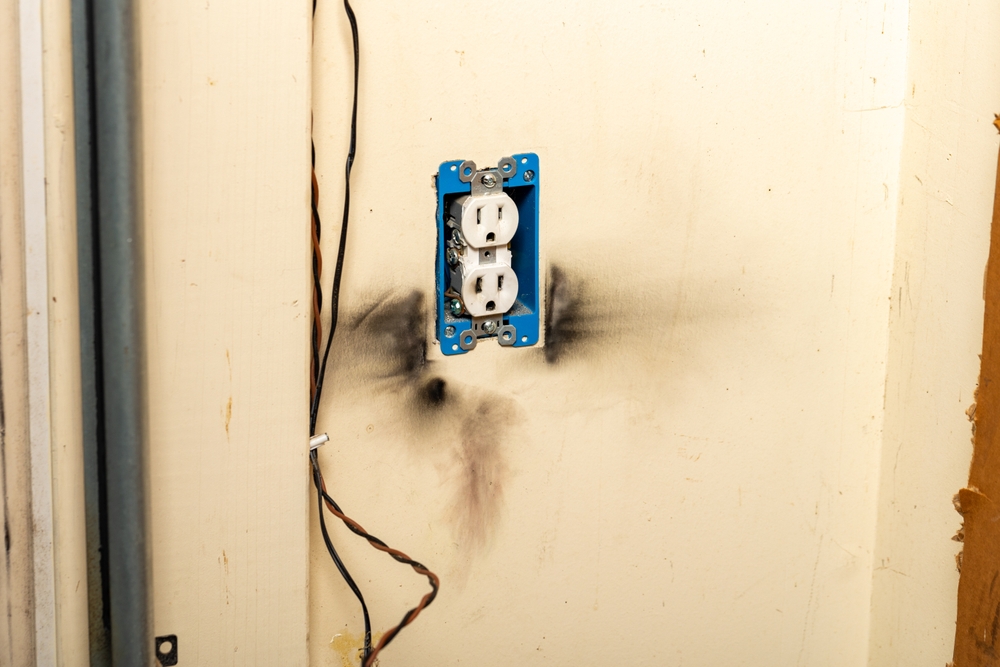
Wiring issues are another hidden risk. Frayed cords, overloaded power strips, or outdated breaker panels can all spark fires. If lights flicker frequently, fuses blow often, or outlets feel warm to the touch, these are warning signs of potential electrical fire hazards. Scheduling regular maintenance checks by a licensed electrician helps address problems before they escalate.
Fire prevention tips for electrical safety include replacing old cords immediately, never running cords under rugs, and limiting how many devices plug into one outlet. In households with children or pets, using outlet covers can also prevent accidental damage that may lead to sparks or fire.
Fireplace and Chimney Hazards
Many Seward County homes enjoy fireplaces during colder months, but these charming features come with risks. Chimneys that are not cleaned regularly accumulate creosote, a highly flammable byproduct of burning wood. Creosote buildup is one of the leading causes of chimney fires. Even a small spark can ignite the deposits lining the chimney walls.
Proper fireplace maintenance is central to home safety. Annual inspections and cleanings by a certified chimney sweep reduce the likelihood of creosote ignition. Using only seasoned hardwoods for burning also minimizes buildup compared to softer or green woods that produce more smoke and residue. Homeowners should never burn trash, cardboard, or treated wood, as these release harmful chemicals and increase fire risk.
Screens or glass doors should always be in place to prevent sparks from escaping the fireplace. Additionally, ashes should be disposed of carefully. Even when they appear cool, ashes can retain heat for days. Storing them in a metal container outside the home ensures they do not ignite nearby combustibles. For Seward County families who frequently use fireplaces, following these fire prevention tips creates a safer environment without giving up the warmth and comfort of a fire.
Smoking Materials and Candles
Smoking materials remain a major contributor to residential fires. Cigarettes, cigars, and pipes can all ignite furniture, bedding, or carpets if not extinguished properly. In homes across Seward County, careless disposal of smoking materials poses a recurring danger. The risk increases significantly if smoking occurs indoors or in bedrooms.
The safest practice is to smoke outside and use deep, sturdy ashtrays. Water should be poured over cigarette butts before discarding them to ensure they are completely extinguished. For families striving for home safety, establishing designated outdoor smoking areas away from structures is an effective step.
Candles, while often used for ambiance or during power outages, present similar risks. An unattended candle can quickly ignite curtains, decorations, or wooden surfaces. Fire prevention tips include using candle holders that do not tip easily and keeping flames at least one foot away from flammable objects. Extinguishing candles before leaving a room or going to sleep is a must. Many Seward County residents are switching to battery-operated flameless candles, which provide the same warm glow without the fire hazards.
Outdoor and Seasonal Fire Hazards
Fire risks are not confined to the inside of the home. Outdoor hazards also contribute to house fires in Seward County. Barbecue grills, for instance, are popular during summer months but can ignite wooden decks or siding if placed too close to the house. Using grills at least ten feet away from any structure and never leaving them unattended ensures safer use. Checking for propane leaks before lighting a gas grill is another key fire prevention tip.
Seasonal decorations can also become dangerous. Holiday lights with frayed cords or overloaded outlets can spark fires both indoors and outdoors. Real Christmas trees, if not watered regularly, dry out quickly and become highly flammable. Residents should replace damaged light strings, use appropriate extension cords rated for outdoor use, and keep trees well-hydrated to improve home safety during festive months.
Yards filled with dry grass, leaves, or improperly stored firewood can also act as fuel for a fire. In windy Kansas conditions, a small spark can spread rapidly. Keeping yards clear of debris and storing firewood away from the home helps minimize outdoor fire hazards. For rural areas of Seward County where controlled burns are sometimes used, homeowners should always follow local guidelines and never conduct burns on windy days.
Conclusion
Fire hazards are a constant presence in households, but they are not unavoidable. By understanding where risks exist and applying simple fire prevention tips, Seward County residents can significantly reduce their chances of experiencing a devastating house fire. From kitchen safety and electrical precautions to maintaining fireplaces, extinguishing candles, and managing outdoor risks, every effort contributes to overall home safety.
The key is consistency. Fire prevention is not a one-time task but an ongoing commitment to awareness and maintenance. Families that incorporate these habits into daily routines create safer living environments for themselves and future generations. In Seward County, where community values and family life are deeply rooted, investing in fire safety ensures that homes remain places of comfort, not danger.
Need Life Safety Products In Garden City, KS?
There are various forms of personal protection. We offer fire safety and fire prevention equipment including fire extinguishers, and we service them, too. Business owners throughout Southwest Kansas should know what types of personal protection or fire safety equipment is necessary to suit the needs of their business. Rather than struggling with purchasing decisions, discuss with our consultants from C.F. Fire & Life Safety and let us guide you through the logistics. Based in Liberal, KS, C.F. Fire & Life Safety, is your destination for personal protection, fire safety, fire prevention, and fire extinguisher services throughout Southwest Kansas. Contact us today to learn more about what we can do for you!