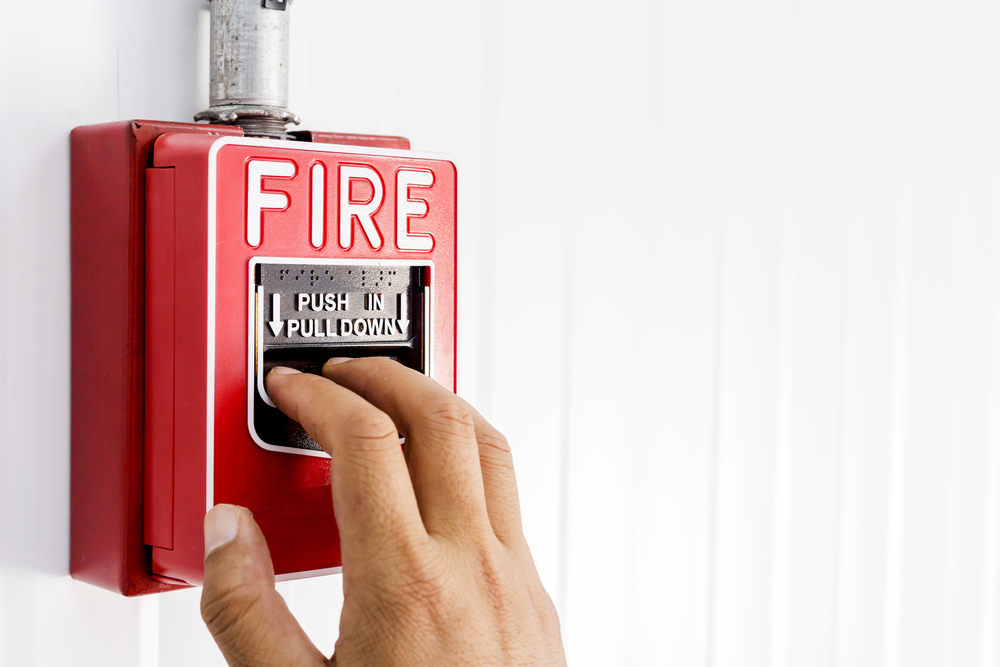
If you have ever looked at your homeowner’s or business insurance bill and wondered why your neighbor pays less than you do, the answer might be sitting right in your attic, mounted on your ceiling, or connected to your water supply. Fire safety measures play a significant role in how insurers calculate risk, and understanding this relationship can help you make smarter decisions as a policyholder. The connection between insurance premiums and safety is not just a talking point from your agent; it is a fundamental part of how the entire underwriting process works.
Insurers are in the business of predicting and pricing risk. When they assess a property, they are essentially asking one question: how likely is this property to generate a claim, and how expensive will that claim be? Fire is one of the most costly and unpredictable perils in the insurance world, which is why fire protection savings are built into the pricing models of virtually every major carrier. Understanding how this process works puts you in a better position to take action and potentially reduce what you pay every year.
How Insurers Assess Fire Risk
Before an insurer ever quotes you a premium, they gather a tremendous amount of information about your property and its surroundings. For homeowners, this typically includes the age of the home, the type of construction materials used, the condition of electrical systems, and the proximity of the property to a fire station or hydrant.
That last factor, proximity to fire protection, carries more weight than most policyholders realize. Insurance companies use a grading system developed by the Insurance Services Office (ISO) called the Public Protection Classification (PPC). This system grades communities on a scale from 1 to 10 based on the quality of their local fire departments, water supply infrastructure, and emergency communications. A community rated 1 has the best fire protection; a community rated 10 has essentially none.
If your home or business sits in a community with a low PPC rating, you are likely paying more for coverage than someone in a well-protected area. This is not arbitrary. Statistically, properties in areas with faster fire response times and better-equipped departments suffer less total damage when fires occur. The insurer’s pricing simply reflects that reality.
Beyond community-level ratings, insurers also look at the individual property. Do you have a sprinkler system? Are smoke detectors present and properly maintained? Is there a monitored alarm system in place? Each of these factors contributes to how your personal risk profile is constructed. The more layers of protection you have, the more attractive your property looks to an underwriter.
The Direct Impact of Fire Safety Features on Your Premium
Here is where things get practical. Installing and maintaining fire safety systems can translate directly into lower insurance premiums and safety improvements on your property. Many insurers offer explicit discounts for specific features, and some of these discounts are more generous than people expect.
Sprinkler systems are among the most impactful upgrades you can make. Residential fire sprinklers can reduce the risk of death in a home fire by more than 80 percent according to the National Fire Protection Association, and they significantly limit property damage by containing fires before they spread. Insurers recognize this and often provide premium discounts ranging from 5 to 15 percent, sometimes more, for properties equipped with functioning sprinkler systems.
Monitored smoke and fire alarm systems are another strong factor. A basic battery-operated smoke detector is better than nothing, but a professionally monitored alarm system that alerts a central station and dispatches emergency services automatically is a different category of protection entirely. Insurers treat these systems differently in their pricing, and making the upgrade can yield meaningful discounts.
Hardwired interconnected smoke alarms, fire-rated doors, fire-resistant roofing materials, and updated electrical panels also contribute to a lower risk profile. If your home was built or renovated with fire-resistant materials, be sure your insurer knows about it. This information does not always make it into an underwriting file automatically, and it is worth confirming that your policy reflects the true safety characteristics of your property.
For businesses, the calculus is similar but often involves additional layers. Commercial properties may be evaluated on their fire suppression systems, the presence of a designated fire safety officer, employee training programs, and compliance with local fire codes. A business that invests in fire protection savings through training and infrastructure is not just protecting its employees; it is building a case for lower premiums at renewal time.
Policyholder Tips for Reducing Fire-Related Insurance Costs
One of the most overlooked policyholder tips is simply to have a conversation with your insurance agent about what discounts are available and whether your current coverage reflects your property’s actual safety features. Many people install a sprinkler system or upgrade their alarm monitoring and never think to call their insurer. The discount does not apply automatically in most cases; you have to ask.
Here are some of the most effective steps you can take. Start by scheduling a home fire safety inspection. Some fire departments offer these for free, and the results can help you identify gaps in your current setup. If a professional inspection reveals that your smoke detectors are outdated or improperly positioned, correcting those issues costs relatively little and can have a meaningful impact on your coverage options.
Next, look into whether your area qualifies for any community fire mitigation programs. Some states and municipalities offer financial assistance or tax incentives for fire-resistant upgrades, particularly in areas prone to wildfires. In California, for example, homeowners in high-risk fire zones can pursue a FORTIFIED designation or document defensible space improvements to improve their standing with insurers.
It is also worth understanding what a comprehensive home inventory has to do with fire safety and premiums. Keeping a detailed, up-to-date record of your possessions, including photographs and receipts, does not lower your premium directly. However, it ensures that if a fire does occur, you can file a complete and accurate claim. Policyholders who document their belongings recover more efficiently and avoid the common problem of underreporting losses.
Finally, revisit your coverage limits with fire risk in mind. Some homeowners are underinsured because their policy was written years ago and has not kept pace with rebuilding costs. If a fire were to destroy your home, would your coverage actually be enough to rebuild it at today’s material and labor prices? Reviewing your policy annually with an eye toward replacement cost coverage is one of the smartest policyholder tips available.
The Long-Term Value of Investing in Fire Protection
The upfront cost of fire safety upgrades can feel significant. A residential sprinkler system in a new home can add several thousand dollars to construction costs, and retrofitting an existing home runs even higher. A professionally monitored alarm system carries monthly fees. Fire-resistant roofing materials cost more than standard options.
But consider the long-term picture. Premium discounts compound over years of homeownership. A 10 percent discount on a $2,000 annual premium saves $200 per year, and $2,000 over a decade before accounting for any increases in your base rate. More importantly, fire safety investments reduce the likelihood of a catastrophic loss, which protects not just your finances but your family’s safety and your ability to maintain continuous, affordable coverage. Filing a large fire claim can lead to policy non-renewal or a significant rate increase, both of which affect your costs for years.
The relationship between insurance premiums and safety is ultimately about shared incentives. Insurers want to avoid large claims. Policyholders want to avoid disasters and high costs. Fire protection savings sit at the intersection of those goals, making this one of the clearer win-win dynamics in personal finance.
Conclusion
Fire safety and insurance costs are more closely linked than most people realize. By understanding how insurers assess fire risk, taking advantage of available discounts, and following practical policyholder tips, you can reduce your premiums while genuinely improving the protection of your home or business. The investment in fire safety pays dividends in more ways than one.
Need Life Safety Products Near You?
There are various forms of personal protection. We offer fire safety and fire prevention equipment including fire extinguishers, and we service them, too. Business owners throughout Southwest Kansas should know what types of personal protection or fire safety equipment is necessary to suit the needs of their business. Rather than struggling with purchasing decisions, discuss with our consultants from C.F. Fire & Life Safety and let us guide you through the logistics. Based in Liberal, KS, C.F. Fire & Life Safety, is your destination for personal protection, fire safety, fire prevention, and fire extinguisher services throughout Southwest Kansas. Contact us today to learn more about what we can do for you!
Summer is coming, and with it comes one of the most dangerous and overlooked threats to homes, families, and communities: fire. As temperatures climb and humidity drops, the conditions that fuel devastating blazes become almost ideal. Whether you live in a wildfire-prone region like Southern California or a suburban neighborhood with dry lawns and backyard grills, understanding seasonal fire hazards is the first step toward keeping your household safe.
Preparation is not optional. It is a responsibility that every homeowner and renter should take seriously before the hottest months arrive.
Why Summer Is the Deadliest Season for Fire
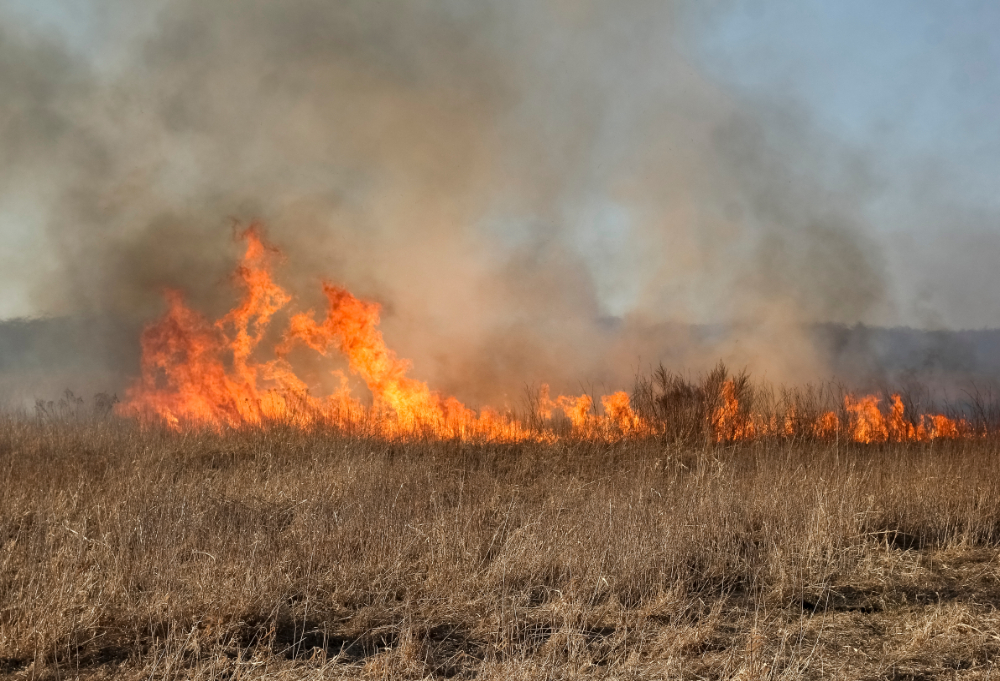
The science behind summer fire danger is straightforward. Heat dries out vegetation, turning grasses, shrubs, and trees into natural kindling. When combined with low humidity and strong winds, those dried-out plants can ignite within seconds and spread fire across miles in a matter of hours. Seasonal fire hazards peak during late spring and summer for this exact reason, and fire agencies across the country consistently report their busiest and most destructive periods during these months.
Beyond the natural landscape, human activity also increases fire risk in the summer. More people are grilling outdoors, setting off fireworks, camping, and using power tools in dry yards. Each of these activities introduces an ignition source into an environment that is already primed to burn. Electrical storms, which become more frequent in certain regions during summer, add yet another layer of seasonal fire hazards that residents need to account for.
It is also worth noting the contrast with winter fire safety concerns. In colder months, fires tend to originate indoors, from fireplaces, space heaters, and overloaded electrical outlets. Summer flips the script, pushing the danger outside and into the surrounding landscape. Knowing this seasonal shift helps homeowners adjust their safety strategies accordingly and stay one step ahead of the most common risks tied to each time of year.
Creating Defensible Space Around Your Home
One of the most effective summer firefighting tips ever developed by fire safety professionals is the concept of defensible space. This refers to the buffer zone you create between your home and the vegetation, trees, and other combustible materials that surround it. A well-maintained defensible space gives firefighters a fighting chance to protect your structure and slows the advance of an approaching wildfire.
Most fire agencies recommend maintaining at least 100 feet of clearance around your home, divided into two zones. The first zone, closest to the structure, should be kept lean and clean. This means removing dead plants, dry leaves, and any flammable debris from against the house, under decks, and around vents. Patio furniture, doormats, and wooden planters should also be considered potential fuel sources and positioned thoughtfully.
The second zone, extending further from the house, focuses on reducing fuel continuity. Trees should be trimmed so their branches do not touch one another, preventing fire from jumping from canopy to canopy. Shrubs should be spaced out, and tall grasses need to be mowed regularly throughout the dry season. This kind of landscape management is one of the most powerful seasonal fire hazards mitigation tools available to any homeowner, yet it is also one of the most commonly neglected.
Summer Firefighting Tips Every Household Should Know
Preparation goes beyond the yard. Inside the home and throughout your daily routines, there are dozens of practical summer firefighting tips that can dramatically reduce risk and improve response time if fire does break out near your property.
Start with your roof and gutters. Dry leaves and pine needles that accumulate in gutters and on rooftops are among the leading causes of ember ignition during wildfires. Embers can travel miles ahead of an active fire front, landing on your roof and smoldering until they find enough fuel to ignite. Cleaning gutters regularly during fire season is a simple but critically important task.
Next, pay attention to your home’s vents and openings. Fine mesh screening on attic and crawl space vents can prevent embers from entering the structure, where they can ignite insulation and framing materials unseen. Many fire-hardening programs offered by local agencies will provide guidance on the specific mesh size and materials that offer the best protection in your area.
For those who grill outdoors, always keep a water source or fire extinguisher nearby. Never leave a grill unattended, and make sure coals are fully extinguished before leaving the area. Position grills well away from wood fences, dry vegetation, and overhanging branches. These small habits reflect an awareness of seasonal fire hazards that can prevent a cookout from turning into a catastrophe.
Fireworks deserve a section of their own. Even in areas where personal fireworks are legal, their use during dry summer months dramatically raises the risk of igniting surrounding vegetation. Many communities have banned them entirely for this reason. If your city or county prohibits fireworks, that rule exists specifically because local officials recognize how dangerous seasonal fire hazards become when ignition sources are added to the mix.
Comparing Winter Fire Safety to Summer Preparedness
The comparison between winter fire safety and summer fire preparedness reveals how differently fire behaves depending on the season. In winter, the primary concerns revolve around heating equipment. Space heaters placed too close to curtains or bedding, fireplaces used without proper cleaning, and candles left unattended are among the top causes of residential fires during cold months.
Winter fire safety also emphasizes carbon monoxide awareness, since generators and heating appliances used improperly can produce deadly gas in enclosed spaces. Keeping smoke detectors and carbon monoxide detectors charged and functional is a year-round job, but it carries specific urgency in the winter when people seal up their homes against the cold.
Summer preparedness, by contrast, shifts attention outward. The home itself may be less likely to catch fire from an interior source, but it becomes vulnerable to the surrounding environment in ways that winter does not produce. Understanding this contrast is not just academically interesting. It has real implications for how you allocate your time, money, and attention throughout the year. Smart homeowners treat fire safety as a rotating priority, addressing winter fire safety concerns in the fall and summer firefighting tips in the spring.
Building and Practicing a Family Evacuation Plan
No discussion of seasonal fire hazards is complete without addressing what happens when prevention fails. Even the best-prepared homeowner can face a situation where fire moves faster than anticipated, and having a clear, practiced evacuation plan can mean the difference between tragedy and survival.
Your evacuation plan should identify at least two exit routes from your neighborhood, since roads can become blocked during fast-moving fires. Designate a meeting point outside the immediate area where your family will gather if you are separated. Make sure every household member, including children and elderly relatives, understands the plan and can execute it without guidance.
Keep a go-bag ready throughout fire season. This bag should contain important documents, medications, phone chargers, water, snacks, and a change of clothes. Place it somewhere easily accessible so you can grab it in under a minute if a sudden evacuation order is issued. Many fire agencies also recommend registering for emergency alerts through your county’s notification system, ensuring you receive warnings as early as possible.
Practice the plan at least once before fire season peaks. Walk through the exits, drive the alternate routes, and confirm that everyone knows where to go. This kind of rehearsal removes hesitation in a real emergency and helps families respond calmly rather than reactively.
Conclusion
Seasonal fire hazards demand year-round awareness and seasonal action. From managing your landscape and maintaining your home’s exterior to building a solid evacuation plan and contrasting summer firefighting tips with winter fire safety strategies, preparation is the most powerful tool available. Fire season is not a distant threat. For millions of Americans, it arrives every year with predictable intensity. Start your preparations now, before the heat takes hold, and give your family the best possible chance of coming through the summer safely.
Need Life Safety Products Near You?
There are various forms of personal protection. We offer fire safety and fire prevention equipment including fire extinguishers, and we service them, too. Business owners throughout Southwest Kansas should know what types of personal protection or fire safety equipment is necessary to suit the needs of their business. Rather than struggling with purchasing decisions, discuss with our consultants from C.F. Fire & Life Safety and let us guide you through the logistics. Based in Liberal, KS, C.F. Fire & Life Safety, is your destination for personal protection, fire safety, fire prevention, and fire extinguisher services throughout Southwest Kansas. Contact us today to learn more about what we can do for you!
Starting a business comes with an exciting mix of opportunity and responsibility. Among the many obligations new entrepreneurs face, fire safety compliance is one of the most critical yet frequently overlooked areas. Understanding the regulations for startups that govern workplace safety can mean the difference between a thriving business and one that faces costly fines, shutdowns, or worse. Whether you are opening a retail shop, a restaurant, an office, or a warehouse, fire safety laws apply to you, and getting up to speed early will save you significant headaches down the road.
Fire codes are not arbitrary bureaucratic hurdles. They exist because fires in commercial settings cause thousands of injuries, deaths, and billions of dollars in property damage each year in the United States alone. As a new business owner, taking the time to understand these rules protects your employees, your customers, your assets, and your future.
Understanding the Foundation of Fire Safety Law
Fire safety in the United States is governed by a layered system of federal, state, and local regulations. At the federal level, the Occupational Safety and Health Administration (OSHA) sets baseline business safety laws that apply to most employers across the country. OSHA standards cover everything from the placement of fire extinguishers to the maintenance of emergency exit routes. Violating OSHA fire standards can result in serious financial penalties, especially if an inspection reveals willful neglect.
Beyond OSHA, the National Fire Protection Association (NFPA) publishes a set of widely adopted codes, most notably NFPA 1 (the Fire Code) and NFPA 101 (the Life Safety Code). While the NFPA itself does not enforce these codes, most states and municipalities adopt them into local law, making them legally binding in your area. Your local fire marshal’s office is the primary authority that inspects your business for compliance and issues occupancy permits.
It is important to understand that fire regulations are not one-size-fits-all. A small accounting office faces different requirements than a restaurant kitchen or a manufacturing facility. The type of business you operate, the materials you store or use, the number of employees, and the age and construction type of your building all factor into which specific codes apply to you. This is why consulting with a licensed fire protection engineer or your local fire marshal early in the setup process is a smart investment for any startup.
Building Your Compliance Checklist
Creating a thorough compliance checklist is one of the most practical steps a new business owner can take. A well-organized checklist ensures that nothing falls through the cracks and gives you a clear record of your safety measures if you are ever audited or inspected.
Your compliance checklist should begin with the basics. First, confirm that your building has a valid Certificate of Occupancy and that any planned renovations or changes to the space have been reviewed and approved by the local building and fire departments. Changes to walls, ceilings, or layouts can affect sprinkler coverage, egress paths, and ventilation, all of which have fire safety implications.
Next, assess your fire suppression and detection systems. Most commercial buildings are required to have functioning smoke detectors, carbon monoxide detectors where applicable, and fire sprinkler systems depending on the size and use of the space. Make sure all systems have been inspected recently and that inspection tags are current. These systems need annual or semi-annual professional servicing in most jurisdictions.
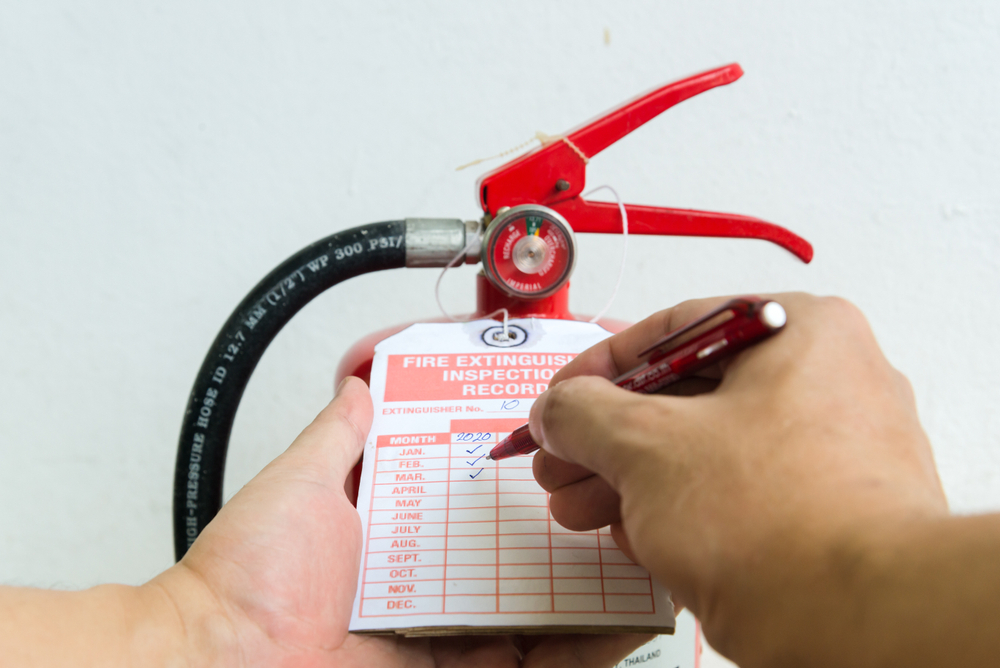
Your compliance checklist should also address fire extinguishers. OSHA requires that portable fire extinguishers be provided in most workplaces and that they be inspected monthly by a designated employee and serviced annually by a licensed professional. The type of extinguisher (Class A, B, C, D, or K) matters too, and must match the potential fire hazards present in your specific work environment.
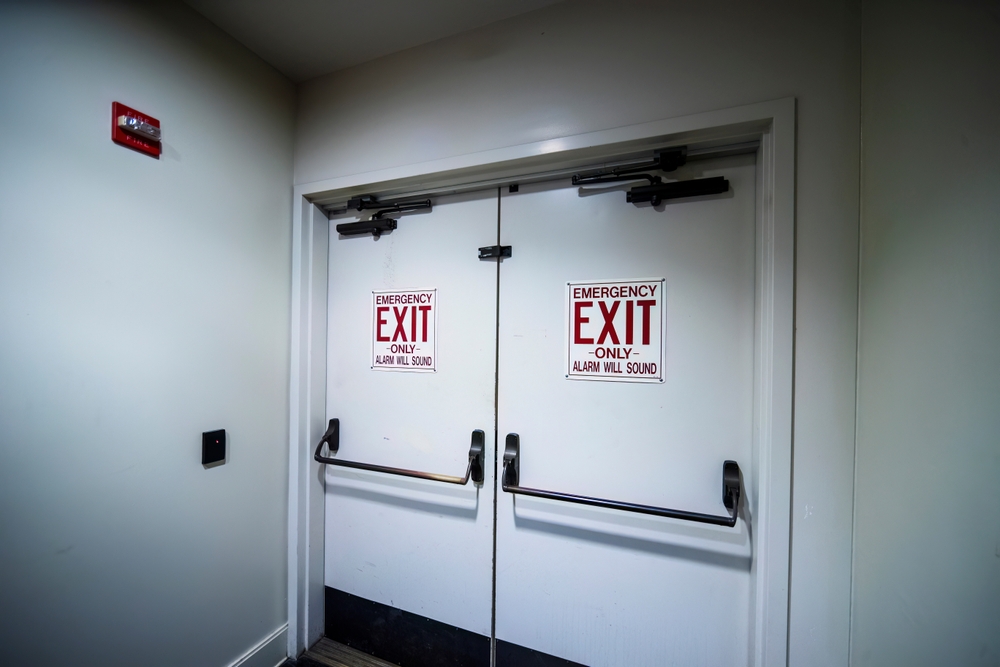
Emergency exit routes deserve careful attention as part of your business safety laws review. Every workplace must have clearly marked, unobstructed exit routes that lead directly to the outside. Exit signs must be illuminated and visible. The path to every exit must remain clear at all times, meaning no storage, equipment, or debris can block hallways, stairwells, or exit doors. Exit doors must open from the inside without special knowledge or tools during an emergency.
Training Your Team and Maintaining a Safety Culture
Compliance is not just about equipment and paperwork. It is about people. One of the most important regulations for startups involves employee fire safety training. OSHA requires that employees be trained to understand the fire hazards present in their workplace and know how to respond in an emergency. This training must occur at the time of initial employment and whenever new fire hazards are introduced.
Your team should know the location of all fire extinguishers, how to use them using the PASS technique (Pull, Aim, Squeeze, Sweep), and when it is appropriate to attempt to fight a small fire versus when to evacuate immediately. Every employee should also know the evacuation plan for your building, including primary and secondary exit routes and the designated outdoor meeting point where headcounts are taken.
Fire drills are strongly encouraged and, in many jurisdictions, required for certain types of businesses. Conducting drills at least once a year helps employees respond calmly and efficiently if a real emergency occurs. Document each drill, noting the date, the number of participants, and the time it took to fully evacuate. This documentation can be valuable during inspections.
Beyond drills, cultivating an ongoing culture of safety awareness pays long-term dividends. Encourage employees to report potential hazards such as frayed electrical cords, blocked exits, or malfunctioning detectors. Post emergency contact numbers and evacuation maps in visible locations throughout the workplace. Assign a fire safety officer or coordinator if your team size warrants it. When safety is treated as everyone’s responsibility, compliance becomes a natural part of daily operations rather than a reluctant obligation.
Staying Current as Regulations Evolve
Fire safety regulations are not static. They evolve as new research emerges, as building materials and technologies change, and as lessons are learned from real-world fire incidents. New business owners who treat compliance as a one-time task rather than an ongoing commitment often find themselves out of step with current requirements.
One of the best ways to stay current is to maintain a relationship with your local fire marshal’s office. Many local fire departments offer free or low-cost consultations for new businesses, and some even provide educational workshops on fire safety and compliance. Attending these sessions keeps you informed about local amendments to state and national codes that could affect your business.
Subscribe to updates from OSHA and the NFPA if your business involves any significant fire hazards. Industry associations in sectors like food service, manufacturing, healthcare, and retail often publish guidance on regulatory changes that affect their members. If your business grows, expands to new locations, or changes its operations significantly, treat those milestones as triggers to re-examine your compliance posture from the ground up.
Working with a professional fire safety consultant on an annual basis is also a worthwhile investment, particularly for businesses in high-risk industries. These specialists can identify gaps that an untrained eye might miss and help you implement solutions before a violation occurs.
Conclusion
Navigating fire safety regulations as a new business owner requires attention, planning, and consistency. By understanding the business safety laws that apply to your specific situation, building and maintaining a solid compliance checklist, training your team thoroughly, and committing to staying current as rules change, you position your business for long-term success. Fire safety is not just a legal obligation; it is a reflection of the care you extend to every person who walks through your doors.
Need Life Safety Products Near You?
There are various forms of personal protection. We offer fire safety and fire prevention equipment including fire extinguishers, and we service them, too. Business owners throughout Southwest Kansas should know what types of personal protection or fire safety equipment is necessary to suit the needs of their business. Rather than struggling with purchasing decisions, discuss with our consultants from C.F. Fire & Life Safety and let us guide you through the logistics. Based in Liberal, KS, C.F. Fire & Life Safety, is your destination for personal protection, fire safety, fire prevention, and fire extinguisher services throughout Southwest Kansas. Contact us today to learn more about what we can do for you!
In any work environment, the safety and well-being of employees should always be a top priority. While businesses often focus on productivity, innovation, and profitability, ensuring a safe workplace through comprehensive employee fire safety training is fundamental. Fires can erupt unexpectedly, turning a normal day into a life-threatening emergency within seconds. Understanding how to prevent fires and respond effectively when they occur is not just an added bonus; it is a necessity that can mean the difference between safety and disaster.
Fire safety training equips employees with the knowledge they need to handle potentially hazardous situations. It reinforces awareness of fire risks, educates staff about proper evacuation procedures, and builds confidence in the use of fire safety equipment. This training also supports a safety-first culture within the workplace, aligning every team member with procedures that protect lives, property, and business continuity.
Without proper training, even minor incidents can escalate into severe emergencies. Fires not only endanger lives but also cause substantial damage to infrastructure, data, and operations. Therefore, investing in workplace safety education is not just a regulatory obligation but a wise business decision.
Preventing Fires Through Awareness and Preparedness
One of the most critical aspects of fire safety is prevention. Many workplace fires result from human error or negligence, such as improper handling of flammable materials, overloading electrical outlets, or ignoring warning signs from equipment. Employee fire safety training teaches staff how to recognize and mitigate these risks before they turn into real hazards.
Preparedness plays a pivotal role in fire prevention. Employees who are trained to detect early signs of danger can take corrective actions that prevent an incident from occurring. For example, they may identify frayed wires, malfunctioning machines, or improperly stored chemicals. A well-trained workforce acts as an extra set of vigilant eyes, helping to maintain a safer working environment.
Additionally, fire drills and evacuation rehearsals foster a culture of readiness. Employees become familiar with escape routes, understand the importance of staying calm, and know how to assist coworkers with mobility issues or disabilities. This level of preparedness ensures that, should an emergency arise, confusion and panic are minimized, and a swift, orderly evacuation is possible.
Meeting Legal and Regulatory Standards
Workplace fire safety is not only a moral responsibility but also a legal requirement in many countries. Governments and safety agencies impose strict regulations on fire safety training, equipment, and emergency preparedness. Failing to comply with these standards can result in severe penalties, lawsuits, or even the closure of business operations.
Training importance is underscored by the obligations set forth in occupational safety laws, which mandate that employers provide a safe working environment. This includes educating employees on the use of fire extinguishers, identifying emergency exits, and understanding evacuation procedures. In the event of an inspection or post-incident investigation, businesses that demonstrate compliance through regular fire safety training are in a stronger legal position.
Moreover, insurance providers often assess a company’s risk profile before underwriting policies. A well-trained staff and a documented fire safety program can positively influence insurance premiums and liability coverage. By investing in training, businesses not only safeguard their teams but also strengthen their financial and legal standing.
Empowering Employees with Life-Saving Skills
The value of employee fire safety training extends beyond the workplace. The skills and knowledge acquired during these sessions can save lives both at work and at home. Employees who understand how to respond to a fire, use a fire extinguisher, or assist in an evacuation may be the difference between life and death during a crisis.
Training instills confidence and quick decision-making. In a fire emergency, there is no time to read instructions or wait for someone else to take charge. Employees who have practiced responses in a safe, controlled environment are better equipped to act decisively under pressure. They know how to alert others, operate fire suppression equipment, and communicate clearly with emergency responders.
Additionally, training promotes a sense of responsibility and teamwork. Employees learn that fire safety is not just the duty of management or designated safety officers, but a collective responsibility shared across the organization. This empowerment leads to a more cohesive, responsive team, prepared to protect one another in the face of danger.
Protecting Business Continuity and Reputation
Beyond the human impact, fires can devastate a company’s infrastructure, disrupt operations, and damage its reputation. Downtime caused by fire incidents may lead to missed deadlines, lost revenue, and a fractured relationship with customers or clients. In some cases, businesses never recover from such events.
Workplace safety education is a proactive defense against these risks. When employees are trained to act quickly and correctly during a fire, damage can be contained or avoided entirely. Quick extinguishment of small fires, efficient evacuations, and early alerting of fire services can make a significant difference in outcome.
Furthermore, a company known for prioritizing safety earns trust and respect from both its workforce and its clientele. It becomes an employer of choice and a business partner that others are proud to work with. The investment in training becomes a long-term asset, protecting not just people and property but also brand integrity and operational resilience.
Conclusion
Fire safety training is far more than a checkbox on a compliance list. It is a vital part of a holistic safety strategy that protects employees, preserves assets, and strengthens an organization’s ability to weather unforeseen emergencies. Through comprehensive employee fire safety training, businesses foster awareness, promote a culture of vigilance, and empower their teams with the skills needed to act effectively in crisis situations.
Training importance cannot be overstated when it comes to emergency preparedness. By prioritizing workplace safety education, companies take meaningful steps toward preventing incidents, minimizing damage, and safeguarding lives. In the face of an unpredictable threat like fire, preparation is the most powerful tool any organization can wield.
Need Life Safety Products Near You?
There are various forms of personal protection. We offer fire safety and fire prevention equipment including fire extinguishers, and we service them, too. Business owners throughout Southwest Kansas should know what types of personal protection or fire safety equipment is necessary to suit the needs of their business. Rather than struggling with purchasing decisions, discuss with our consultants from C.F. Fire & Life Safety and let us guide you through the logistics. Based in Liberal, KS, C.F. Fire & Life Safety, is your destination for personal protection, fire safety, fire prevention, and fire extinguisher services throughout Southwest Kansas. Contact us today to learn more about what we can do for you!
Office buildings, though generally seen as safe environments, are not immune to the threat of fire. From overloaded power strips to neglected kitchen appliances, several everyday office habits and setups can quietly contribute to significant fire risks. Understanding these dangers is not only important for maintaining business continuity, but also essential for safeguarding employee lives and protecting company assets. Taking proactive steps to identify and eliminate fire hazards is a cornerstone of any robust workplace safety plan.
This blog delves into common causes of office fires and offers actionable prevention strategies that can be implemented with minimal disruption. Each section focuses on a key area of risk, paired with expert insights and practical solutions to help ensure your workplace remains safe and compliant with fire safety standards.
Electrical Safety Starts with Awareness
Electricity powers every modern office, but it also presents some of the most common and dangerous fire hazards. Overloaded circuits, damaged cords, or faulty devices can cause overheating and ignite nearby materials. Understanding the basics of electrical safety is essential for both facility managers and everyday staff.
One of the simplest electrical safety tips is to regularly inspect outlets, extension cords, and equipment for signs of wear or damage. Cracked insulation, frayed wires, and scorch marks should never be ignored. Equipment that malfunctions or emits strange smells should be immediately unplugged and assessed by a professional. Offices should also limit the use of extension cords and multi-plug adapters, especially in older buildings where circuits may not be designed to handle high loads.
Another vital step is avoiding daisy-chaining, where multiple extension cords or power strips are connected together. This practice can lead to overheating and should be replaced with surge protectors or permanent electrical installations. Having a licensed electrician evaluate the building’s wiring and perform routine maintenance helps ensure long-term safety and compliance with local codes.
Kitchen Areas Can Be Fire-Prone Zones
The breakroom might be a place to unwind, but it can also be a hotspot for fire hazards if not managed properly. Microwaves, toasters, coffee machines, and other appliances are often left plugged in or misused, increasing the likelihood of an incident. Offices with larger kitchenettes may even include ovens or stovetops, further raising the level of risk.
Unattended cooking is one of the leading causes of workplace fires in kitchen areas. Employees should be reminded never to leave food heating without supervision. Signage, timed shutoff systems, or even motion-detecting appliances can help mitigate this issue. Regularly cleaning appliances to remove crumbs, grease, and other flammable debris is another key preventative measure.
Power sources in the kitchen should be kept dry and away from water-based cleaning supplies or wet hands. Employers should invest in appliances that carry safety certifications and automatic shut-off features. In larger offices, it might be worthwhile to assign responsibility for monitoring the kitchen area to a designated team or employee, especially if meals are prepared during off-hours.
Improper Storage of Combustibles Is Often Overlooked
Offices may not store large amounts of gasoline or chemicals like an industrial facility might, but they still contain plenty of combustible materials. Paper documents, cardboard boxes, printer toner, cleaning supplies, and even aerosol products can become dangerous if stored improperly.
Combustible materials should always be kept away from heat sources such as radiators, heaters, or direct sunlight. Storage rooms should be well-ventilated and organized to ensure that items are not stacked haphazardly. When flammable cleaning agents or solvents are necessary, they should be stored in clearly marked, fire-resistant cabinets that comply with OSHA regulations.
It’s also important not to crowd electrical rooms or utility closets with supplies or furniture. These spaces need adequate clearance for cooling and should remain free of anything that could ignite in the event of a short circuit. Proper documentation and adherence to building codes for chemical and material storage can significantly reduce office fire risks.
Office Equipment and HVAC Systems Require Attention
Office machinery such as printers, photocopiers, and computers can overheat when ventilation is blocked or if they’re not regularly serviced. These machines should be spaced to allow for air circulation, and their vents should be cleaned to prevent the buildup of dust, which is surprisingly flammable. Larger pieces of equipment often have internal components that need inspection or replacement to prevent electrical faults.
HVAC systems, while essential for comfort, also carry their own set of fire hazards. Clogged air filters can cause overheating, while malfunctioning parts may spark unexpectedly. Routine maintenance of HVAC systems not only improves energy efficiency but also eliminates potential ignition points within air ducts or motor systems.
Particularly in older buildings, thermostats and control panels should be examined for wear and updated if they fail to regulate temperatures correctly. Fire dampers within ductwork should be inspected annually, ensuring they will function properly in the event of smoke or fire. Investing in high-quality equipment and maintenance plans will always be more cost-effective than managing fire damage and associated business interruptions.
Cultivating a Culture of Fire Prevention
Beyond physical improvements, fostering an office culture that prioritizes fire prevention is the most sustainable strategy. Employees at all levels should be trained to identify and report hazards, understand emergency procedures, and use fire extinguishers effectively. Fire drills should occur at least twice a year, with clear signage guiding employees to exits and assembly points.
Leadership should lead by example, following all safety guidelines and encouraging staff to do the same. Open communication channels for reporting concerns can help address risks before they escalate. Encouraging good housekeeping habits, like keeping exits clear and not storing items in hallways, can go a long way toward reducing hazards.
Fire alarms, extinguishers, and sprinkler systems must be tested regularly. Compliance with local fire codes is non-negotiable, and working with fire marshals or safety consultants can provide valuable insights into improving safety plans. Prevention strategies must be treated as ongoing commitments rather than one-time actions.
Conclusion
Preventing fires in the workplace requires a combination of vigilance, proper equipment use, and shared responsibility. By paying close attention to common fire hazards, especially electrical faults, kitchen misuse, combustible storage, and neglected maintenance, businesses can drastically reduce the likelihood of a fire. Integrating simple but effective electrical safety tips and promoting employee awareness will lead to safer workspaces that prioritize the well-being of everyone inside.
No workplace is immune to risk, but with the right prevention strategies in place, your office can become a model of safety and preparedness. Implementing these measures not only protects property and productivity, it also shows a strong commitment to employee welfare and responsible operations. Taking action today could prevent a disaster tomorrow.
Need Life Safety Products Near You?
There are various forms of personal protection. We offer fire safety and fire prevention equipment including fire extinguishers, and we service them, too. Business owners throughout Southwest Kansas should know what types of personal protection or fire safety equipment is necessary to suit the needs of their business. Rather than struggling with purchasing decisions, discuss with our consultants from C.F. Fire & Life Safety and let us guide you through the logistics. Based in Liberal, KS, C.F. Fire & Life Safety, is your destination for personal protection, fire safety, fire prevention, and fire extinguisher services throughout Southwest Kansas. Contact us today to learn more about what we can do for you!