The Role of Fire Safety in Insurance Premiums: What You Should Know
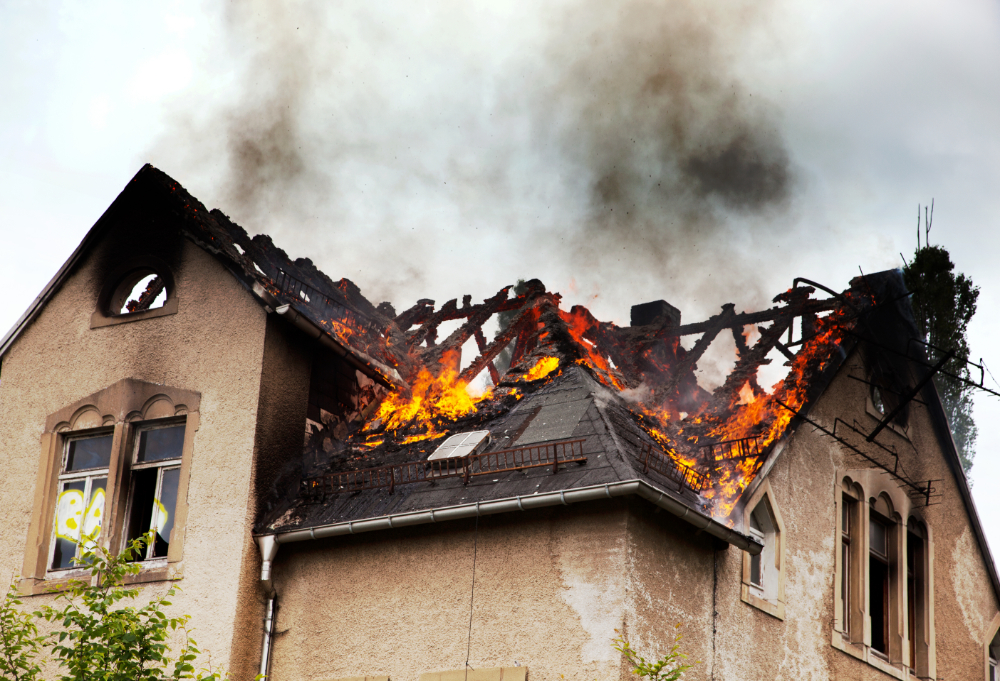
If you have ever looked at your homeowner’s or business insurance bill and wondered why your neighbor pays less than you do, the answer might be sitting right in your attic, mounted on your ceiling, or connected to your water supply. Fire safety measures play a significant role in how insurers calculate risk, and understanding this relationship can help you make smarter decisions as a policyholder. The connection between insurance premiums and safety is not just a talking point from your agent; it is a fundamental part of how the entire underwriting process works.
Insurers are in the business of predicting and pricing risk. When they assess a property, they are essentially asking one question: how likely is this property to generate a claim, and how expensive will that claim be? Fire is one of the most costly and unpredictable perils in the insurance world, which is why fire protection savings are built into the pricing models of virtually every major carrier. Understanding how this process works puts you in a better position to take action and potentially reduce what you pay every year.
How Insurers Assess Fire Risk
Before an insurer ever quotes you a premium, they gather a tremendous amount of information about your property and its surroundings. For homeowners, this typically includes the age of the home, the type of construction materials used, the condition of electrical systems, and the proximity of the property to a fire station or hydrant.
That last factor, proximity to fire protection, carries more weight than most policyholders realize. Insurance companies use a grading system developed by the Insurance Services Office (ISO) called the Public Protection Classification (PPC). This system grades communities on a scale from 1 to 10 based on the quality of their local fire departments, water supply infrastructure, and emergency communications. A community rated 1 has the best fire protection; a community rated 10 has essentially none.
If your home or business sits in a community with a low PPC rating, you are likely paying more for coverage than someone in a well-protected area. This is not arbitrary. Statistically, properties in areas with faster fire response times and better-equipped departments suffer less total damage when fires occur. The insurer’s pricing simply reflects that reality.
Beyond community-level ratings, insurers also look at the individual property. Do you have a sprinkler system? Are smoke detectors present and properly maintained? Is there a monitored alarm system in place? Each of these factors contributes to how your personal risk profile is constructed. The more layers of protection you have, the more attractive your property looks to an underwriter.
The Direct Impact of Fire Safety Features on Your Premium
Here is where things get practical. Installing and maintaining fire safety systems can translate directly into lower insurance premiums and safety improvements on your property. Many insurers offer explicit discounts for specific features, and some of these discounts are more generous than people expect.
Sprinkler systems are among the most impactful upgrades you can make. Residential fire sprinklers can reduce the risk of death in a home fire by more than 80 percent according to the National Fire Protection Association, and they significantly limit property damage by containing fires before they spread. Insurers recognize this and often provide premium discounts ranging from 5 to 15 percent, sometimes more, for properties equipped with functioning sprinkler systems.
Monitored smoke and fire alarm systems are another strong factor. A basic battery-operated smoke detector is better than nothing, but a professionally monitored alarm system that alerts a central station and dispatches emergency services automatically is a different category of protection entirely. Insurers treat these systems differently in their pricing, and making the upgrade can yield meaningful discounts.
Hardwired interconnected smoke alarms, fire-rated doors, fire-resistant roofing materials, and updated electrical panels also contribute to a lower risk profile. If your home was built or renovated with fire-resistant materials, be sure your insurer knows about it. This information does not always make it into an underwriting file automatically, and it is worth confirming that your policy reflects the true safety characteristics of your property.
For businesses, the calculus is similar but often involves additional layers. Commercial properties may be evaluated on their fire suppression systems, the presence of a designated fire safety officer, employee training programs, and compliance with local fire codes. A business that invests in fire protection savings through training and infrastructure is not just protecting its employees; it is building a case for lower premiums at renewal time.
Policyholder Tips for Reducing Fire-Related Insurance Costs
One of the most overlooked policyholder tips is simply to have a conversation with your insurance agent about what discounts are available and whether your current coverage reflects your property’s actual safety features. Many people install a sprinkler system or upgrade their alarm monitoring and never think to call their insurer. The discount does not apply automatically in most cases; you have to ask.
Here are some of the most effective steps you can take. Start by scheduling a home fire safety inspection. Some fire departments offer these for free, and the results can help you identify gaps in your current setup. If a professional inspection reveals that your smoke detectors are outdated or improperly positioned, correcting those issues costs relatively little and can have a meaningful impact on your coverage options.
Next, look into whether your area qualifies for any community fire mitigation programs. Some states and municipalities offer financial assistance or tax incentives for fire-resistant upgrades, particularly in areas prone to wildfires. In California, for example, homeowners in high-risk fire zones can pursue a FORTIFIED designation or document defensible space improvements to improve their standing with insurers.
It is also worth understanding what a comprehensive home inventory has to do with fire safety and premiums. Keeping a detailed, up-to-date record of your possessions, including photographs and receipts, does not lower your premium directly. However, it ensures that if a fire does occur, you can file a complete and accurate claim. Policyholders who document their belongings recover more efficiently and avoid the common problem of underreporting losses.
Finally, revisit your coverage limits with fire risk in mind. Some homeowners are underinsured because their policy was written years ago and has not kept pace with rebuilding costs. If a fire were to destroy your home, would your coverage actually be enough to rebuild it at today’s material and labor prices? Reviewing your policy annually with an eye toward replacement cost coverage is one of the smartest policyholder tips available.
The Long-Term Value of Investing in Fire Protection
The upfront cost of fire safety upgrades can feel significant. A residential sprinkler system in a new home can add several thousand dollars to construction costs, and retrofitting an existing home runs even higher. A professionally monitored alarm system carries monthly fees. Fire-resistant roofing materials cost more than standard options.
But consider the long-term picture. Premium discounts compound over years of homeownership. A 10 percent discount on a $2,000 annual premium saves $200 per year, and $2,000 over a decade before accounting for any increases in your base rate. More importantly, fire safety investments reduce the likelihood of a catastrophic loss, which protects not just your finances but your family’s safety and your ability to maintain continuous, affordable coverage. Filing a large fire claim can lead to policy non-renewal or a significant rate increase, both of which affect your costs for years.
The relationship between insurance premiums and safety is ultimately about shared incentives. Insurers want to avoid large claims. Policyholders want to avoid disasters and high costs. Fire protection savings sit at the intersection of those goals, making this one of the clearer win-win dynamics in personal finance.
Conclusion
Fire safety and insurance costs are more closely linked than most people realize. By understanding how insurers assess fire risk, taking advantage of available discounts, and following practical policyholder tips, you can reduce your premiums while genuinely improving the protection of your home or business. The investment in fire safety pays dividends in more ways than one.
Need Life Safety Products Near You?
There are various forms of personal protection. We offer fire safety and fire prevention equipment including fire extinguishers, and we service them, too. Business owners throughout Southwest Kansas should know what types of personal protection or fire safety equipment is necessary to suit the needs of their business. Rather than struggling with purchasing decisions, discuss with our consultants from C.F. Fire & Life Safety and let us guide you through the logistics. Based in Liberal, KS, C.F. Fire & Life Safety, is your destination for personal protection, fire safety, fire prevention, and fire extinguisher services throughout Southwest Kansas. Contact us today to learn more about what we can do for you!