Seasonal Fire Risks: How to Prepare for Summer
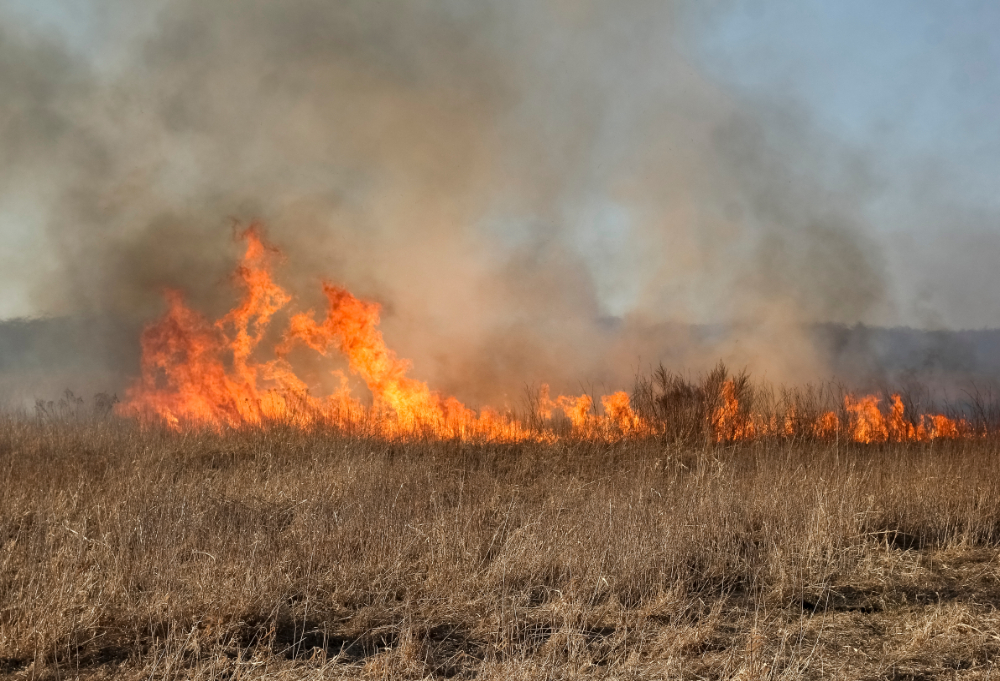
Summer is coming, and with it comes one of the most dangerous and overlooked threats to homes, families, and communities: fire. As temperatures climb and humidity drops, the conditions that fuel devastating blazes become almost ideal. Whether you live in a wildfire-prone region like Southern California or a suburban neighborhood with dry lawns and backyard grills, understanding seasonal fire hazards is the first step toward keeping your household safe.
Preparation is not optional. It is a responsibility that every homeowner and renter should take seriously before the hottest months arrive.
Why Summer Is the Deadliest Season for Fire
The science behind summer fire danger is straightforward. Heat dries out vegetation, turning grasses, shrubs, and trees into natural kindling. When combined with low humidity and strong winds, those dried-out plants can ignite within seconds and spread fire across miles in a matter of hours. Seasonal fire hazards peak during late spring and summer for this exact reason, and fire agencies across the country consistently report their busiest and most destructive periods during these months.
Beyond the natural landscape, human activity also increases fire risk in the summer. More people are grilling outdoors, setting off fireworks, camping, and using power tools in dry yards. Each of these activities introduces an ignition source into an environment that is already primed to burn. Electrical storms, which become more frequent in certain regions during summer, add yet another layer of seasonal fire hazards that residents need to account for.
It is also worth noting the contrast with winter fire safety concerns. In colder months, fires tend to originate indoors, from fireplaces, space heaters, and overloaded electrical outlets. Summer flips the script, pushing the danger outside and into the surrounding landscape. Knowing this seasonal shift helps homeowners adjust their safety strategies accordingly and stay one step ahead of the most common risks tied to each time of year.
Creating Defensible Space Around Your Home
One of the most effective summer firefighting tips ever developed by fire safety professionals is the concept of defensible space. This refers to the buffer zone you create between your home and the vegetation, trees, and other combustible materials that surround it. A well-maintained defensible space gives firefighters a fighting chance to protect your structure and slows the advance of an approaching wildfire.
Most fire agencies recommend maintaining at least 100 feet of clearance around your home, divided into two zones. The first zone, closest to the structure, should be kept lean and clean. This means removing dead plants, dry leaves, and any flammable debris from against the house, under decks, and around vents. Patio furniture, doormats, and wooden planters should also be considered potential fuel sources and positioned thoughtfully.
The second zone, extending further from the house, focuses on reducing fuel continuity. Trees should be trimmed so their branches do not touch one another, preventing fire from jumping from canopy to canopy. Shrubs should be spaced out, and tall grasses need to be mowed regularly throughout the dry season. This kind of landscape management is one of the most powerful seasonal fire hazards mitigation tools available to any homeowner, yet it is also one of the most commonly neglected.
Summer Firefighting Tips Every Household Should Know
Preparation goes beyond the yard. Inside the home and throughout your daily routines, there are dozens of practical summer firefighting tips that can dramatically reduce risk and improve response time if fire does break out near your property.
Start with your roof and gutters. Dry leaves and pine needles that accumulate in gutters and on rooftops are among the leading causes of ember ignition during wildfires. Embers can travel miles ahead of an active fire front, landing on your roof and smoldering until they find enough fuel to ignite. Cleaning gutters regularly during fire season is a simple but critically important task.
Next, pay attention to your home’s vents and openings. Fine mesh screening on attic and crawl space vents can prevent embers from entering the structure, where they can ignite insulation and framing materials unseen. Many fire-hardening programs offered by local agencies will provide guidance on the specific mesh size and materials that offer the best protection in your area.
For those who grill outdoors, always keep a water source or fire extinguisher nearby. Never leave a grill unattended, and make sure coals are fully extinguished before leaving the area. Position grills well away from wood fences, dry vegetation, and overhanging branches. These small habits reflect an awareness of seasonal fire hazards that can prevent a cookout from turning into a catastrophe.
Fireworks deserve a section of their own. Even in areas where personal fireworks are legal, their use during dry summer months dramatically raises the risk of igniting surrounding vegetation. Many communities have banned them entirely for this reason. If your city or county prohibits fireworks, that rule exists specifically because local officials recognize how dangerous seasonal fire hazards become when ignition sources are added to the mix.
Comparing Winter Fire Safety to Summer Preparedness
The comparison between winter fire safety and summer fire preparedness reveals how differently fire behaves depending on the season. In winter, the primary concerns revolve around heating equipment. Space heaters placed too close to curtains or bedding, fireplaces used without proper cleaning, and candles left unattended are among the top causes of residential fires during cold months.
Winter fire safety also emphasizes carbon monoxide awareness, since generators and heating appliances used improperly can produce deadly gas in enclosed spaces. Keeping smoke detectors and carbon monoxide detectors charged and functional is a year-round job, but it carries specific urgency in the winter when people seal up their homes against the cold.
Summer preparedness, by contrast, shifts attention outward. The home itself may be less likely to catch fire from an interior source, but it becomes vulnerable to the surrounding environment in ways that winter does not produce. Understanding this contrast is not just academically interesting. It has real implications for how you allocate your time, money, and attention throughout the year. Smart homeowners treat fire safety as a rotating priority, addressing winter fire safety concerns in the fall and summer firefighting tips in the spring.
Building and Practicing a Family Evacuation Plan
No discussion of seasonal fire hazards is complete without addressing what happens when prevention fails. Even the best-prepared homeowner can face a situation where fire moves faster than anticipated, and having a clear, practiced evacuation plan can mean the difference between tragedy and survival.
Your evacuation plan should identify at least two exit routes from your neighborhood, since roads can become blocked during fast-moving fires. Designate a meeting point outside the immediate area where your family will gather if you are separated. Make sure every household member, including children and elderly relatives, understands the plan and can execute it without guidance.
Keep a go-bag ready throughout fire season. This bag should contain important documents, medications, phone chargers, water, snacks, and a change of clothes. Place it somewhere easily accessible so you can grab it in under a minute if a sudden evacuation order is issued. Many fire agencies also recommend registering for emergency alerts through your county’s notification system, ensuring you receive warnings as early as possible.
Practice the plan at least once before fire season peaks. Walk through the exits, drive the alternate routes, and confirm that everyone knows where to go. This kind of rehearsal removes hesitation in a real emergency and helps families respond calmly rather than reactively.
Conclusion
Seasonal fire hazards demand year-round awareness and seasonal action. From managing your landscape and maintaining your home’s exterior to building a solid evacuation plan and contrasting summer firefighting tips with winter fire safety strategies, preparation is the most powerful tool available. Fire season is not a distant threat. For millions of Americans, it arrives every year with predictable intensity. Start your preparations now, before the heat takes hold, and give your family the best possible chance of coming through the summer safely.
Need Life Safety Products Near You?
There are various forms of personal protection. We offer fire safety and fire prevention equipment including fire extinguishers, and we service them, too. Business owners throughout Southwest Kansas should know what types of personal protection or fire safety equipment is necessary to suit the needs of their business. Rather than struggling with purchasing decisions, discuss with our consultants from C.F. Fire & Life Safety and let us guide you through the logistics. Based in Liberal, KS, C.F. Fire & Life Safety, is your destination for personal protection, fire safety, fire prevention, and fire extinguisher services throughout Southwest Kansas. Contact us today to learn more about what we can do for you!